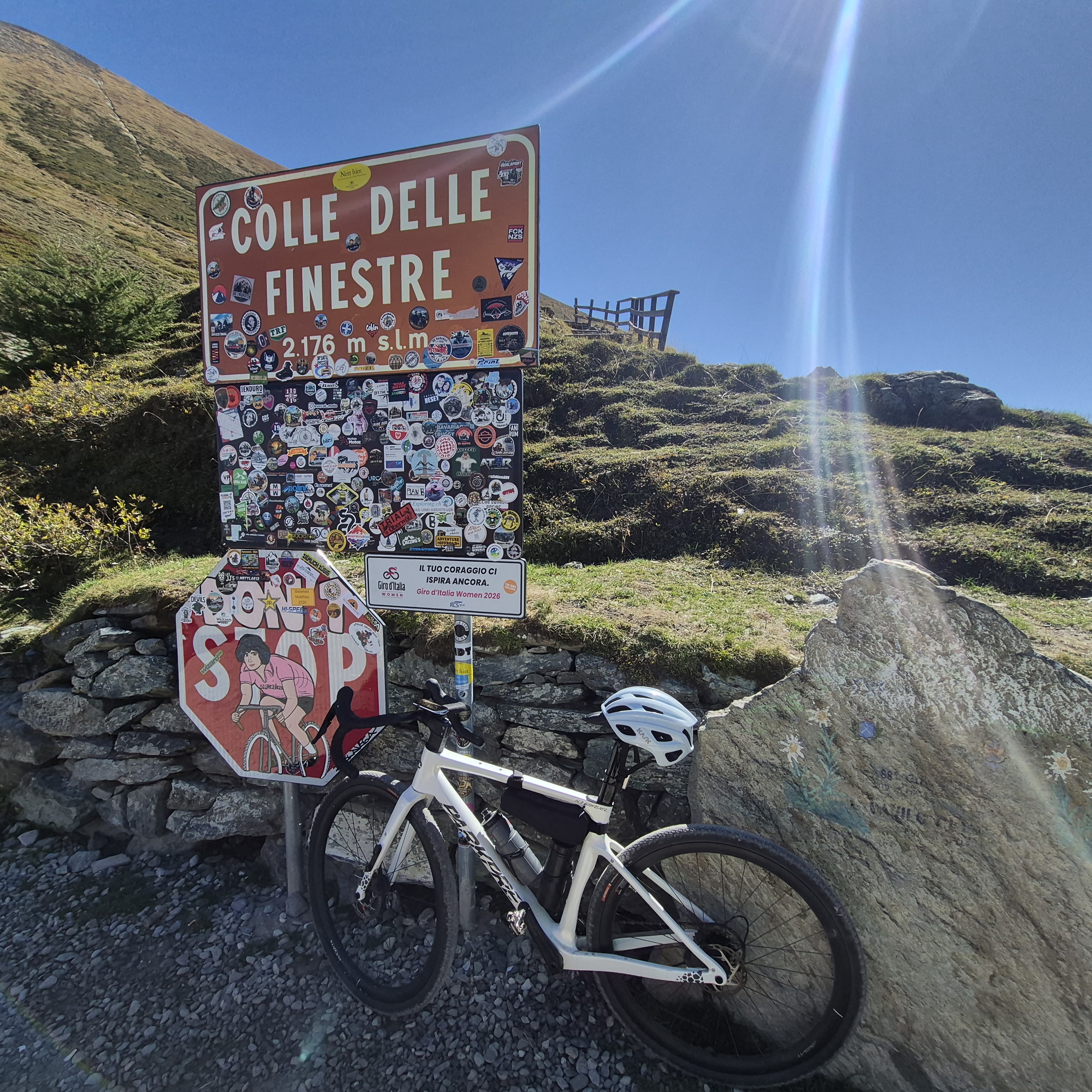
Colle delle Finestre da Meana di Susa
| Lunghezza | Altezza | Pendenza Media % | Scalata il |
| 18.62 | 1694 | 9.1 |
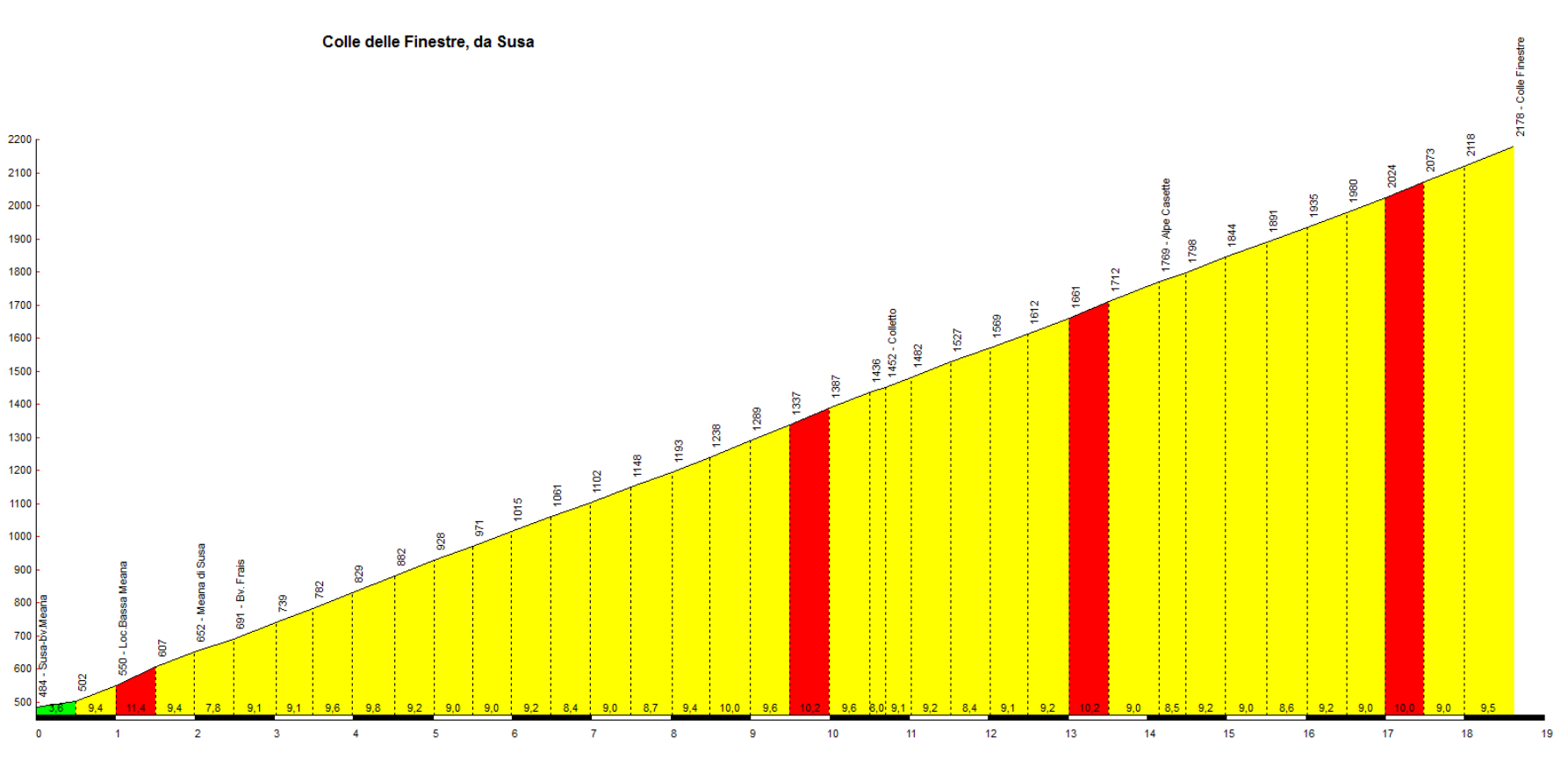
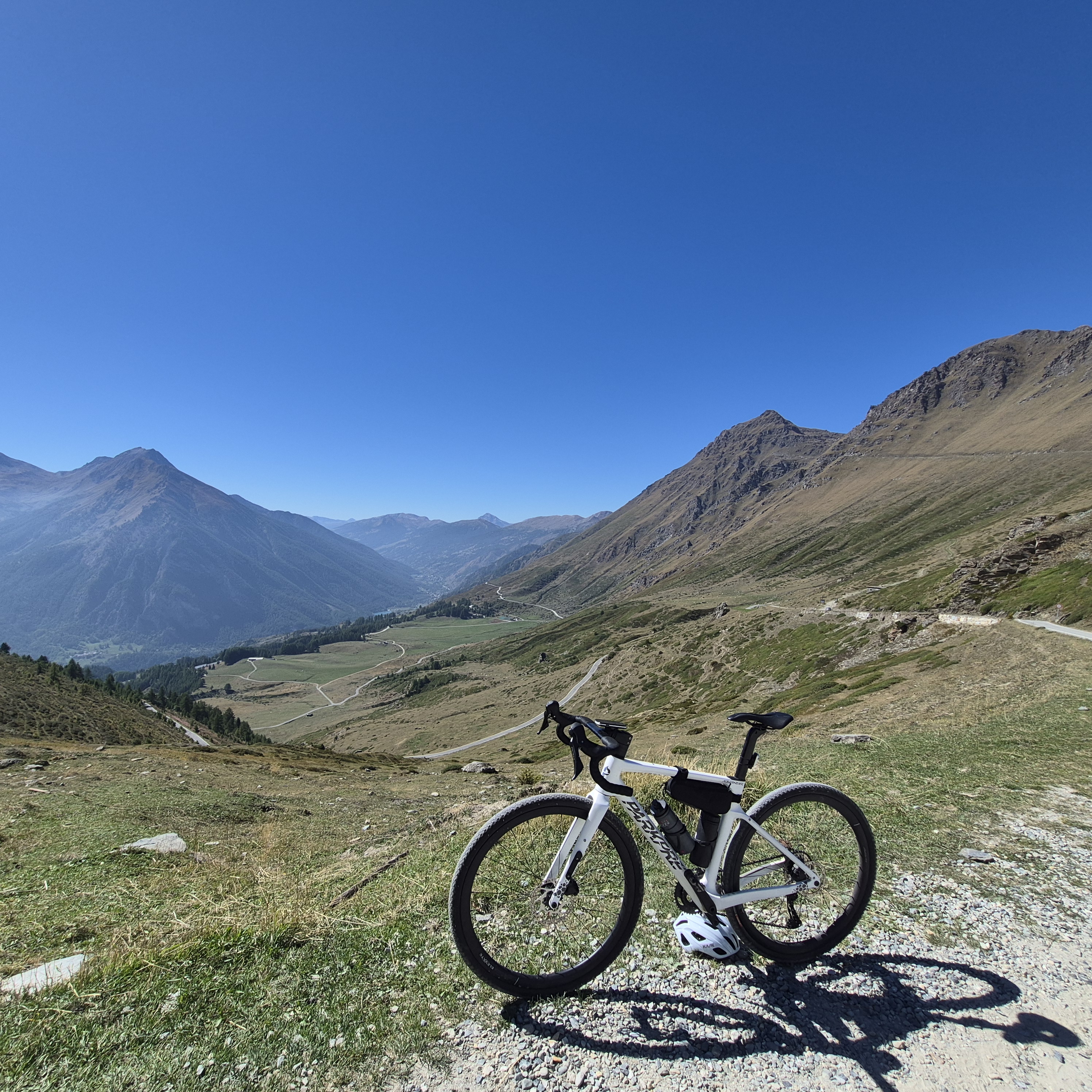
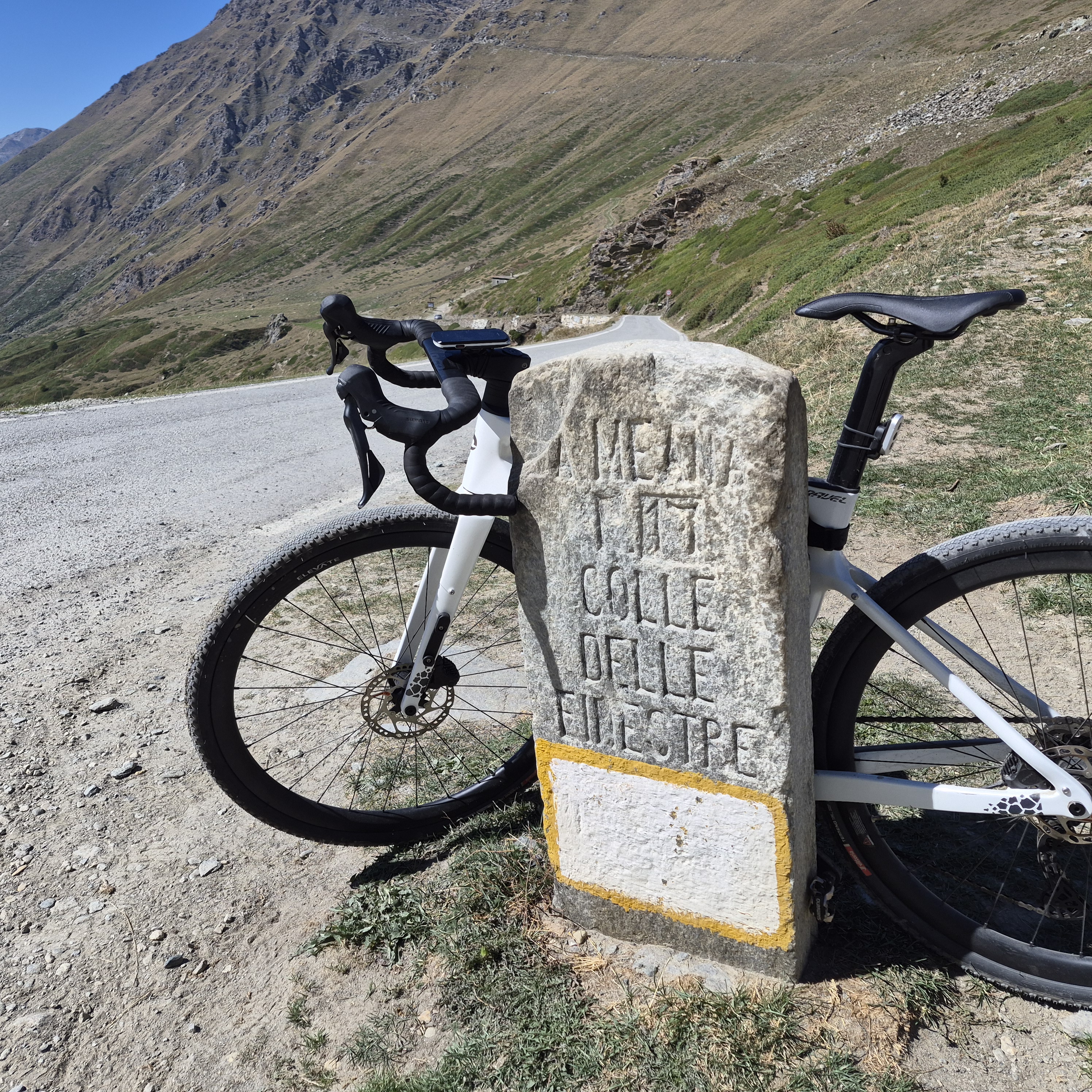
Il Colle delle Finestre è considerato una salita leggendaria del ciclismo per la combinazione estrema di numeri tecnici severi, la spettacolare sequenza di tornanti e l'iconico tratto finale in sterrato. La pendenza media è spaventosamente costante intorno al 9,1% - 9,2%, con punte massime che toccano il 14%. Per guadagnarsi la vetta, bisogna superare ben 33 tornanti che si arrampicano fra I boschi e le quote alpine. Negli ultimi 7,8 - 8 chilometri la strada perde l'asfalto e diventa una striscia di terra, sassi e ghiaia. Riduce drasticamente il grip, aumenta il rischio di forature e rende la gestione della bicicletta un esercizio di puro equilibrio e coraggio. A differenza di altre salite "a scatti", il Finestre non dà quasi mai respiro. La pendenza resta durissima dall'inizio alla fine, logorando lentamente le gambe dei ciclisti prima ancora di arrivare in alta quota.
Introdotta nel Giro d’Italia nel 2005, quando il primo a transitare in vetta fu Danilo Di Luca, è entrato nel mito grazie a grandi imprese nella storia del ciclismo moderno. Tra queste spiccano la difesa della maglia rosa di Paolo Savoldelli nel 2005,la spettacolare e leggendaria fuga solitaria di Chris Froome nel 2018, che ribaltò la corsa verso Bardonecchia, e l’impresa di Simon Yates quando, proprio su questo colle, ha rivoluzionato la classifica generale ed ha conquistato la maglia rosa.
La strada fu costruita alla fine dell'Ottocento (nel 1890) come via militare di collegamento strategico tra la Val di Susa e la Val Chisone, conservando ancora oggi un fascino aspro e solitario.
Chris Froome, Giro d’Italia 2018
Simon Yates, Giro d’Italia 2025


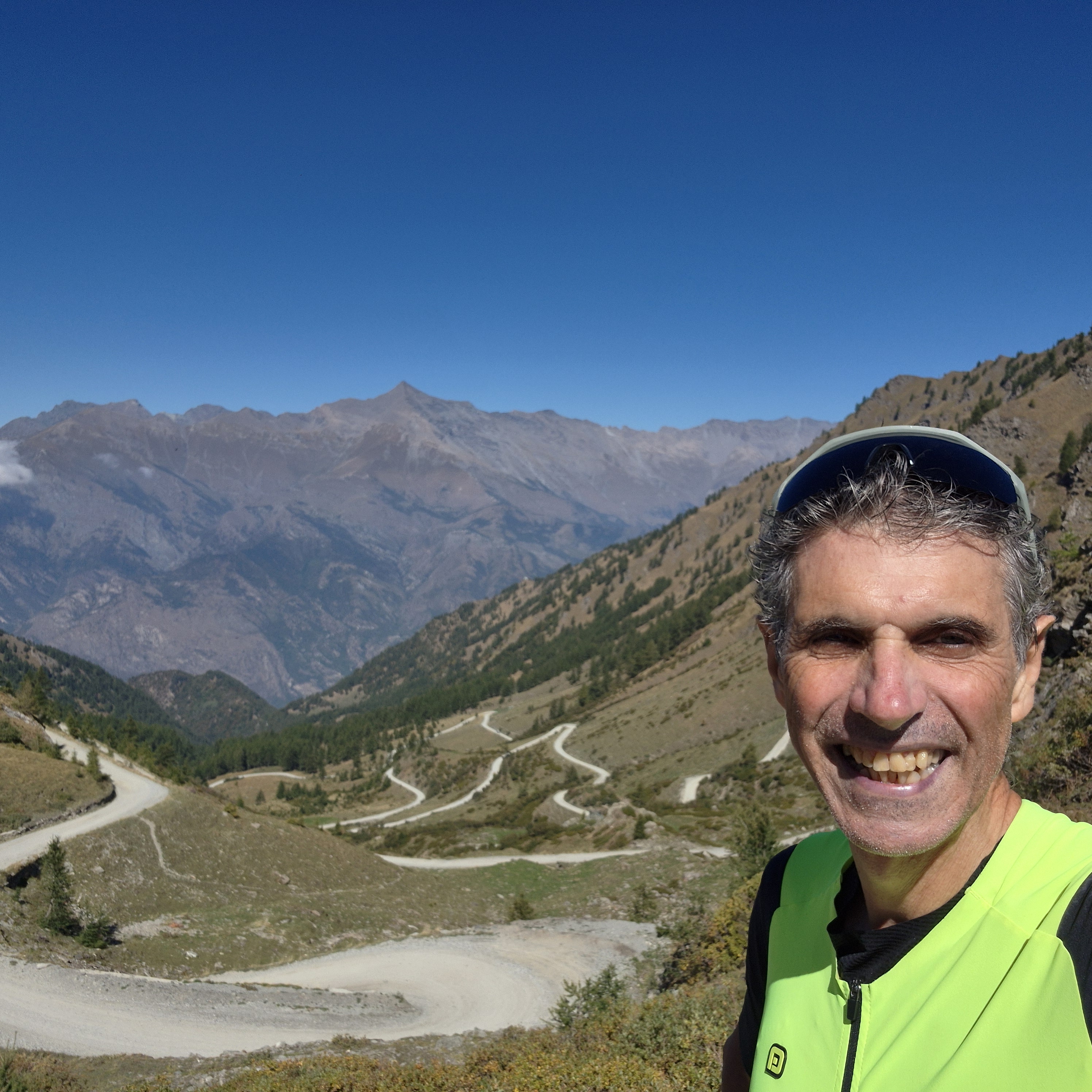
Colle del Nivolet da Locana
| Lunghezza | Altezza | Pendenza Media % | Scalata il |
| 40.5 | 1999 | 4.9 |
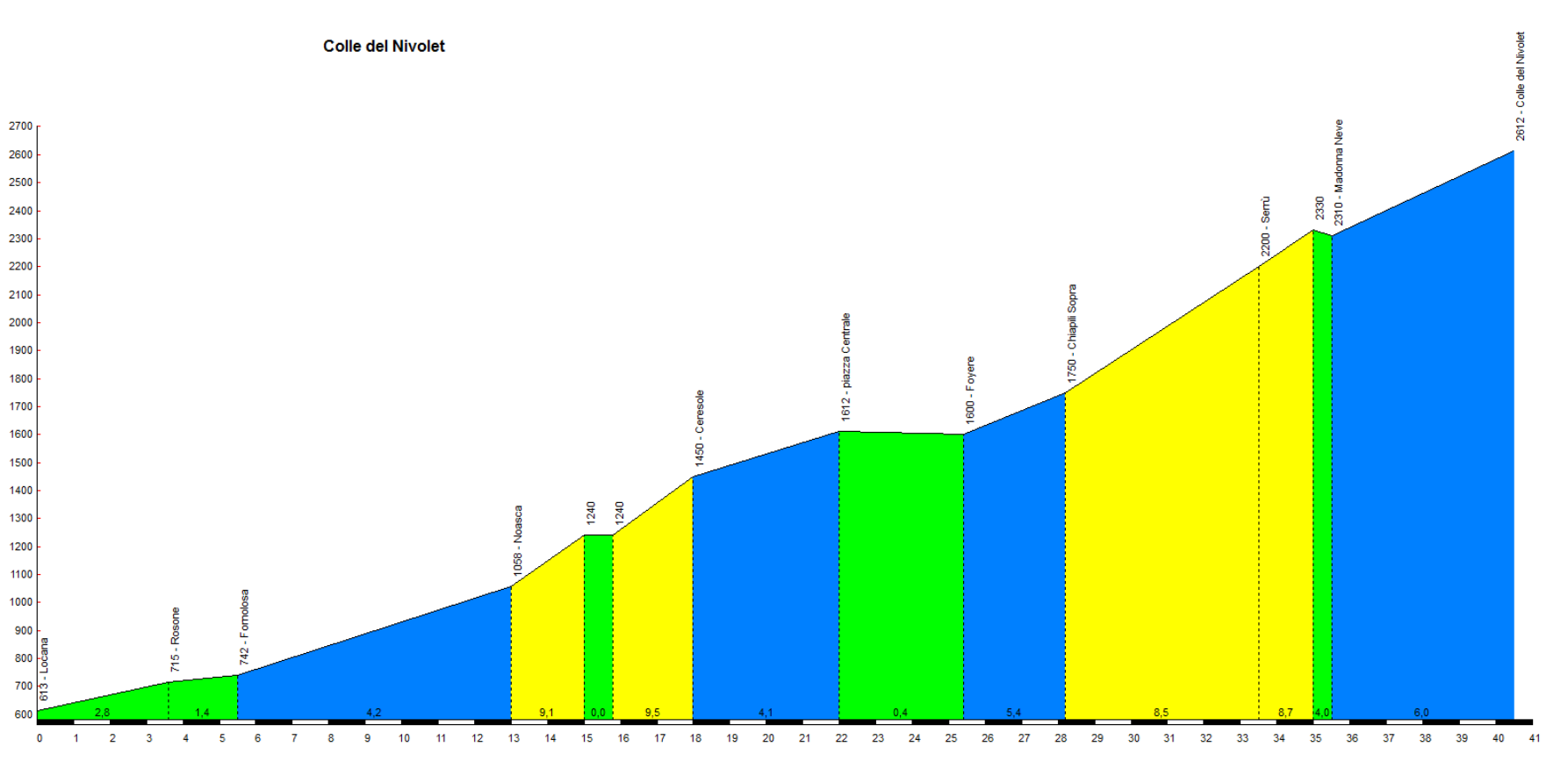
Monte Grappa da Semonzo
| Lunghezza | Altezza | Pendenza Media % | Scalata il |
| 18.51 | 1530 | 8.3 |
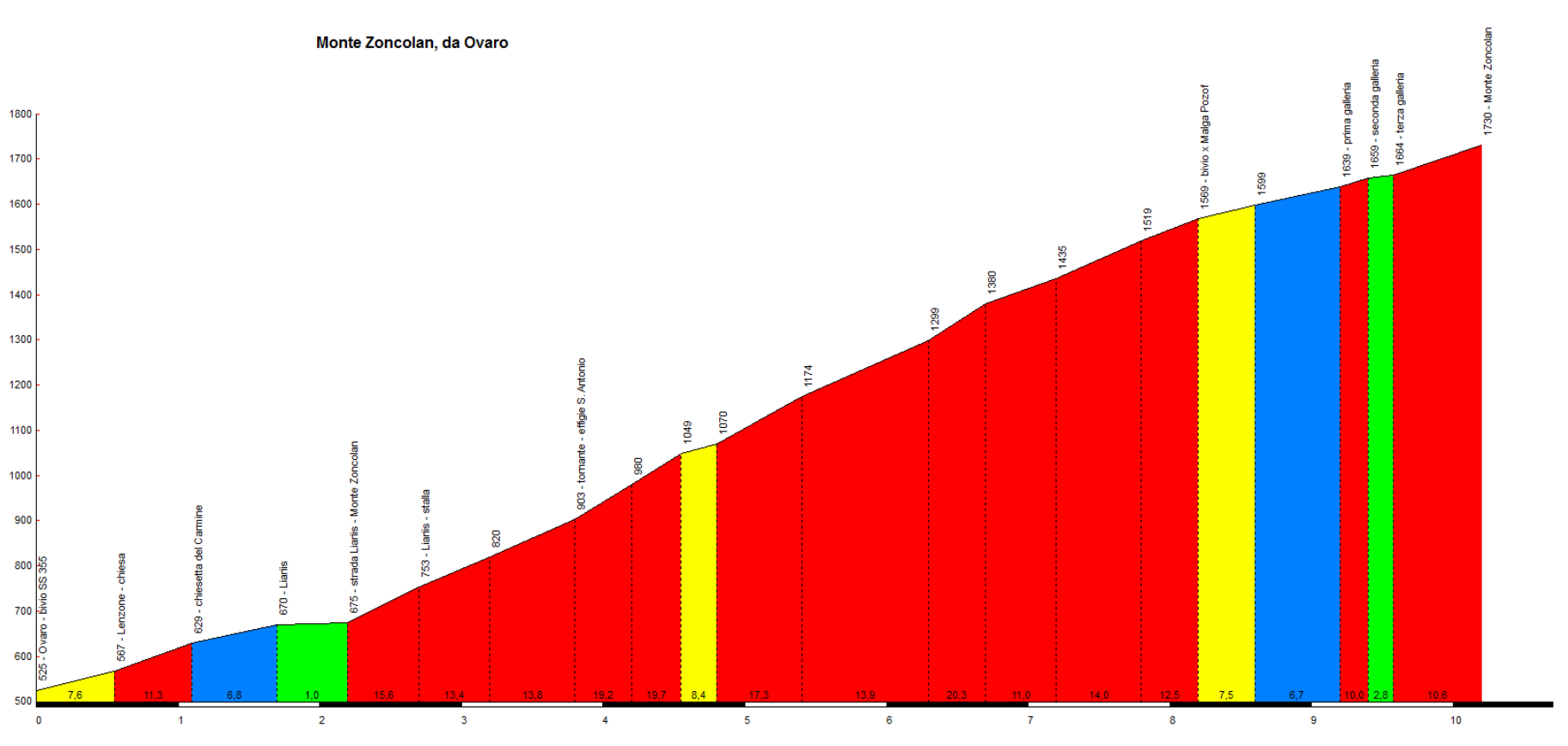
Monte Zoncolan da Ovaro
| Lunghezza | Altezza | Pendenza Media % | Scalata il |
| 10.5 | 1210 | 11.5 |
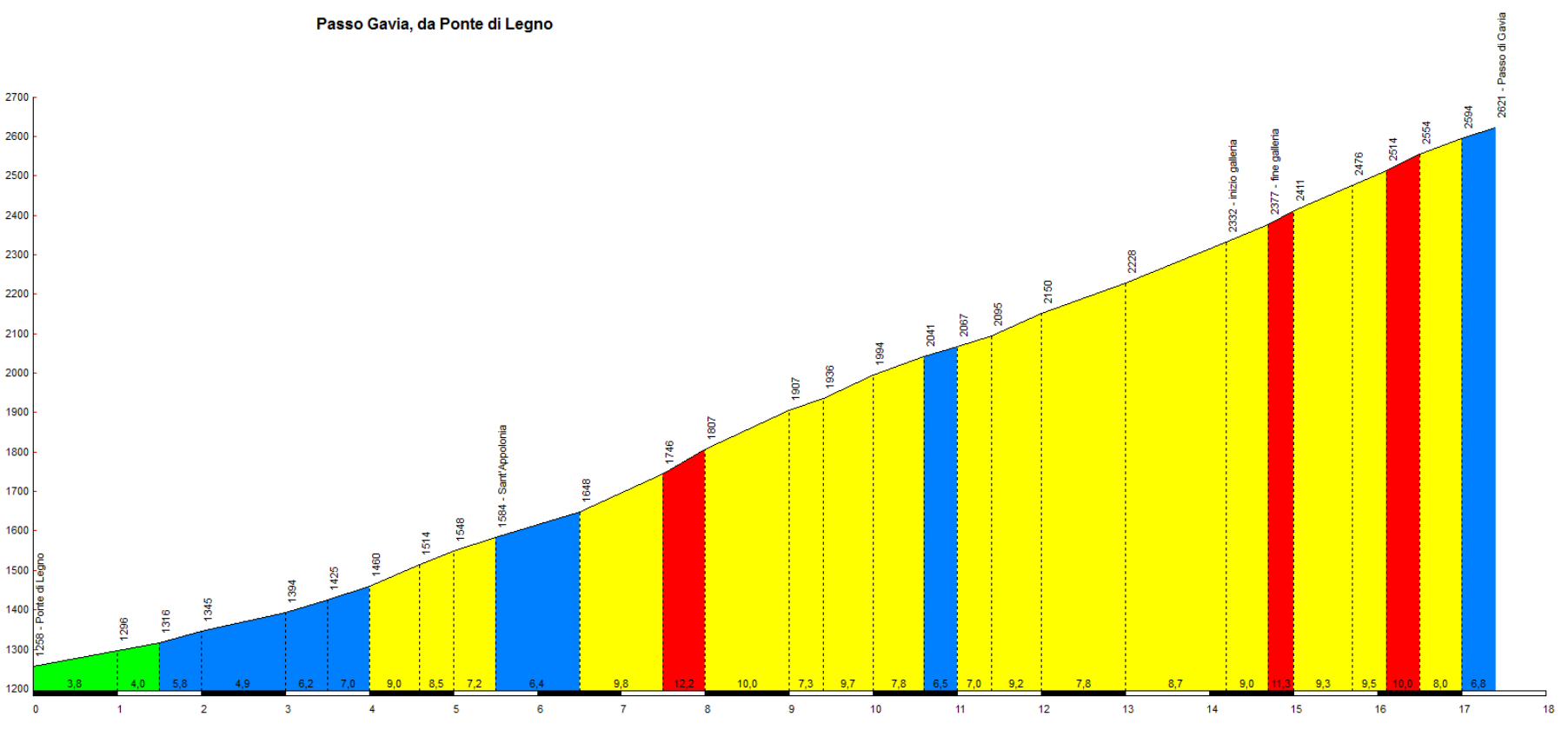
Passo di Gavia da Ponte di Legno
| Lunghezza | Altezza | Pendenza Media % | Scalata il |
| 17.3 | 1363 | 7.9 |
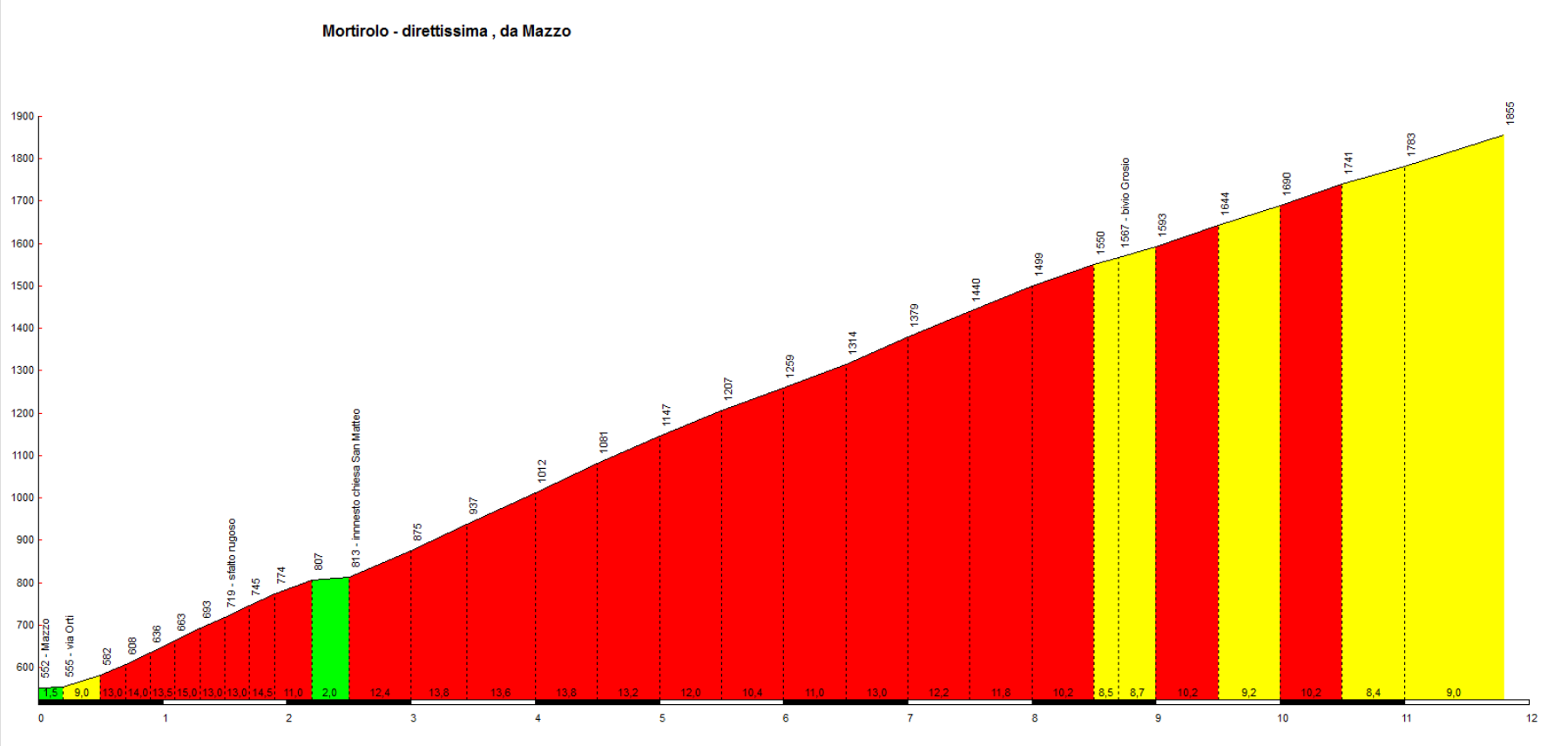
Passo del Mortirolo da Mazzo
| Lunghezza | Altezza | Pendenza Media % | Scalata il |
| 11.8 | 1303 | 11 |
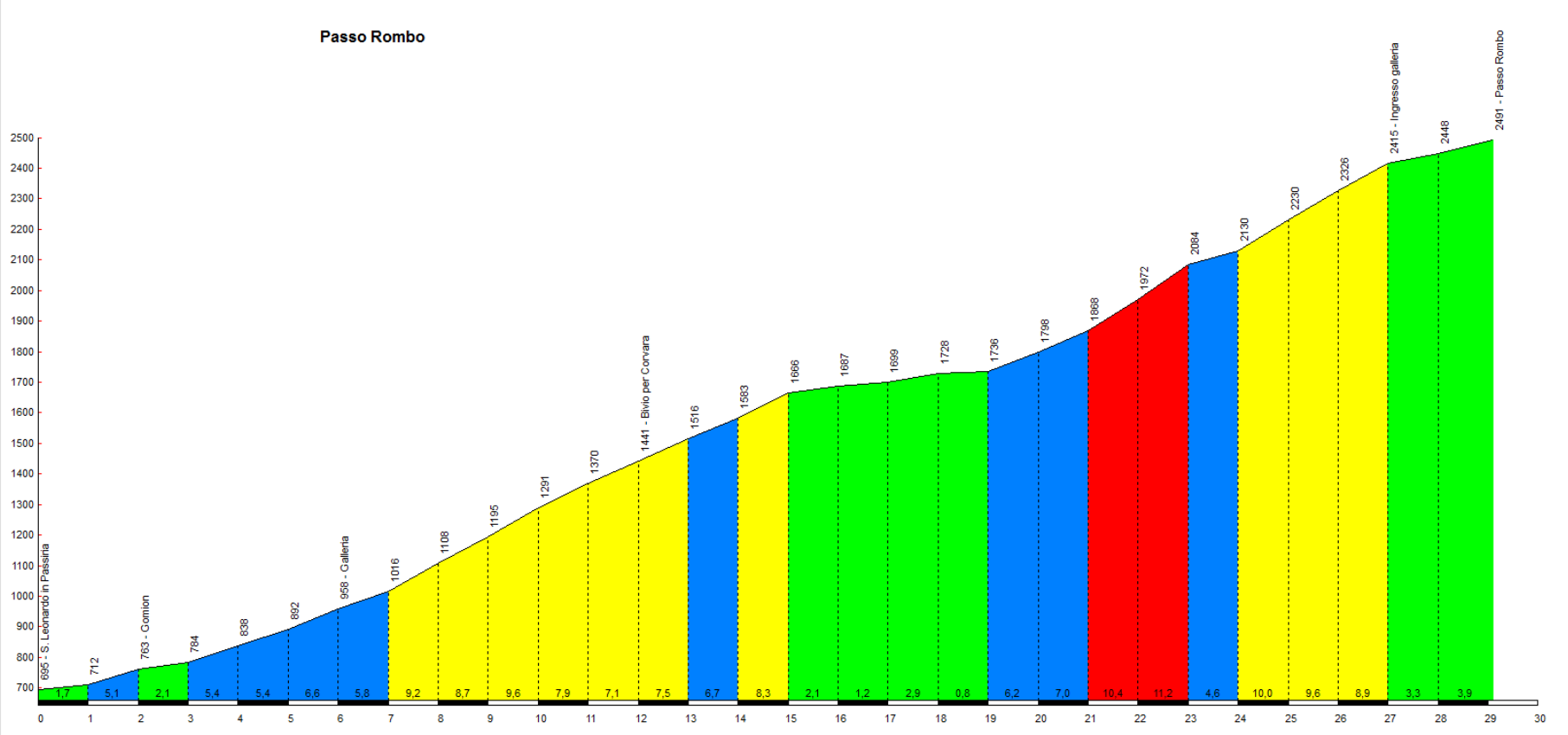
Timmelsjoch (Passo del Rombo) da San Leonardo in Passiria
| Lunghezza | Altezza | Pendenza Media % | Scalata il |
| 29.1 | 1796 | 6.2 |
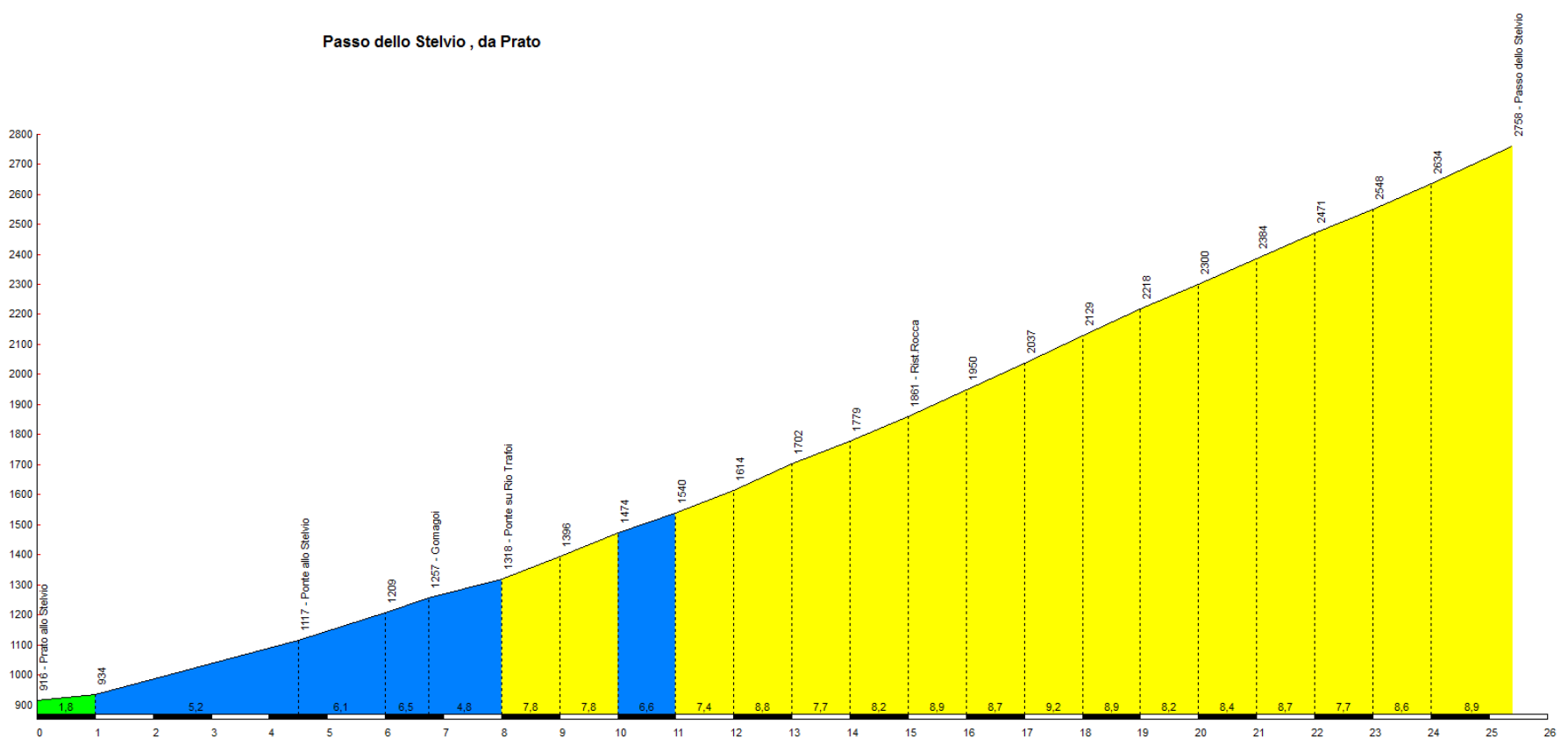
Passo dello Stelvio da Prato allo Stelvio
| Lunghezza | Altezza | Pendenza Media % | Scalata il |
| 24.3 | 1808 | 7.4 |
Passo di Giau da Selva di Cadore
| Lunghezza | Altezza | Pendenza Media % | Scalata il |
| 10.12 | 922 | 9.1 | 31 July 2026 |
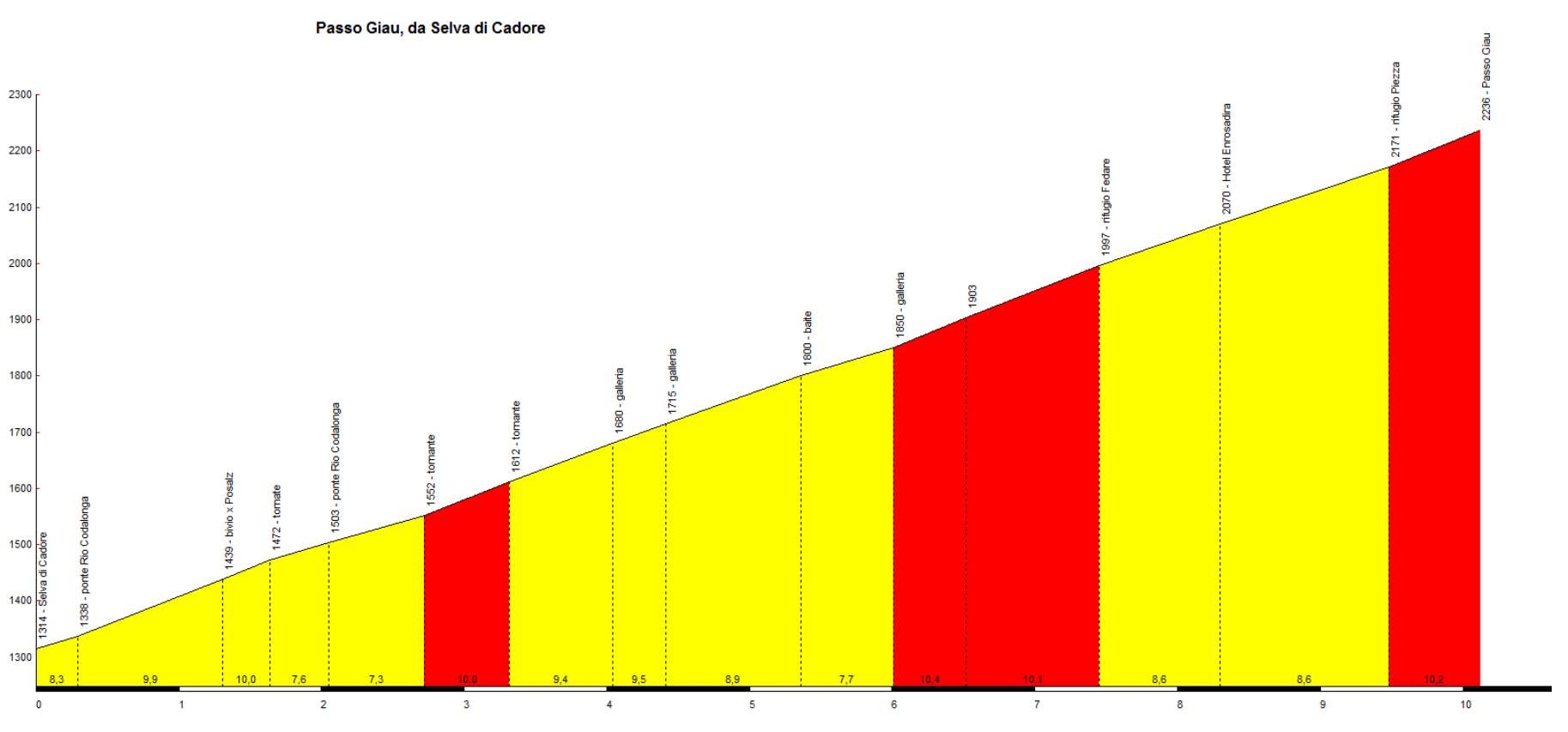
The Giau Pass is a climb characterized by steep, steady gradients, a total absence of respite, and spectacular Dolomite scenery that has made for epic stages in modern cycling.
From the Selva di Cadore side, the ascent spans approximately 10 kilometers with an average gradient of 9.1% and peaks reaching 16%.
The road offers almost no moments of recovery or downhill sections to rest the legs. Cyclists tackle 29 consistent yet extremely steep switchbacks that rapidly gain altitude
The pass has frequently made history in the Corsa Rosa (Giro d’Italia), often serving as the Cima Coppi—the race’s highest point.
The 2021 stage remains legendary; raced in rain and extreme cold, the climb’s grueling nature highlighted the talents of great climbers like Egan Bernal (videos here and here).
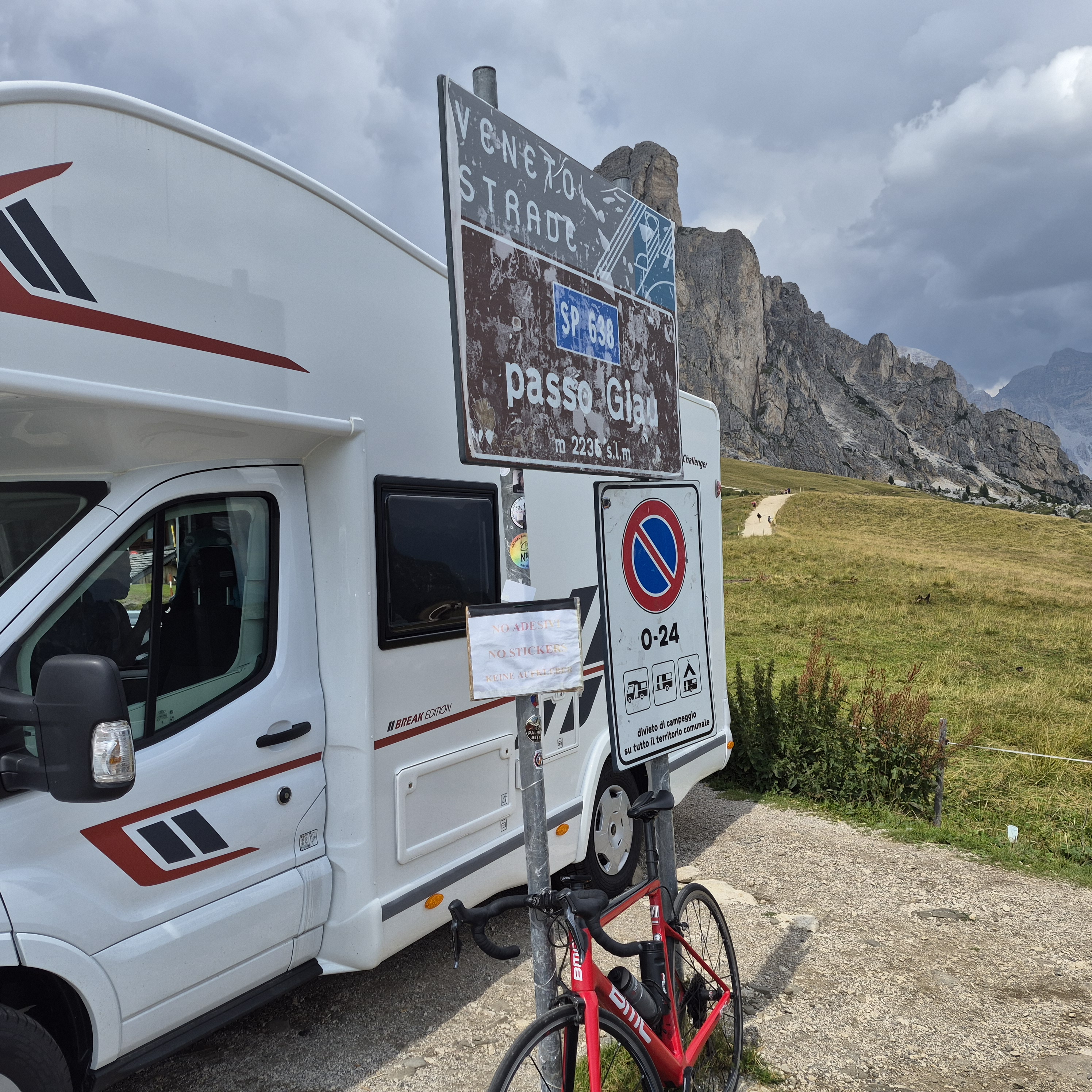
The summit is reached at an altitude of 2,236 meters, along a road set between sky and rock.
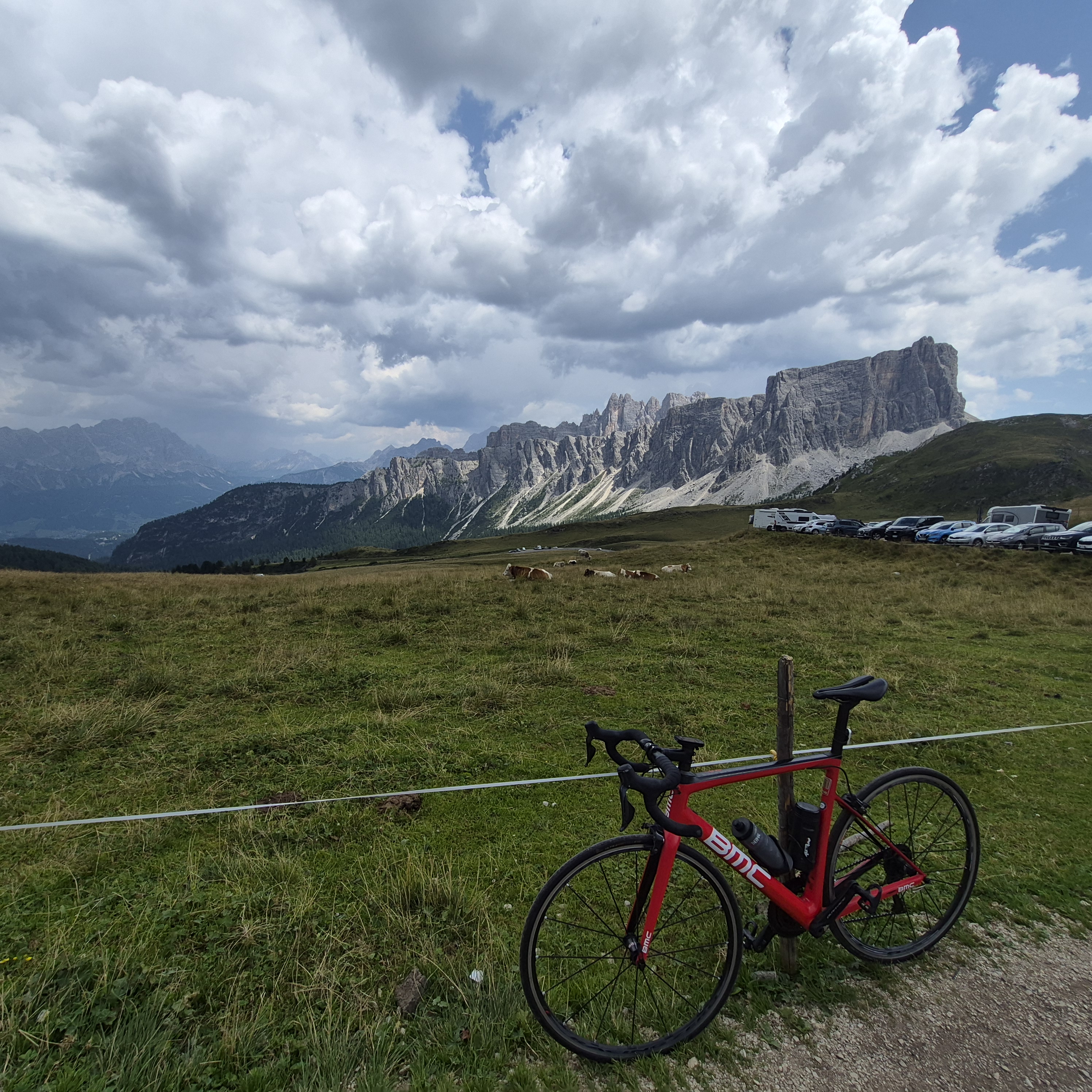
From the top, the view sweeps across iconic Dolomite peaks such as the Marmolada, the Tofane, and Mount Pelmo.

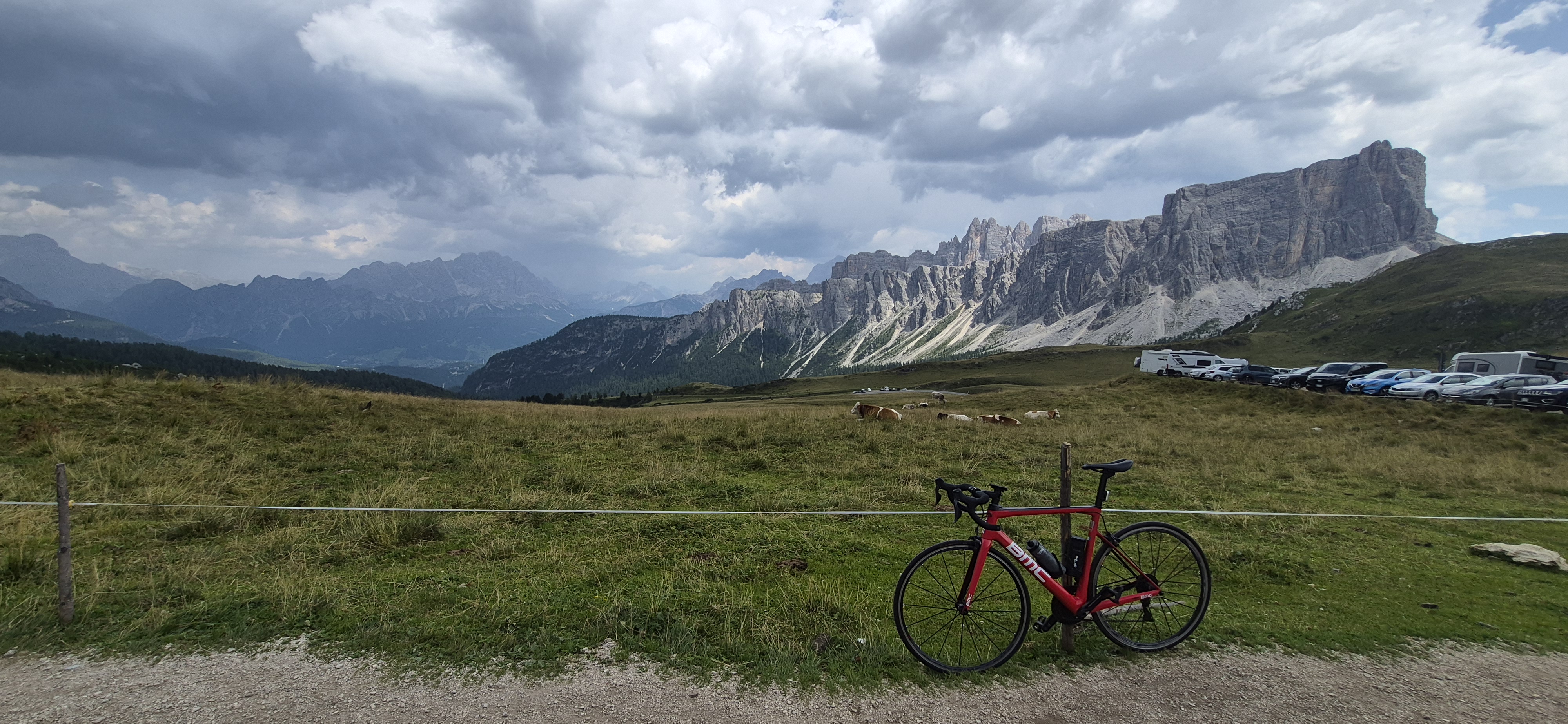
Passo Sella da Canazei
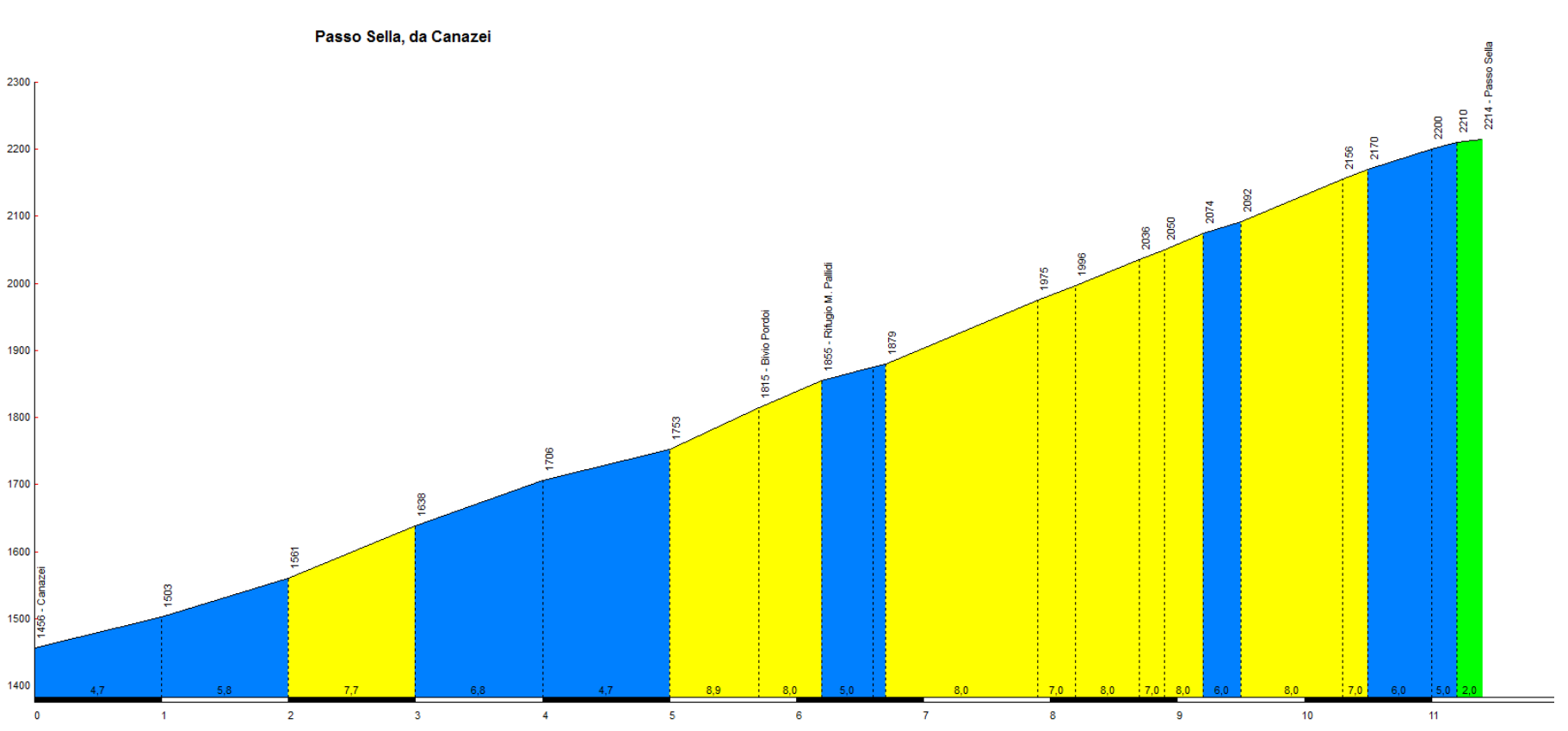
| Lunghezza | Altezza | Pendenza Media % | Scalata il |
| 11.4 | 758 | 6.6 | 5 August 2026 |
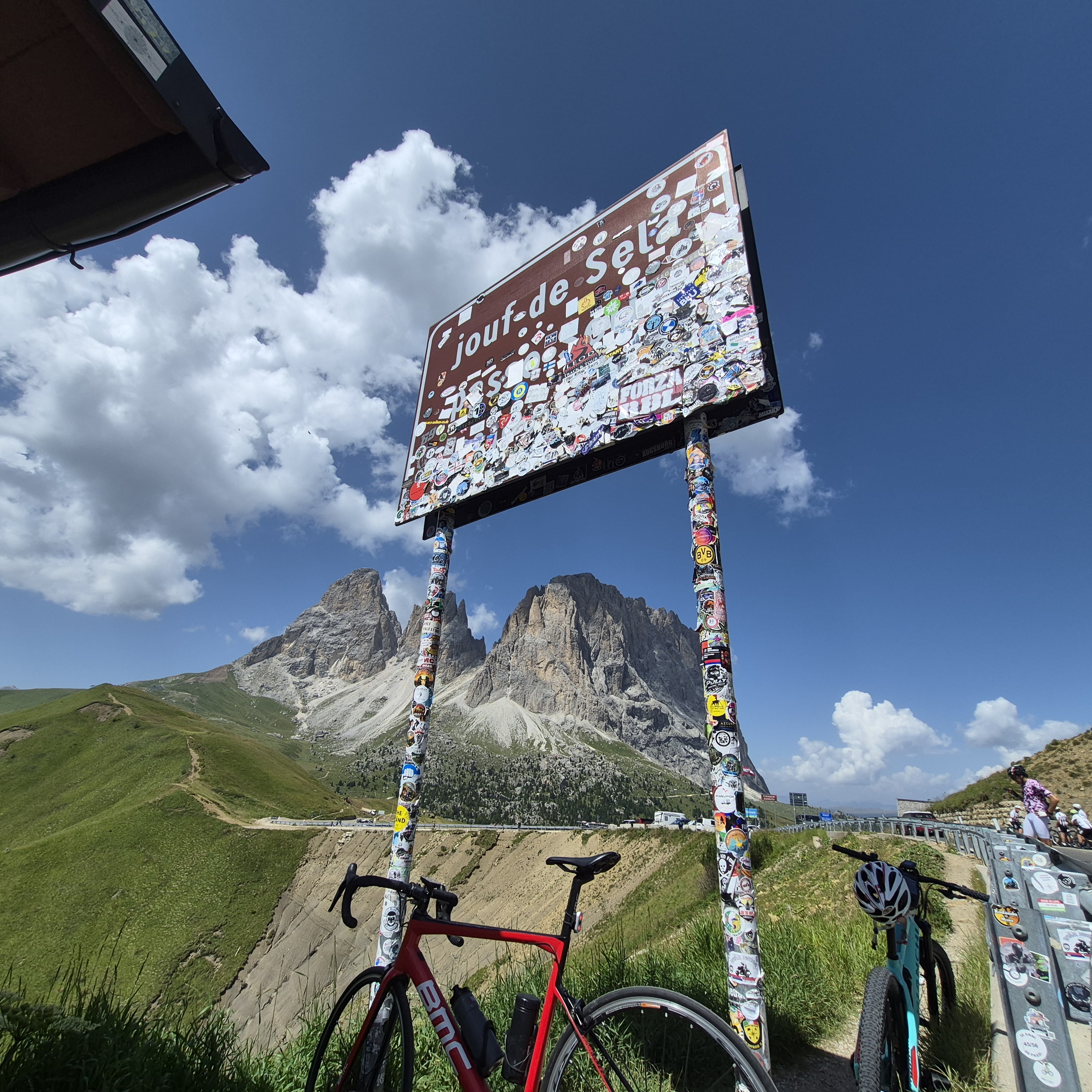
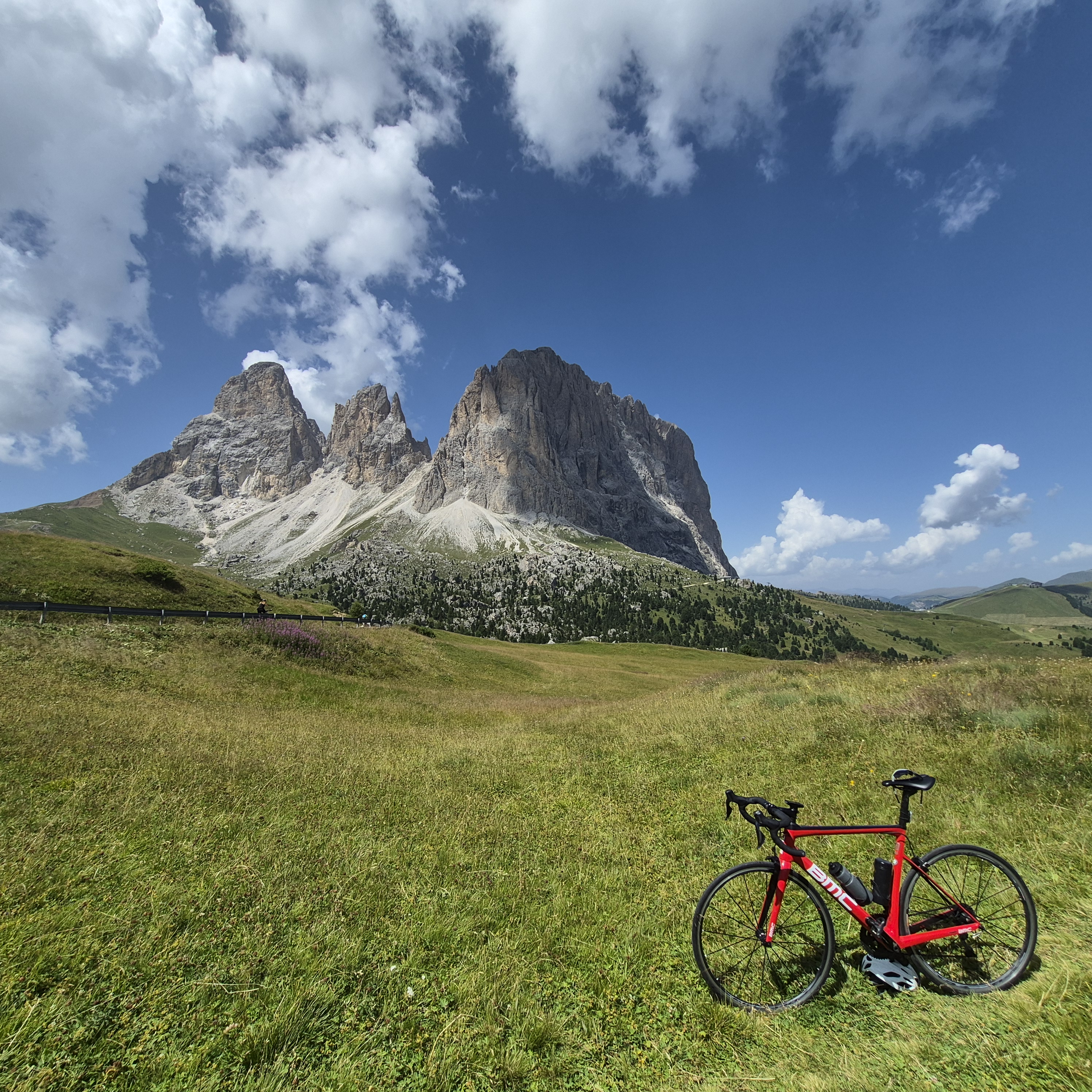
Passo Sella combines the epic history of the Giro d’Italia with one of the most spectacular landscapes in the Dolomites.
First climbed in 1940 and designated as the Cima Coppi (the race’s highest peak) in four editions—1969, 1976, 1998, and 2024—it has witnessed the passage and battles of the greatest champions of all time, from Fausto Coppi and Gino Bartali to Marco Pantani’s solo effort in 1998.
In 2016, it was named the Montagna Pantani of the Giro d’Italia, commemorating that feat on June 3, 1998, when—while in a breakaway with Giuseppe Guerini—Pantani crested the Passo Sella (then the Cima Coppi) to reach the finish line in Selva di Val Gardena and claim the Maglia Rosa (Pink Jersey).
It is part of the famous “Four Passes” circuit (Sella, Pordoi, Gardena, and Campolongo).
It lies at the heart of the Sellaronda Bike Day, an event where Dolomite roads are closed to cars to welcome thousands of cyclists.
The climb covers approximately 12 km with an elevation gain of 800 meters. The average gradient is 7%, with steep sections reaching 13% and 23 hairpin bends to navigate along the ascent.


Passo Valparola da Cortina d’Ampezzo
| Lunghezza | Altezza | Pendenza Media % | Scalata il |
| 17.9 | 987 | 5.5 | 31 July 2026 |
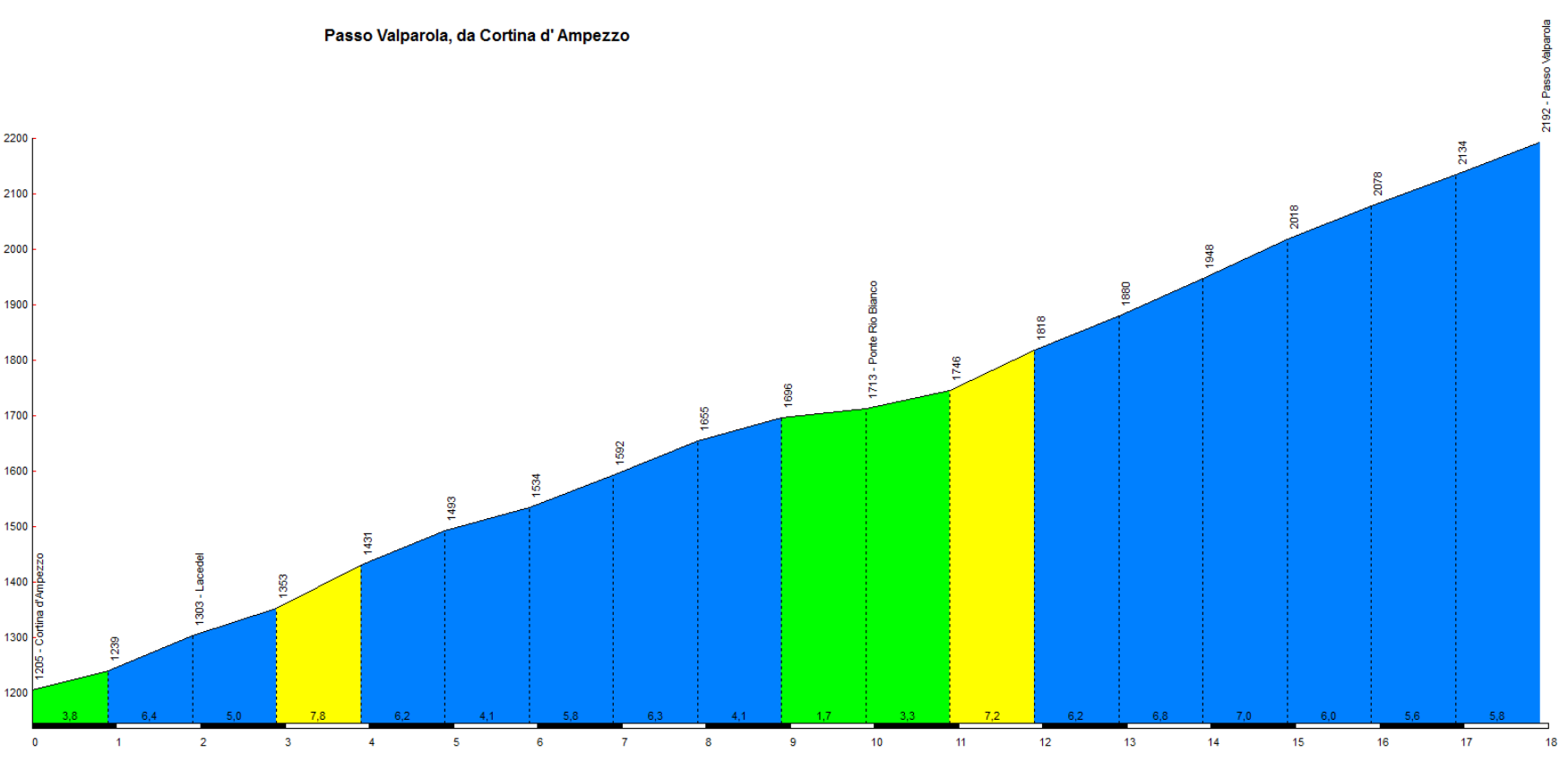
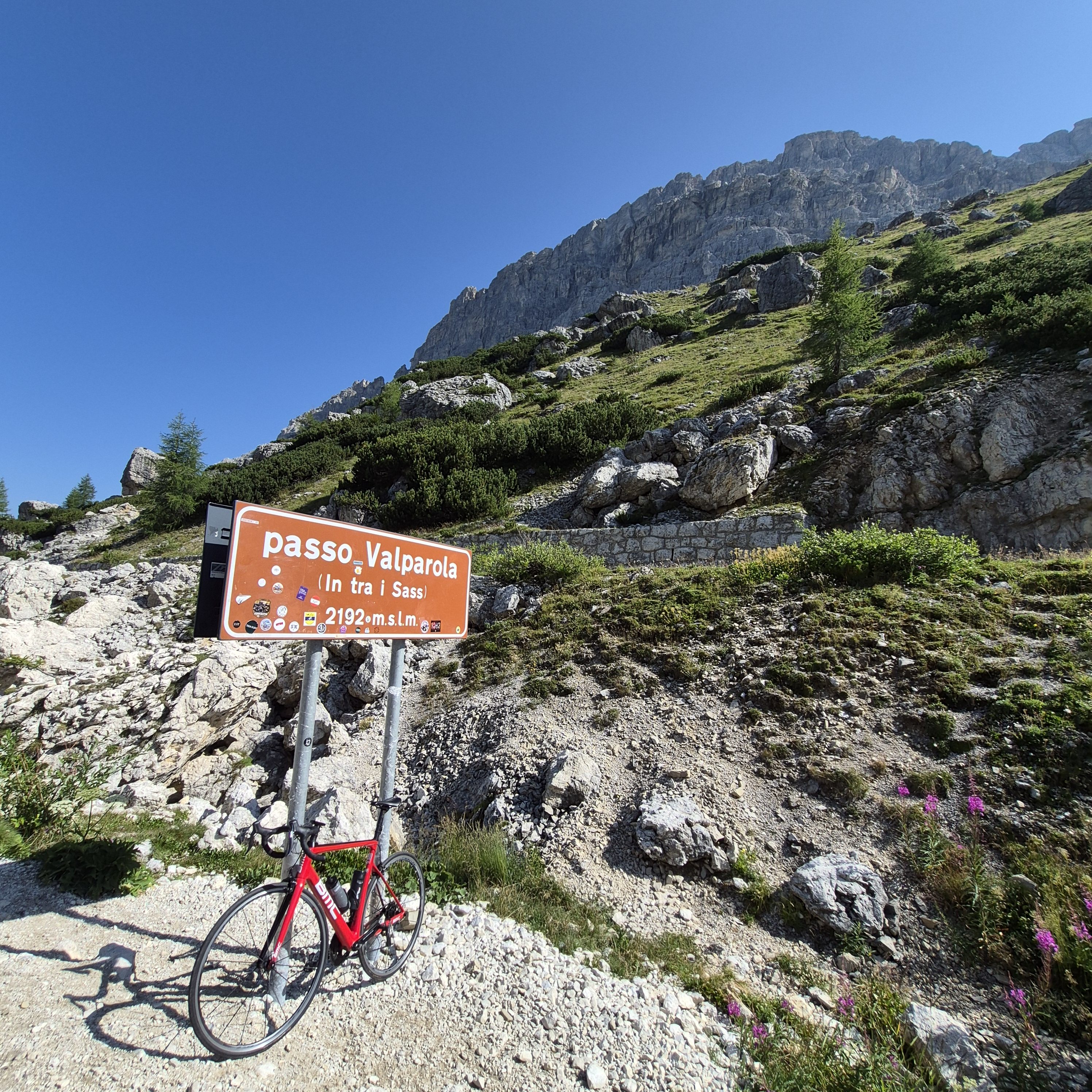
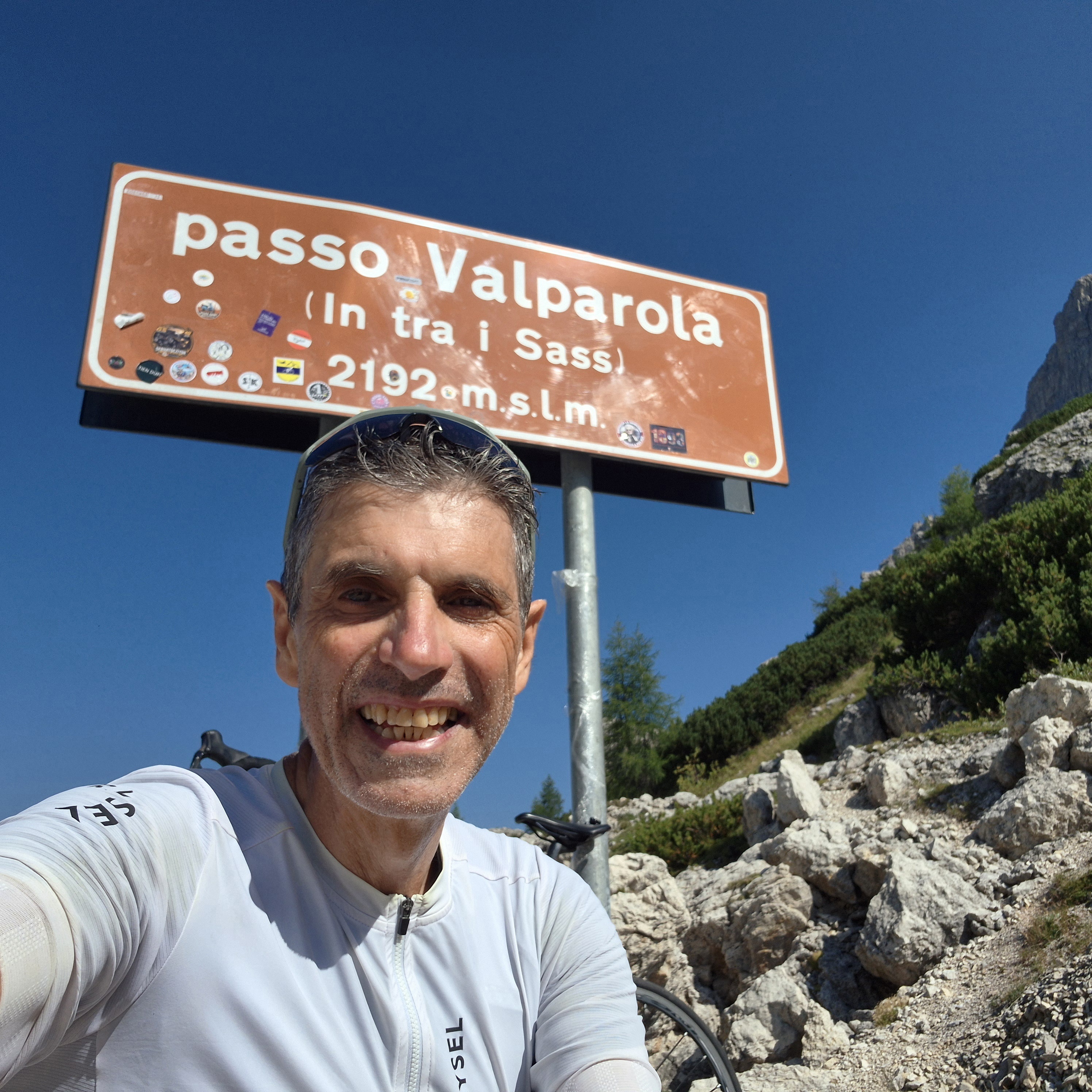
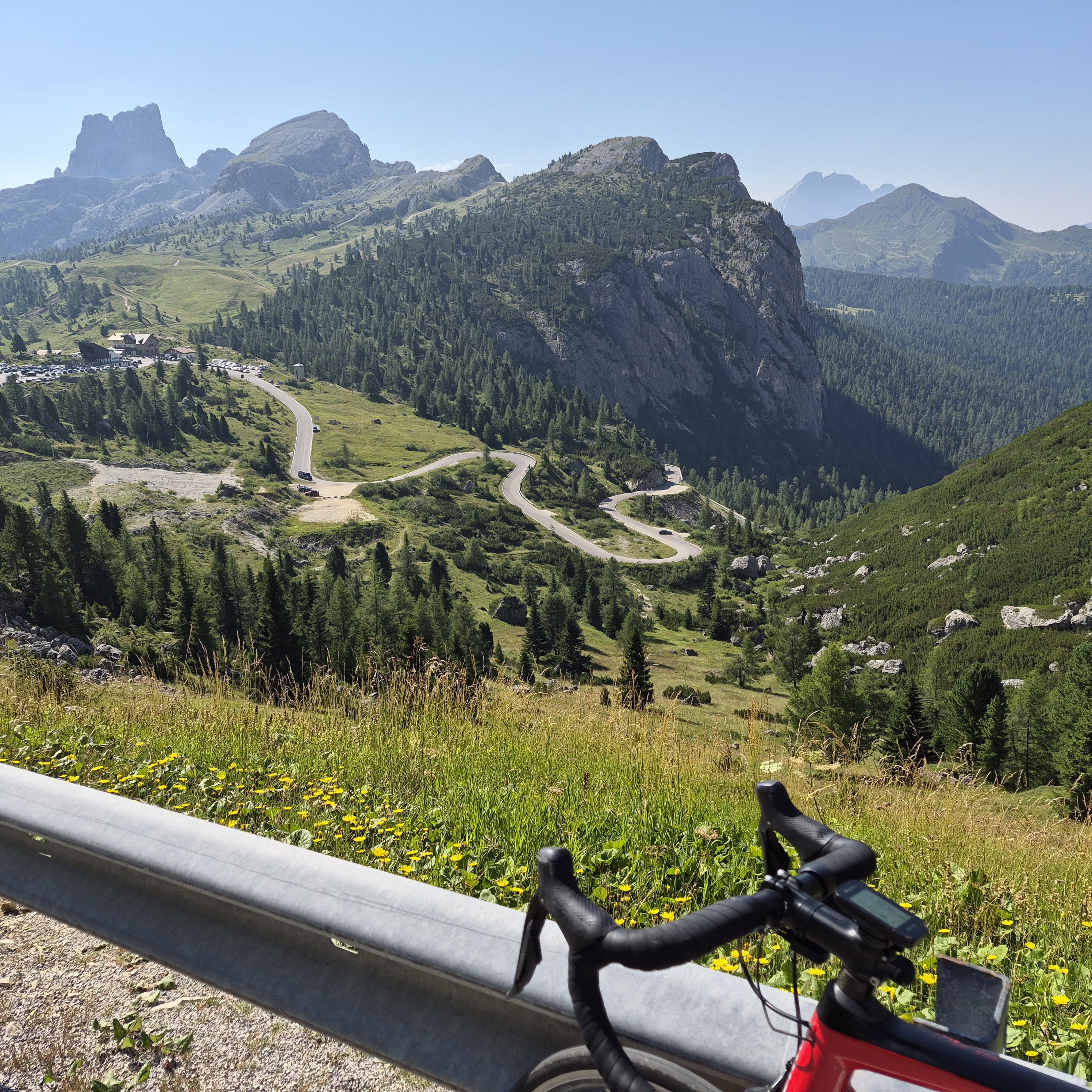
Valparola Pass combines the ruggedness of the great Dolomite peaks with a unique landscape and deep ties to both the Giro d’Italia and the Maratona dles Dolomites.
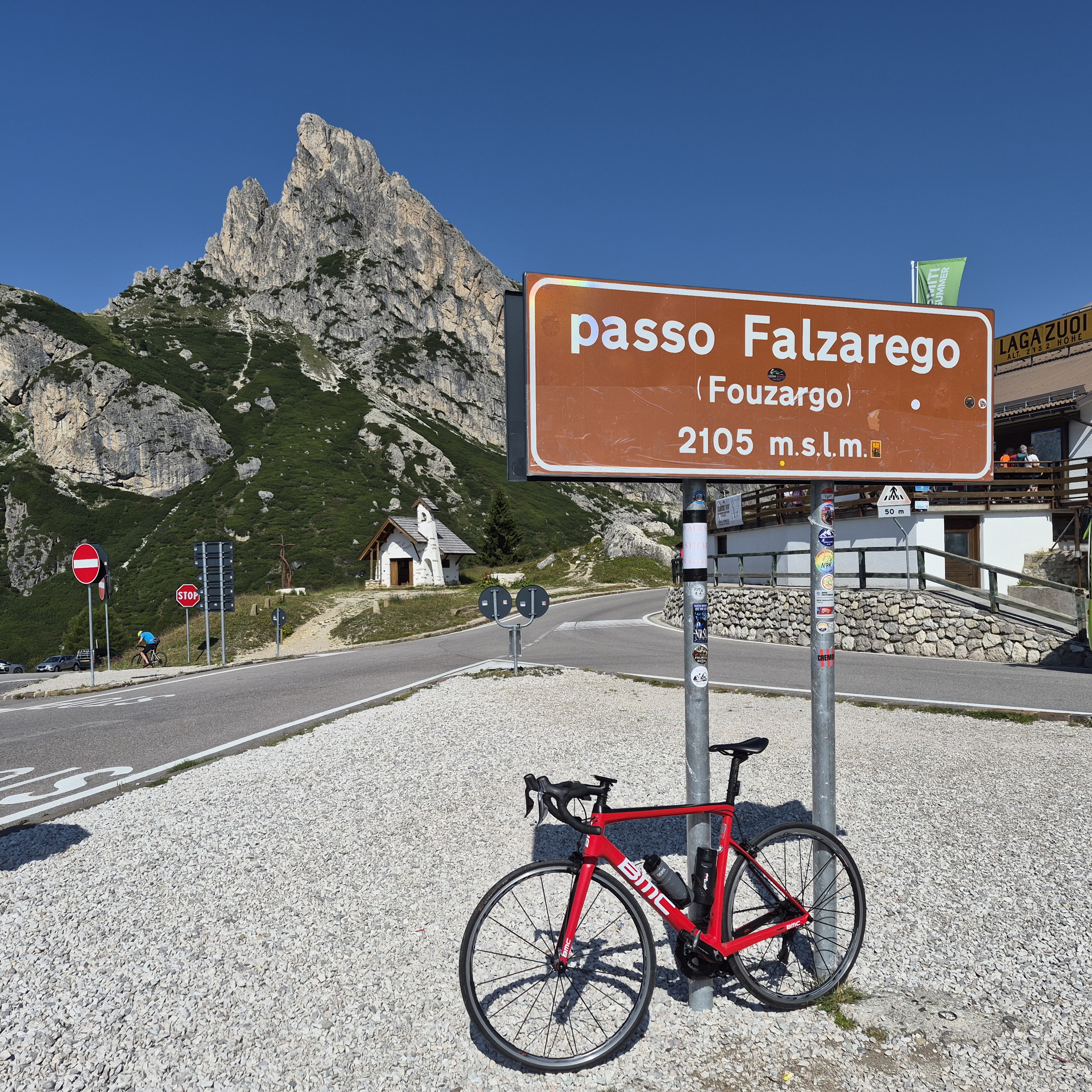
Often climbed in conjunction with the nearby Falzarego Pass, Valparola has seen the greatest champions in cycling history pass over its summit.
It can be tackled from La Villa in Val Badia, from Cortina d’Ampezzo, or from Caprile via the Falzarego. Although it lacks the punishingly steep ramps of Giau Pass, it features tough, steady sections that split the peloton and lay bare the riders’ fatigue.
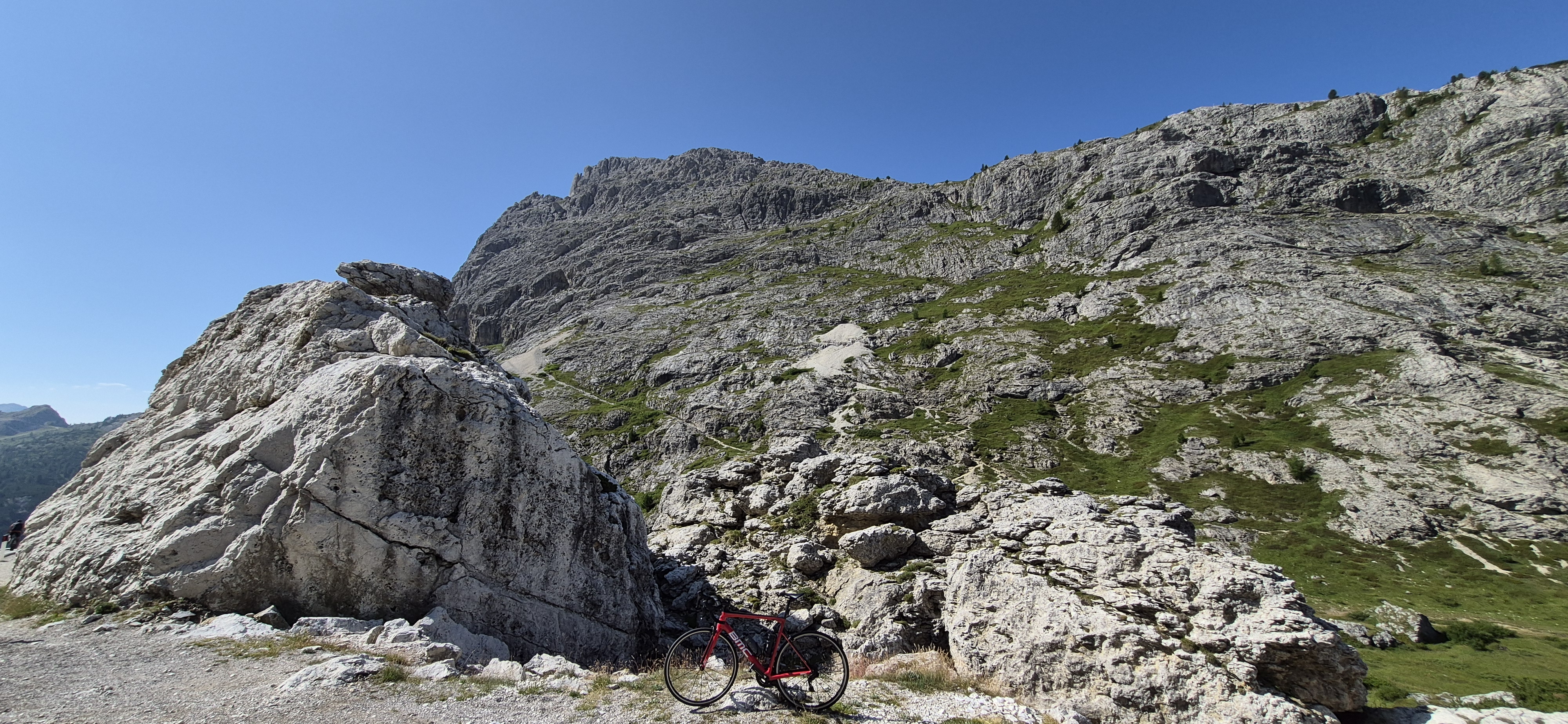
The climb is set amidst majestic rock faces, scree slopes, and high-altitude meadows.
In the final kilometers, the route passes Fort Tre Sassi—a World War I fortification—adding significant symbolic and cultural value to the ascent.
The climb is part of the Maratona dles Dolomites, one of the most famous and challenging Granfondo events in the world.
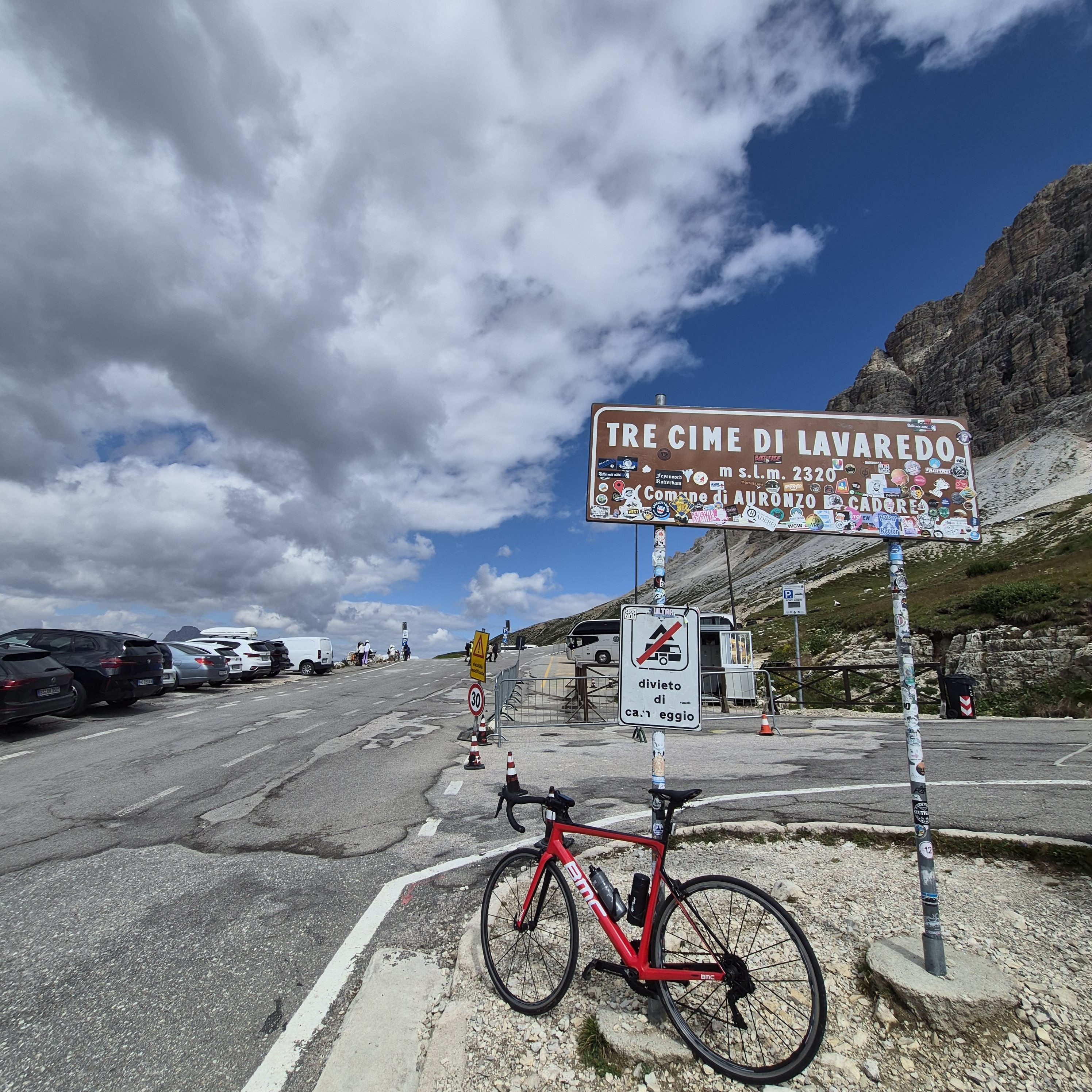
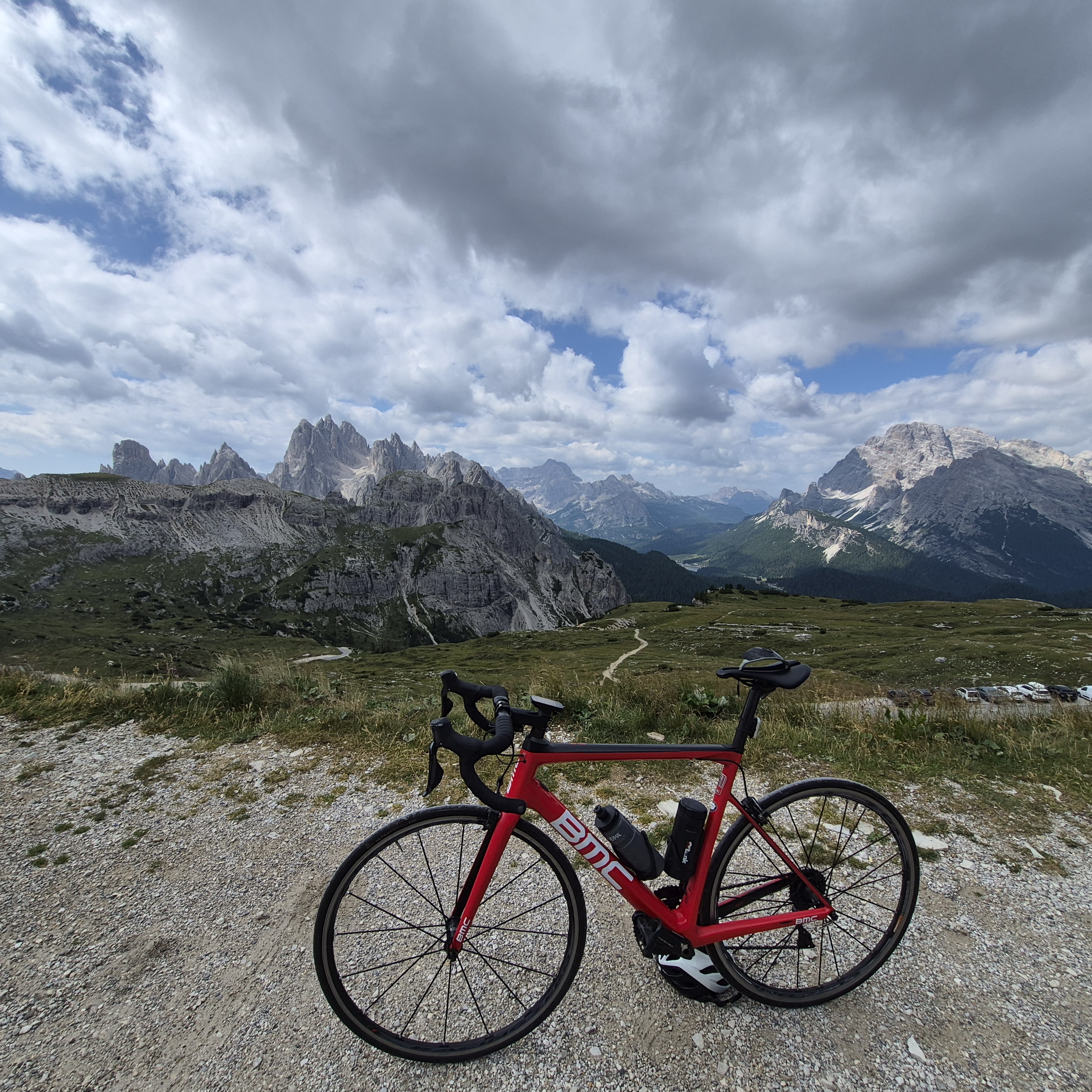
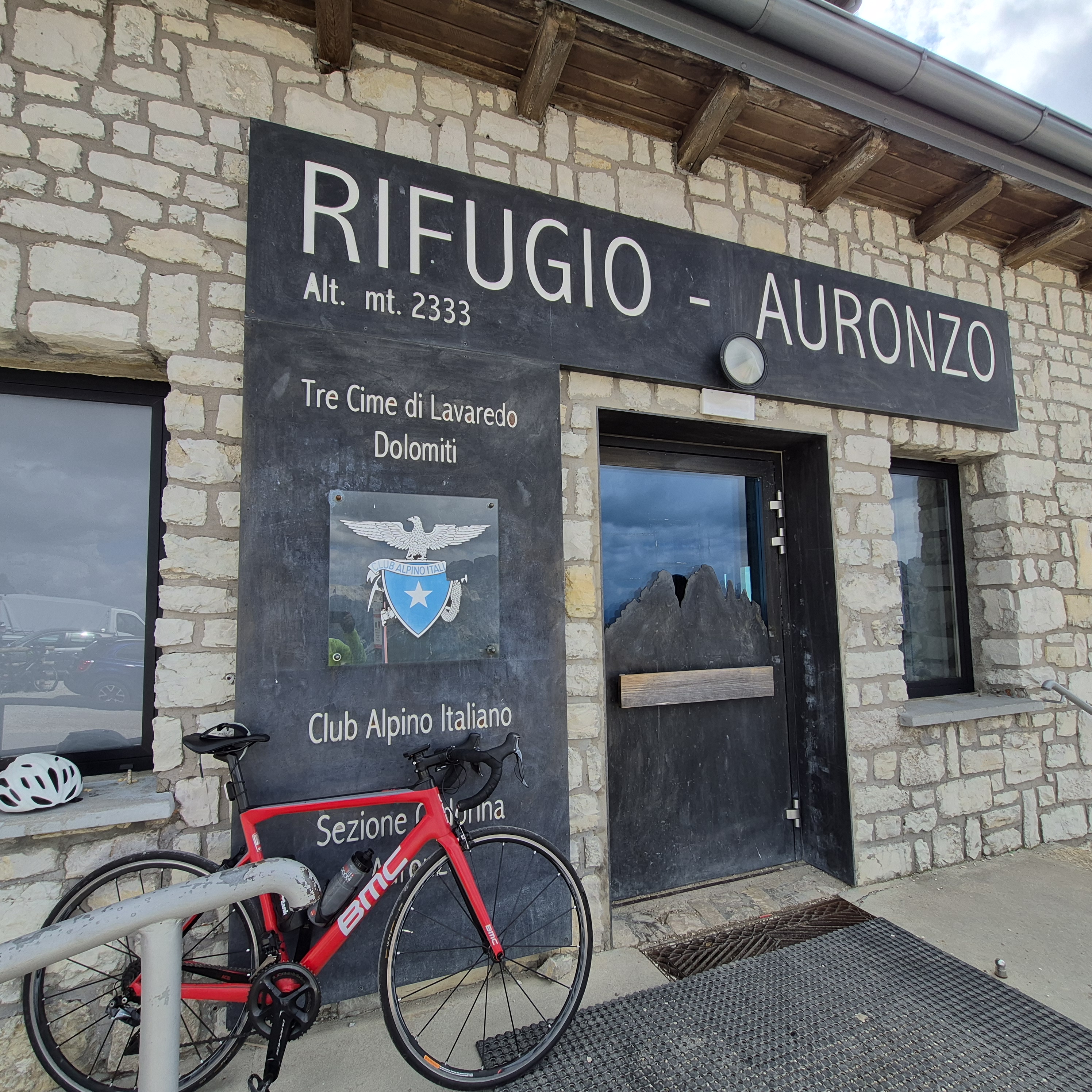
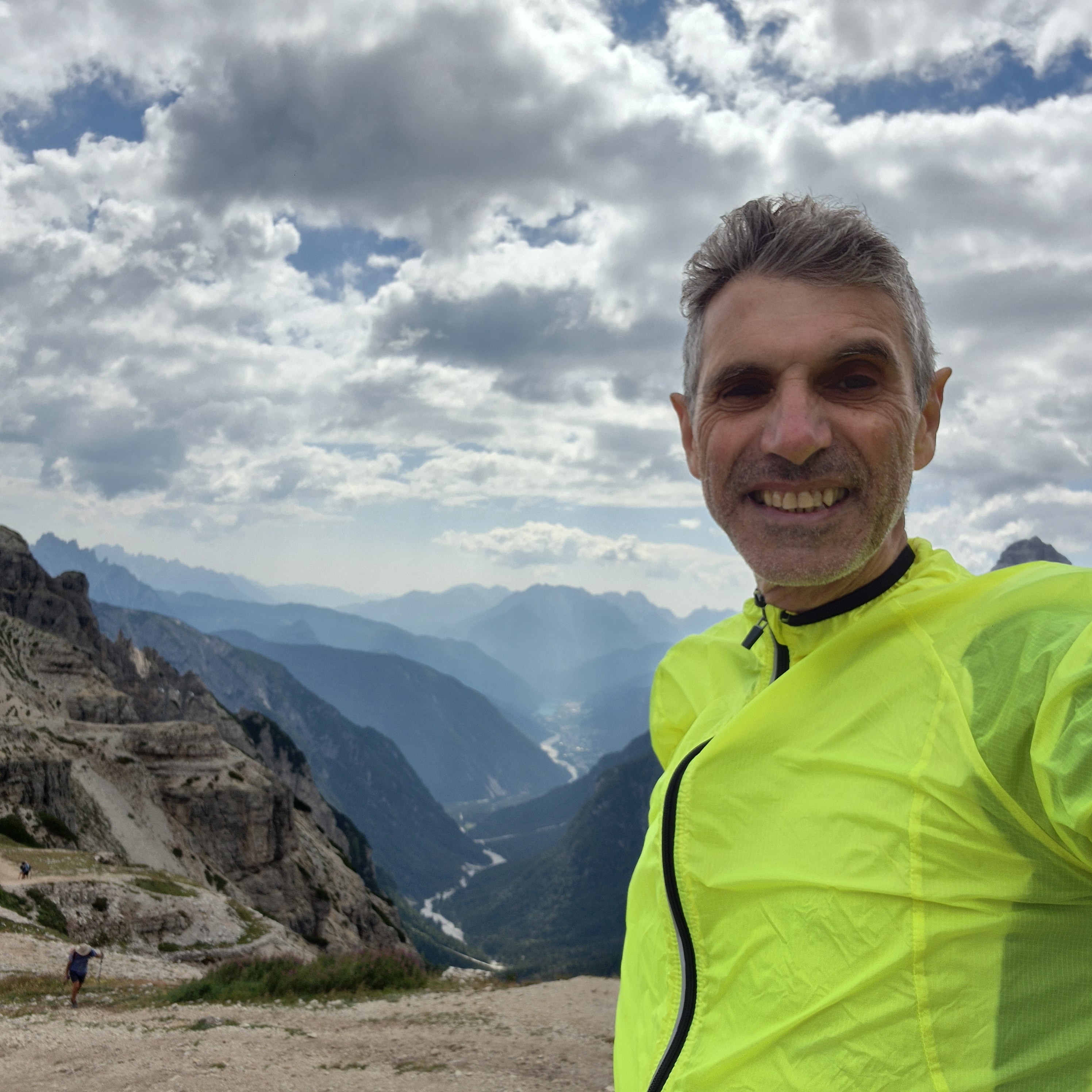
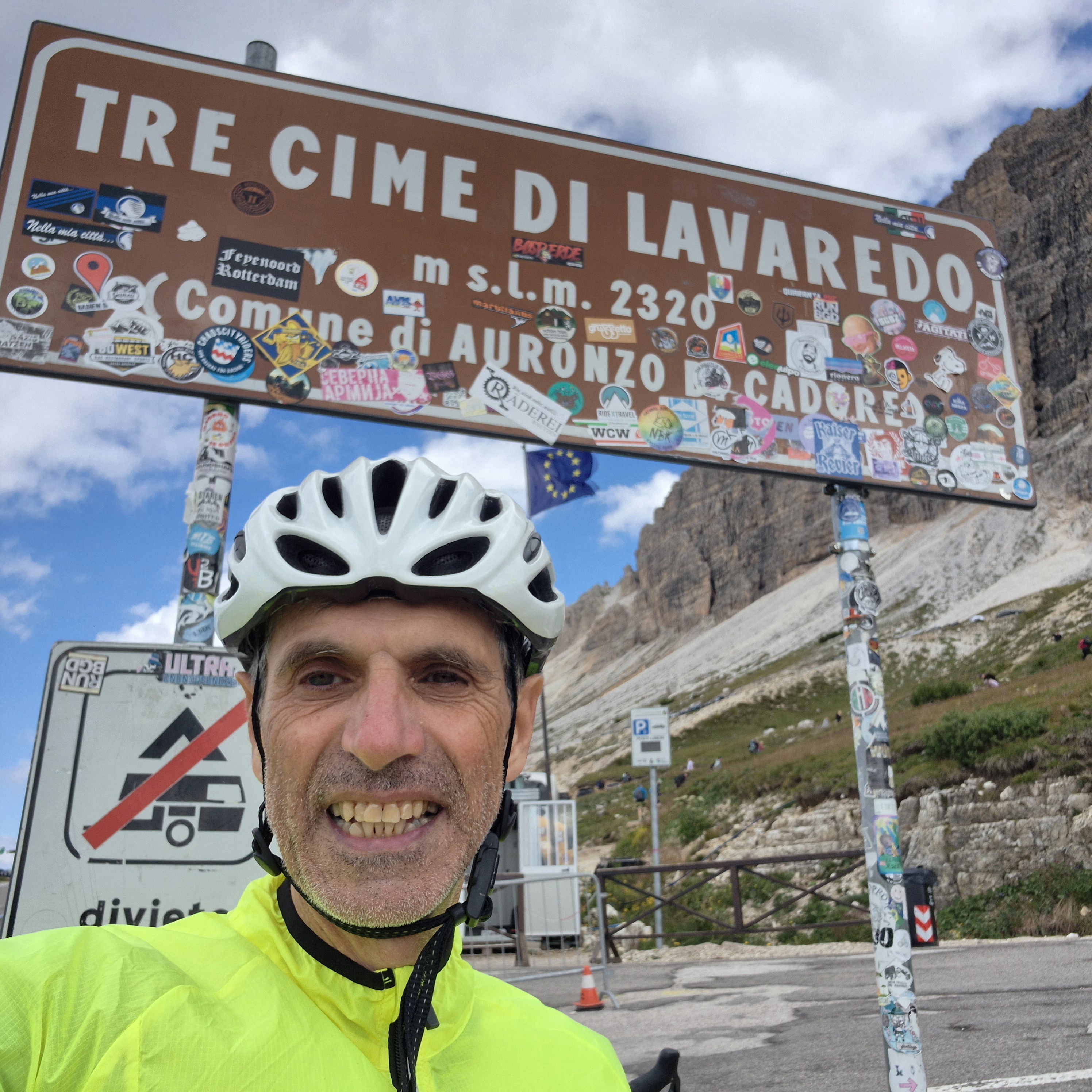
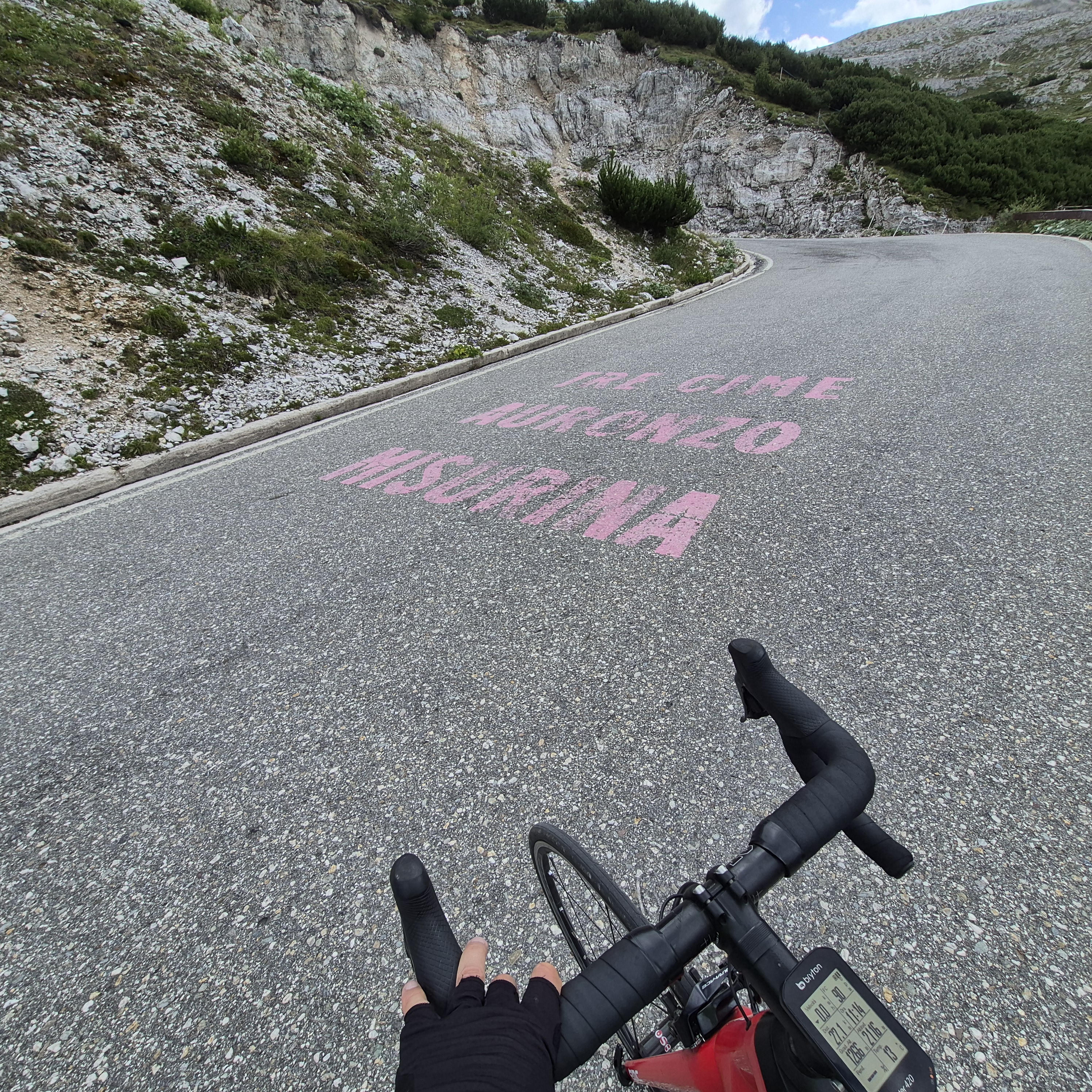
Tre Cime di Lavaredo da lago Misurina
| Lunghezza | Altezza | Pendenza Media % | Scalata il |
| 7.2 | 576 | 8 | 27 July 2026 |
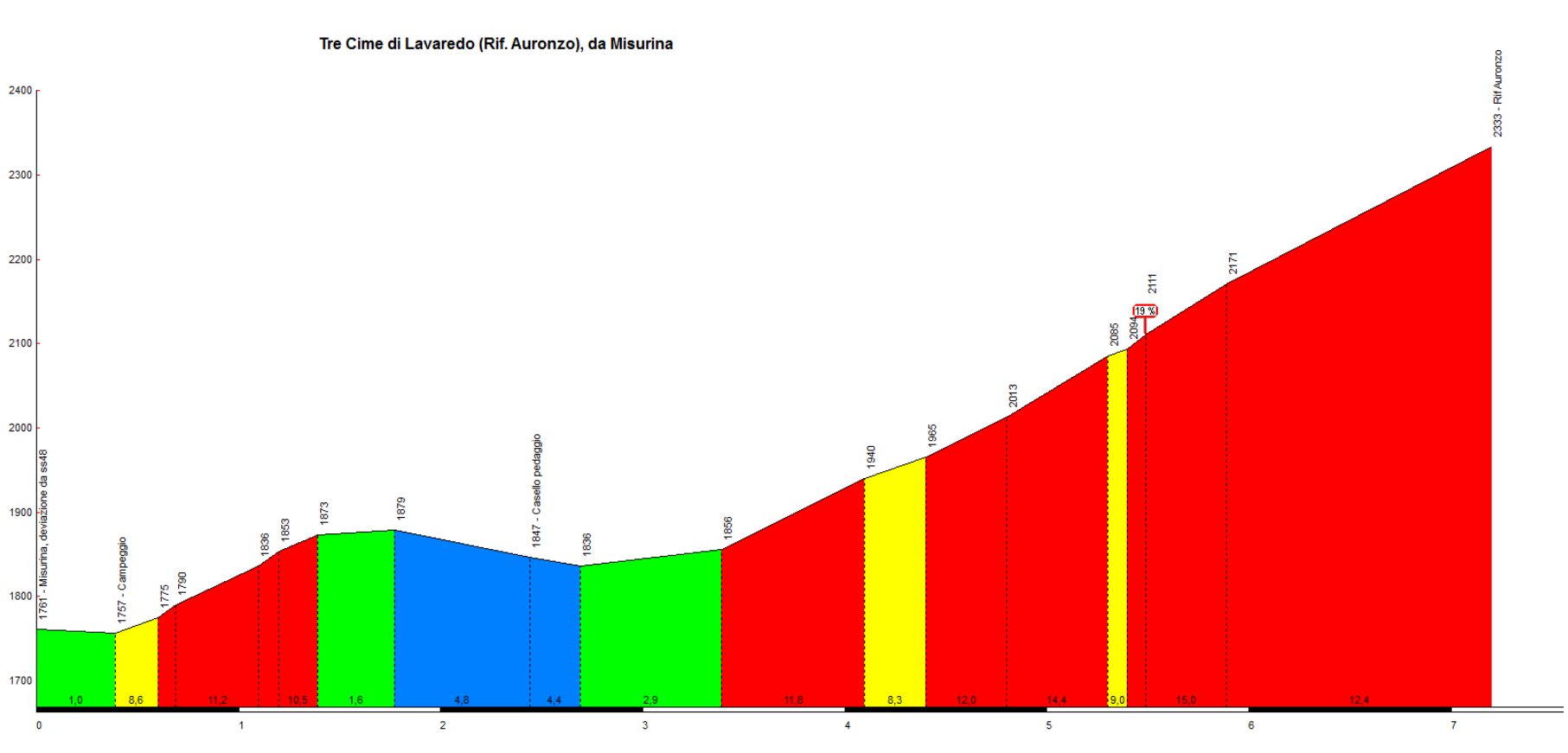
The climb to the Tre Cime di Lavaredo is one of the most iconic in cycling. It has featured in the Giro d’Italia seven times. Since it is not a mountain pass but a summit finish, riders aiming for victory must tackle it with maximum effort. The final 4 km, with an average gradient of 12%, are extremely demanding, and riders often reach this section after having already tackled stages featuring other major climbs.
This is where true champions are revealed.
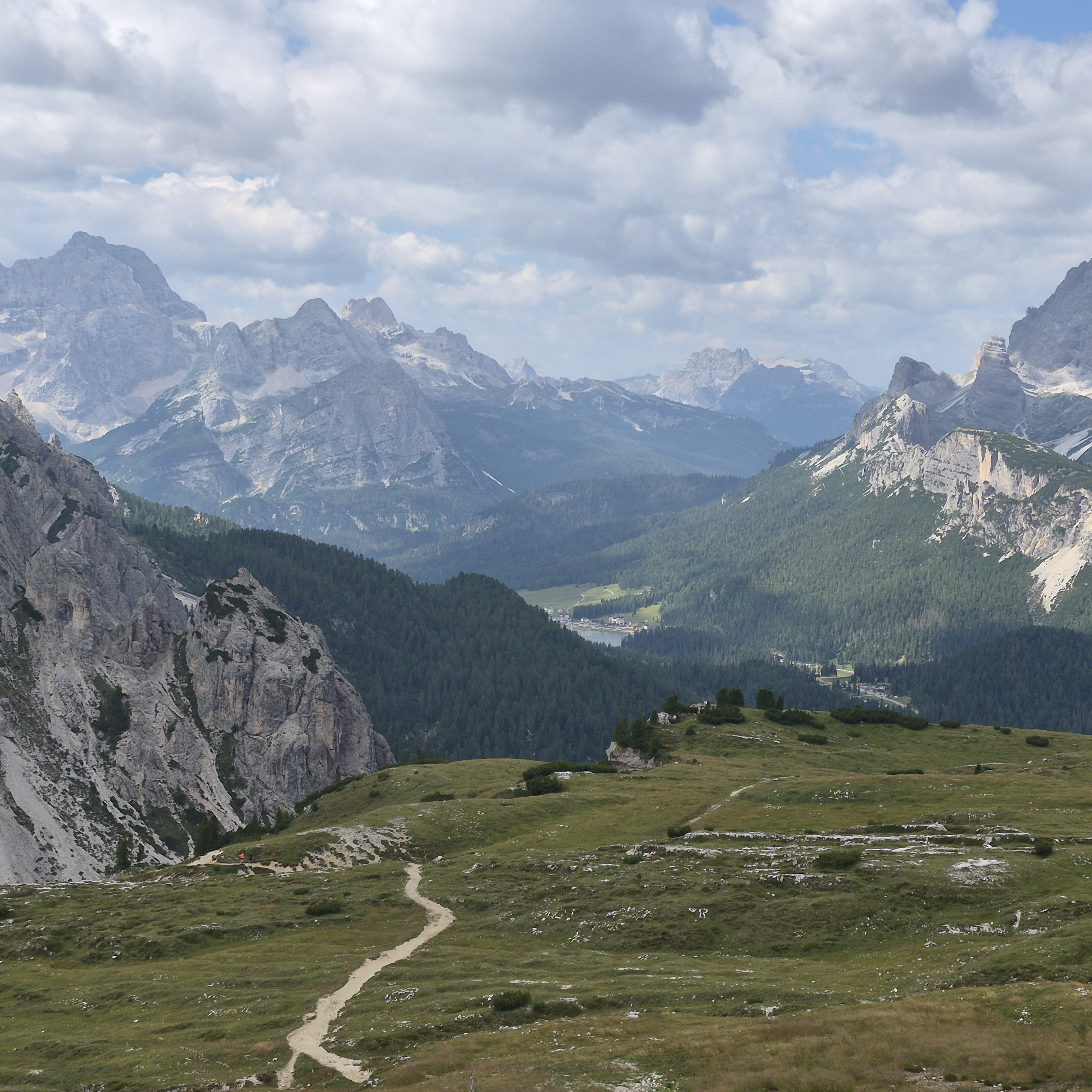
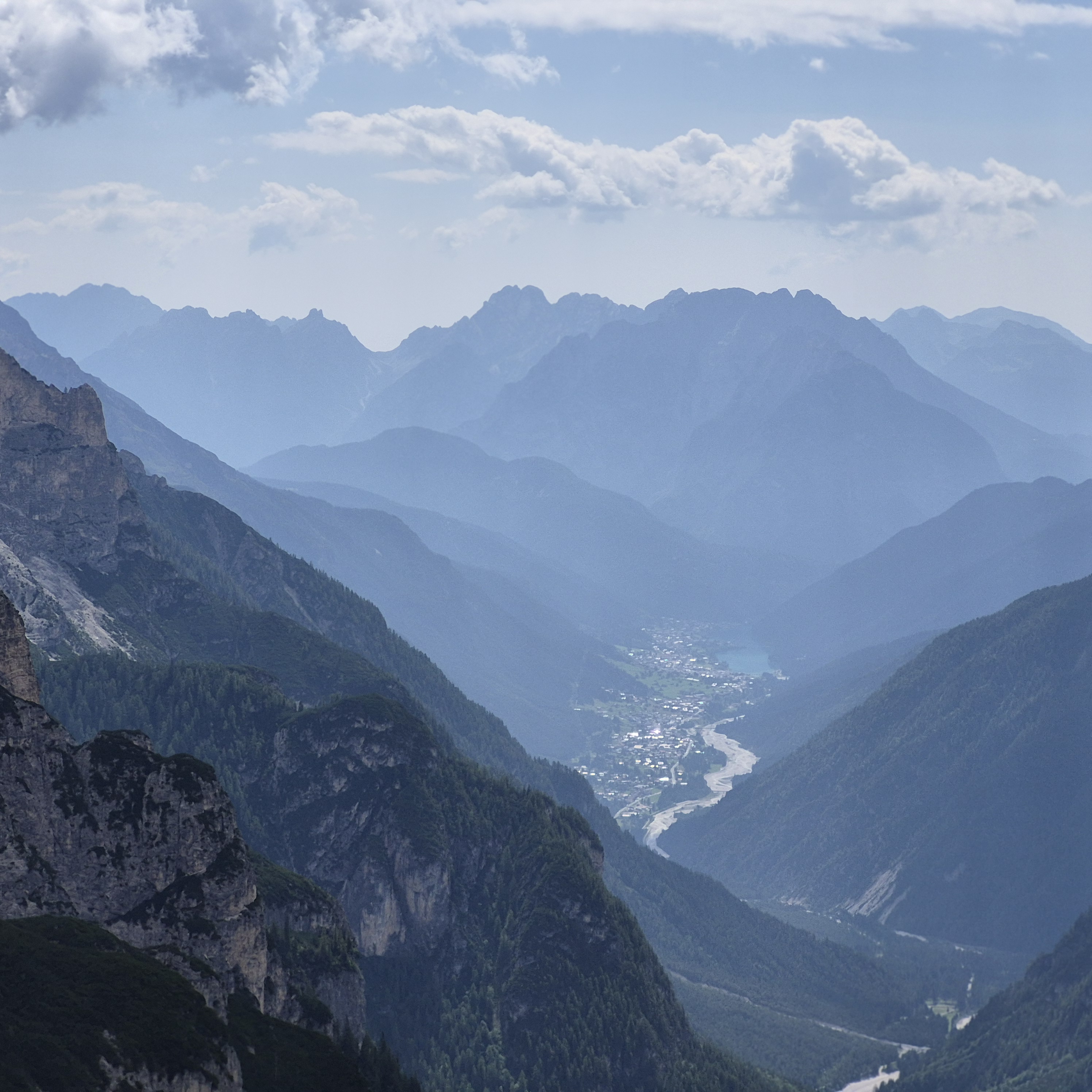
The scenery is spectacular; cycling and the mountains—especially the Dolomites—make for a fantastic combination.
The ascent to the Tre Cime has been the stage for legendary cycling feats, although its Giro debut in 1967—won by Gimondi—is also remembered for the shameful spectacle of riders climbing while holding onto team cars or being pushed by fans. The following year, “The Cannibal” Eddy Merckx won with a magnificent solo ride, and in 2013, “The Shark of the Strait,” Vincenzo Nibali, claimed victory amidst a snowstorm and freezing cold.
The Giro d’Italia stage 1967 cancelled after the Gimondi victory
The Giro d’Italia stage 1968 won by Merckx (video1 and video2)
The Nibali victory in Giro d’Italia 2013 under the snowstorm


Colle di Sampeyre da Sampeyre
| Lunghezza | Altezza | Pendenza Media % | Scalata il |
| 15.6 | 1329 | 8.5 | 1 June 2026 |

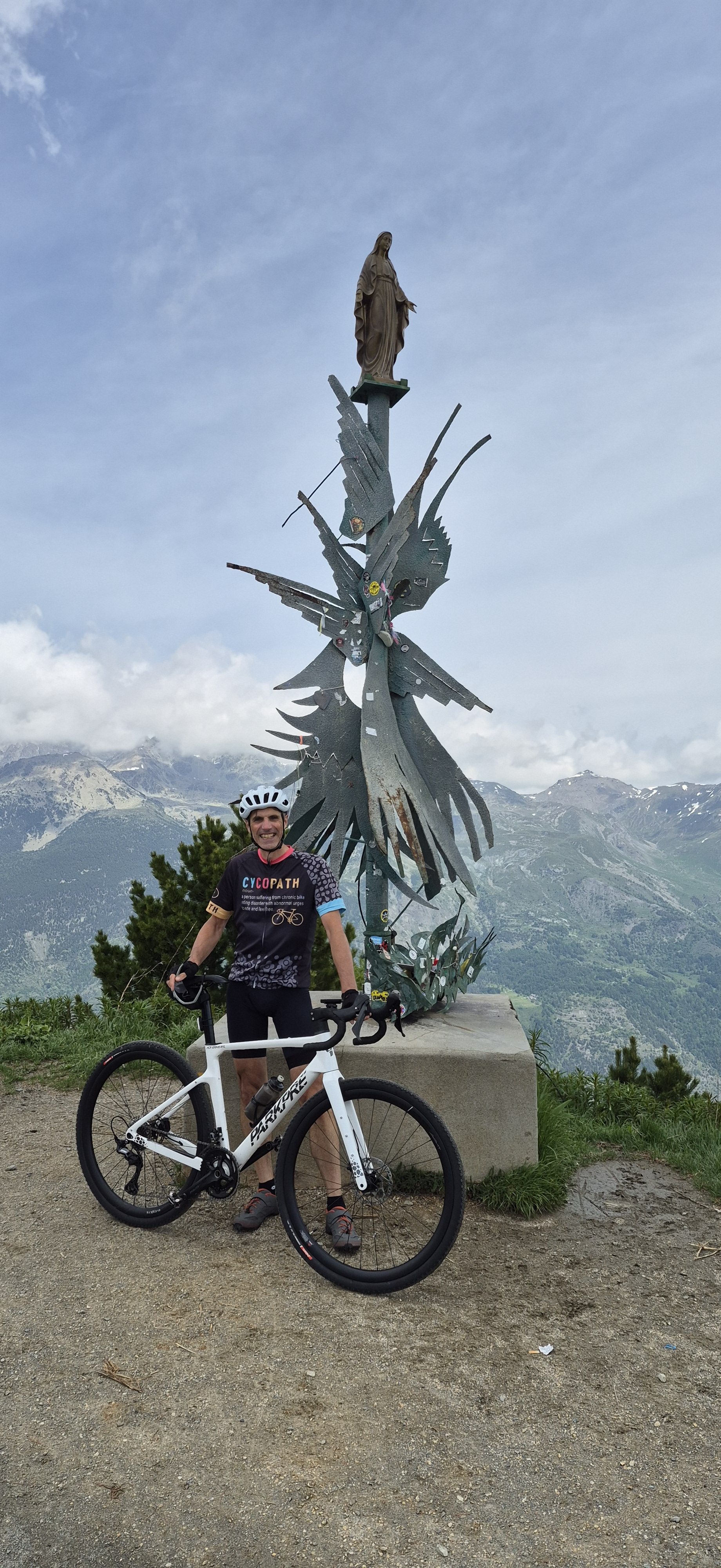
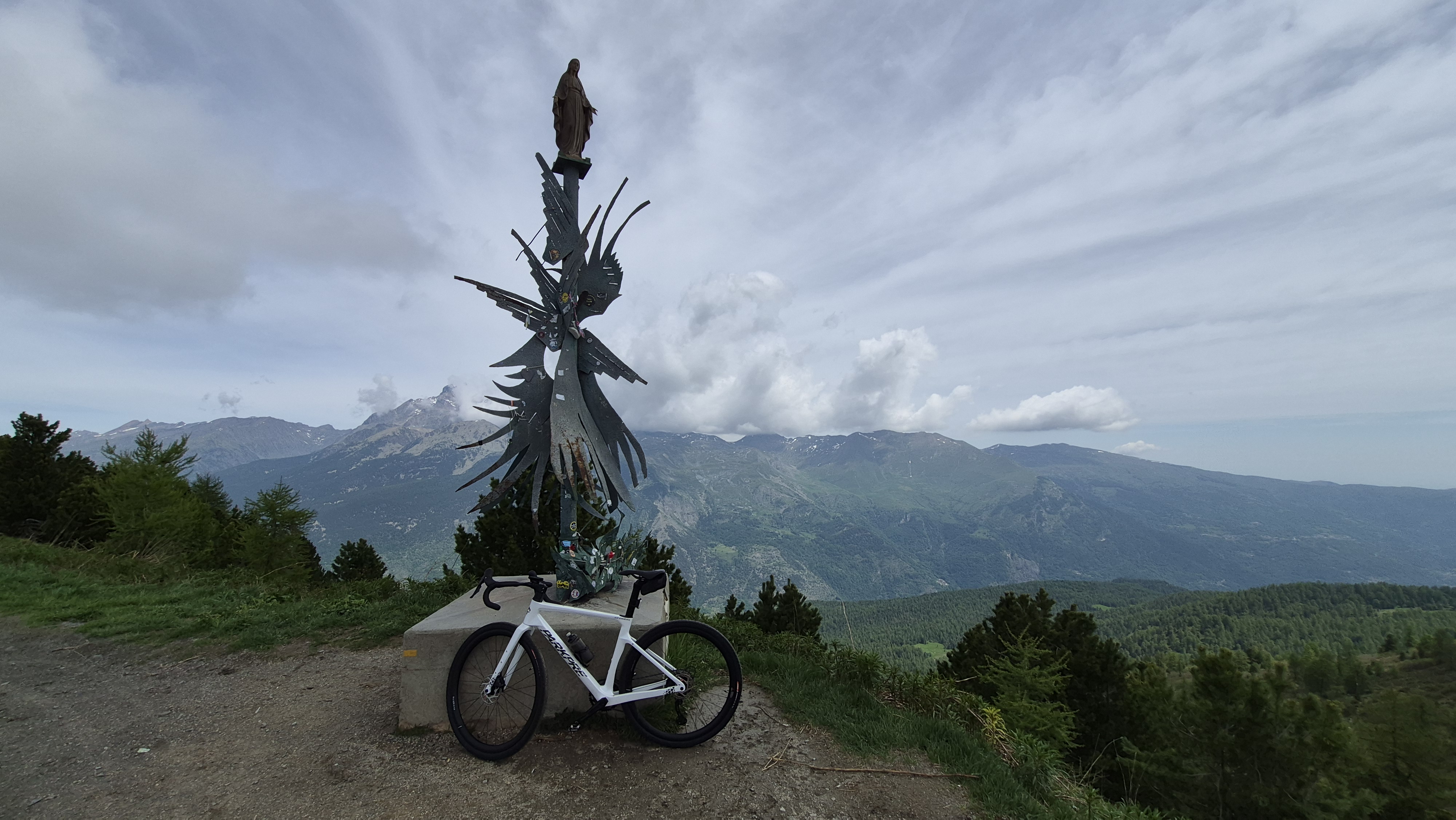
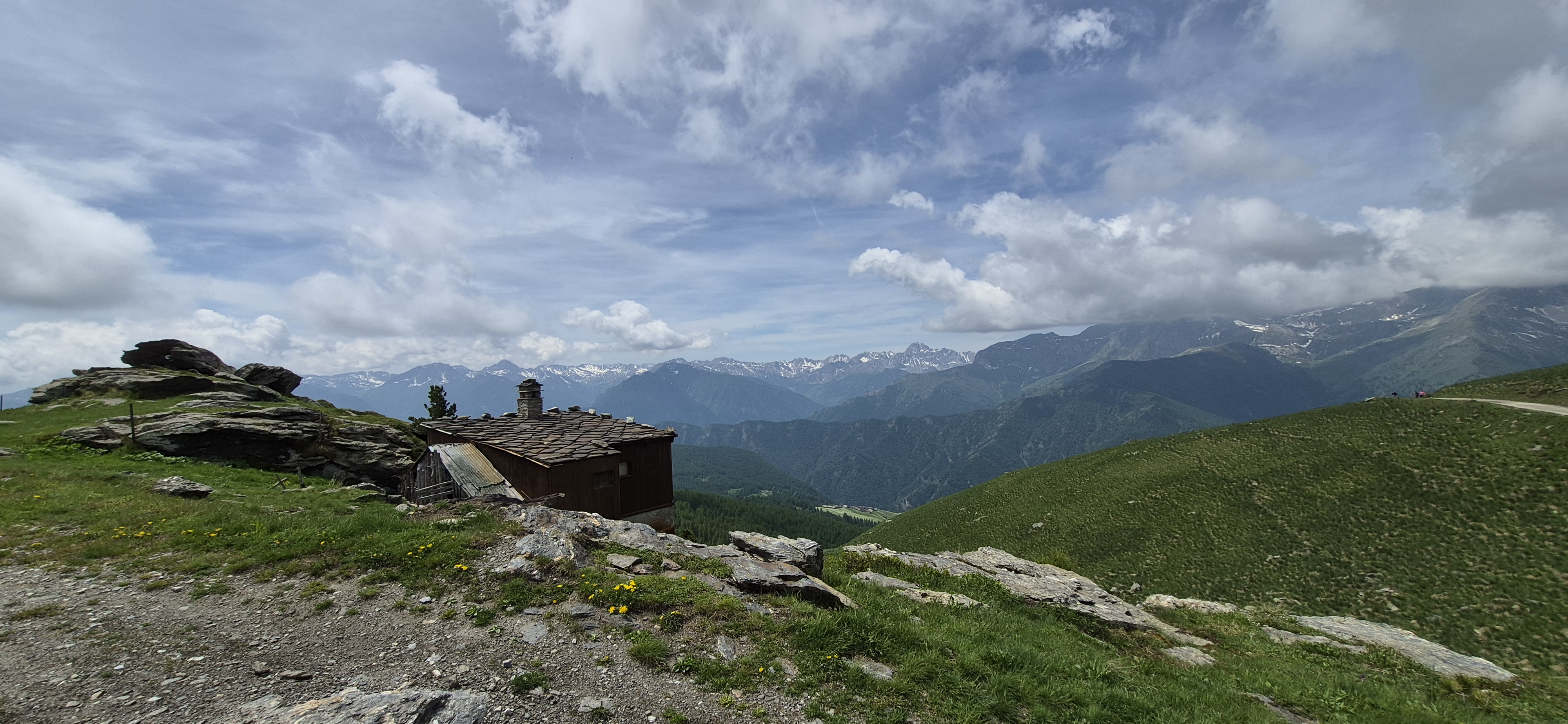
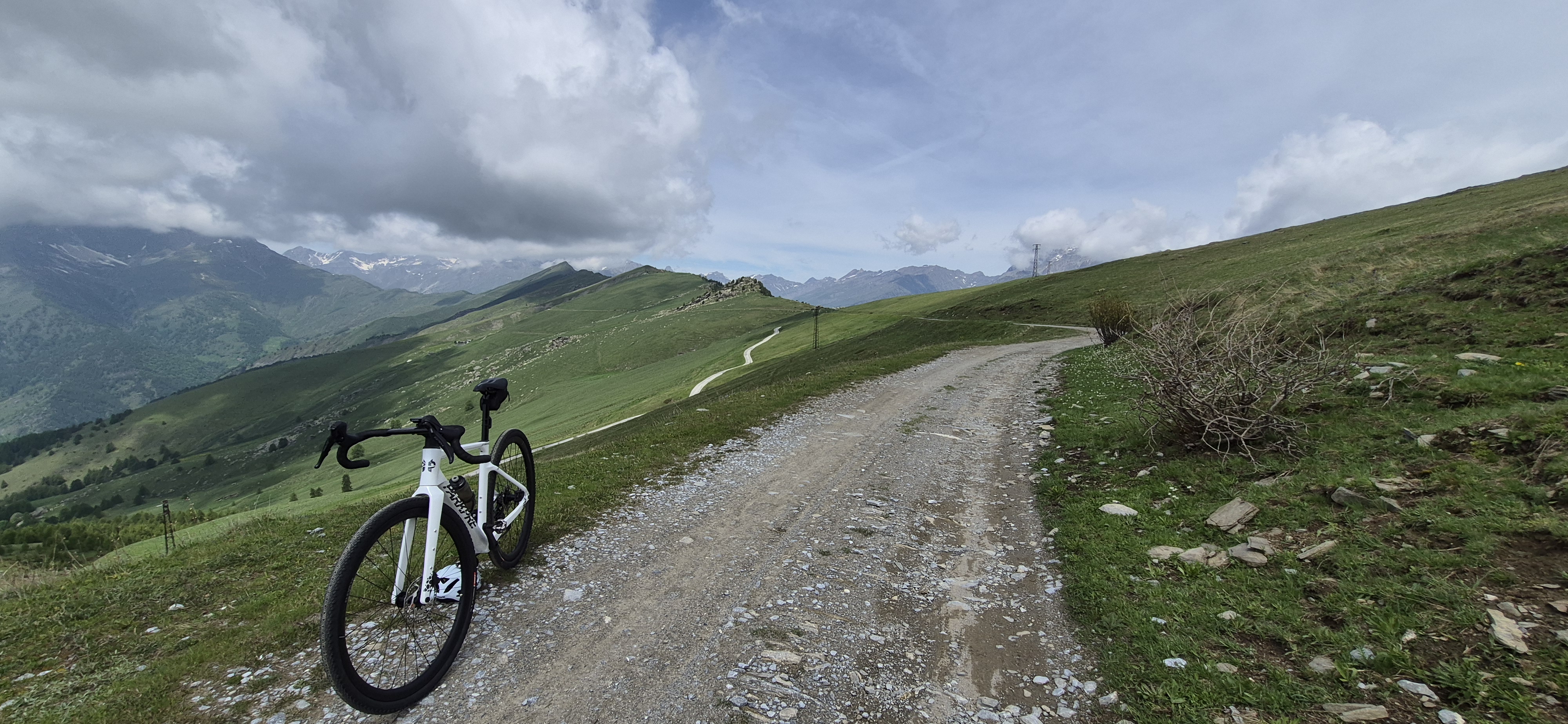
Colle di Sampeyre is a legendary climb in the Western Alps, renowned for its challenging elevation, relentless gradients, and a setting of rare beauty between the Maira and Varaita valleys in the province of Cuneo.
It reaches an altitude of 2,284 meters, with an elevation gain of over 1,300 meters spread across just 15 to 17 kilometers, depending on the side of the ascent.
The climb features an average gradient of around 7.7% to 8.3%, with peaks reaching 13%, but—crucially—it offers no real respite or flat sections to catch one’s breath.
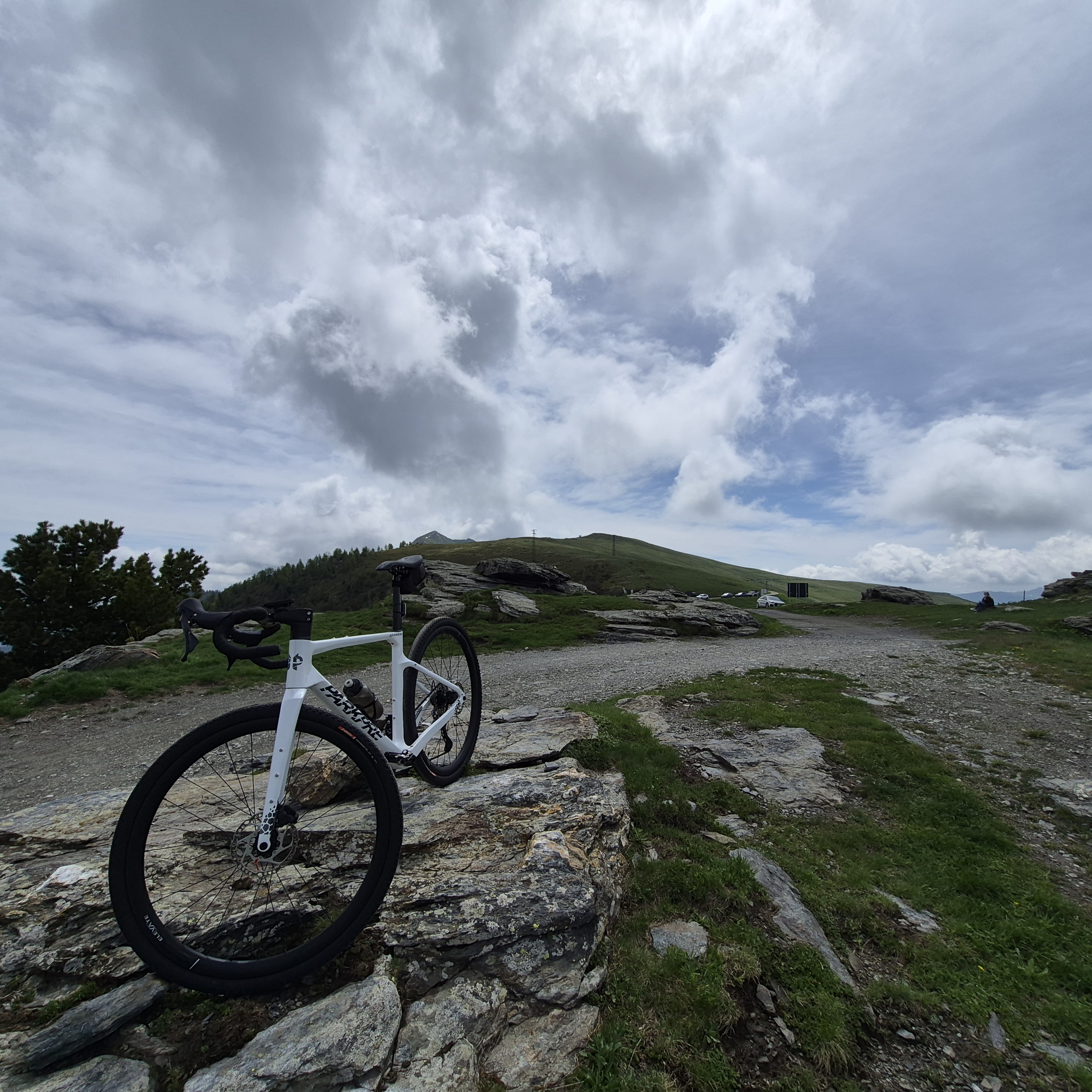
The first section winds through dense coniferous forests that form a natural, shady tunnel (highly welcome in summer), while the second half opens up into high-altitude meadows.
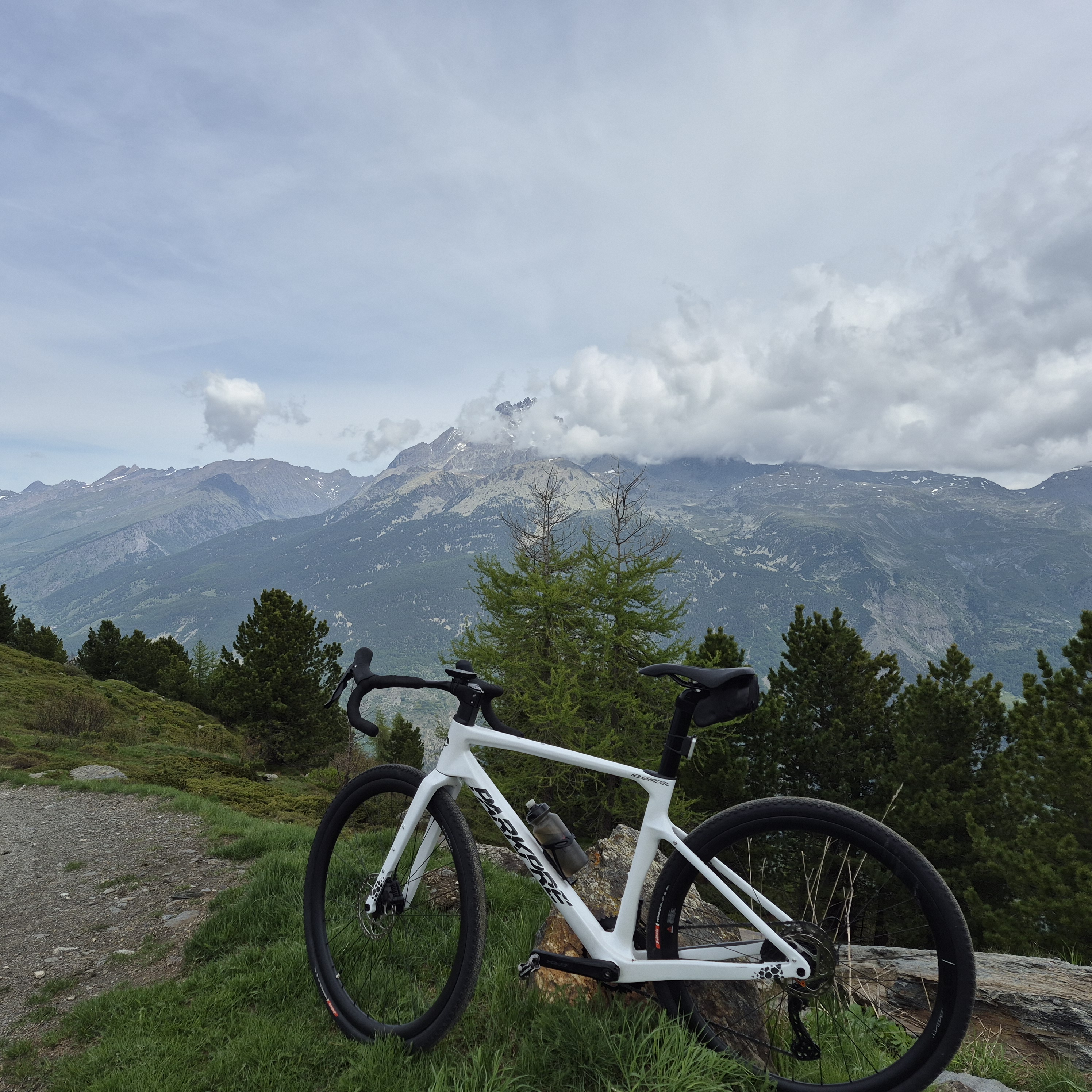
The summit offers a spectacular view dominated by Monviso (the “King of Stone”) and the surrounding peaks fading into the distance toward the French border.
It has achieved legendary status thanks to its inclusion in memorable stages of the Giro d’Italia (such as in 1995 and 2003) and as part of the “Legendary Climbs in the Lands of Monviso” (Scalate Leggendarie nelle Terre del Monviso) circuit—events where the road is closed to motor traffic to welcome cyclists.

Colle dell’Agnello da Casteldelfino
| Lunghezza | Altezza | Pendenza Media % | Scalata il |
| 22.4 | 1464 | 6.5 | 13 July 2026 |
The Colle dell’Agnello is a legendary climb, combining extreme altitude, grueling gradients, and a rich history tied to the sport’s most important cycling races.
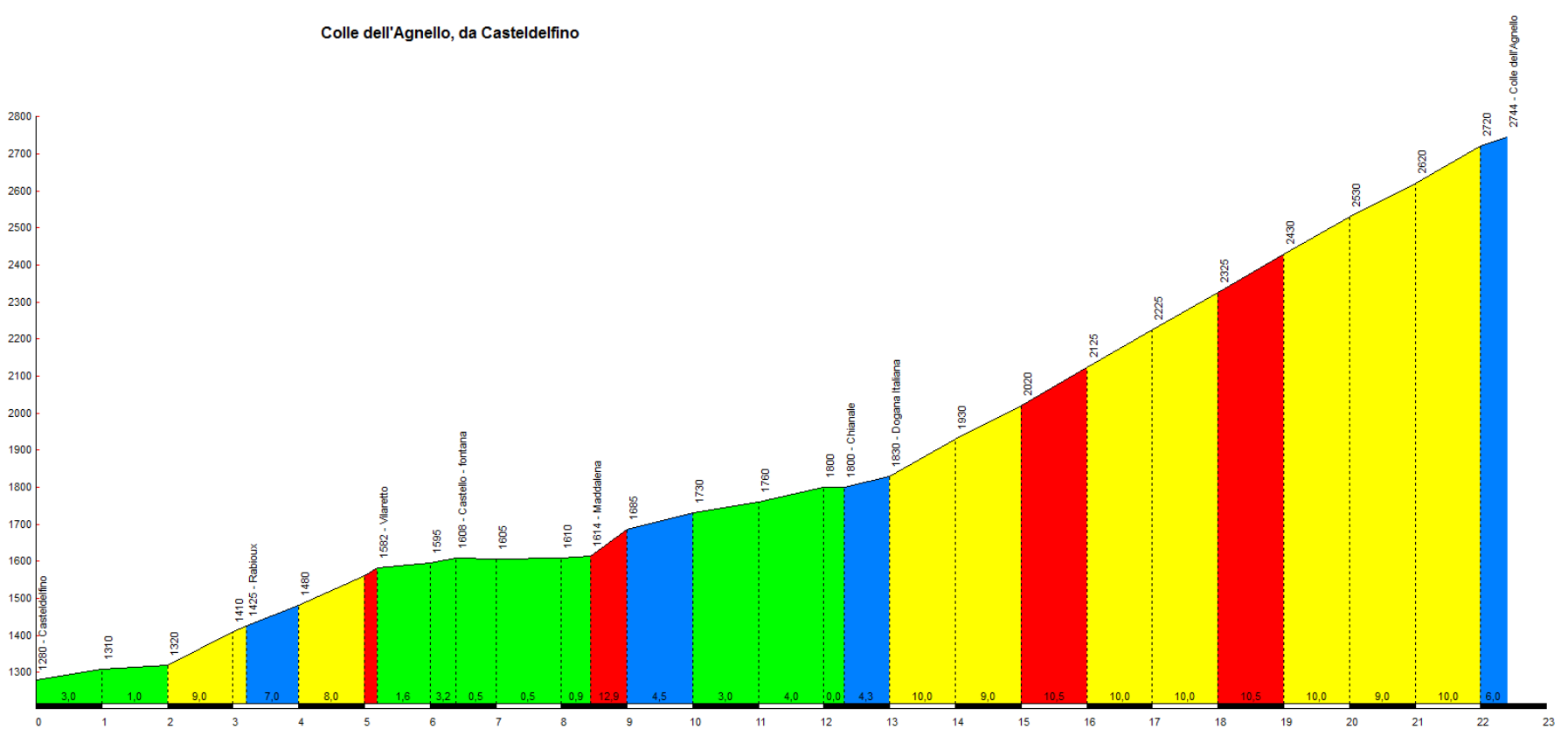
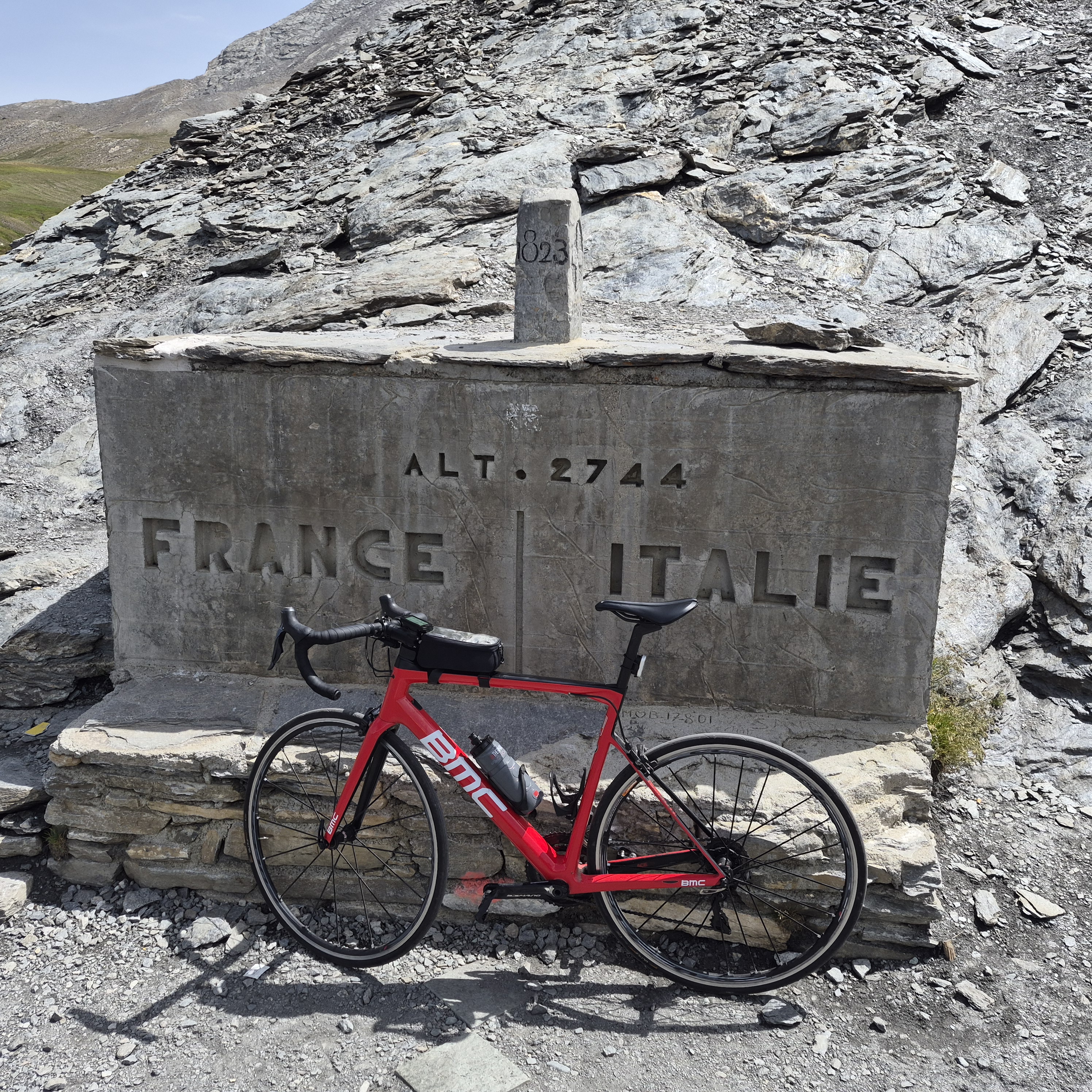
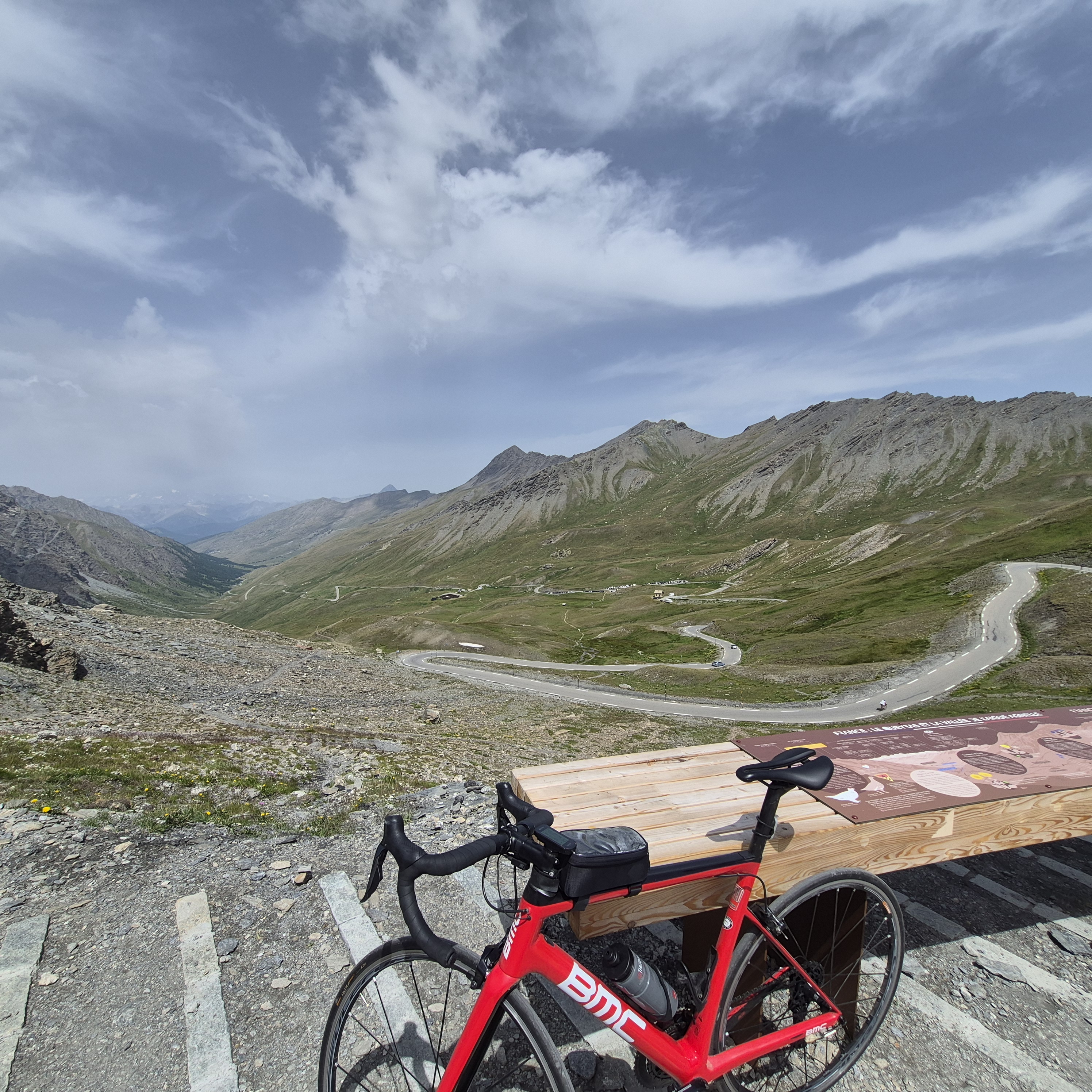
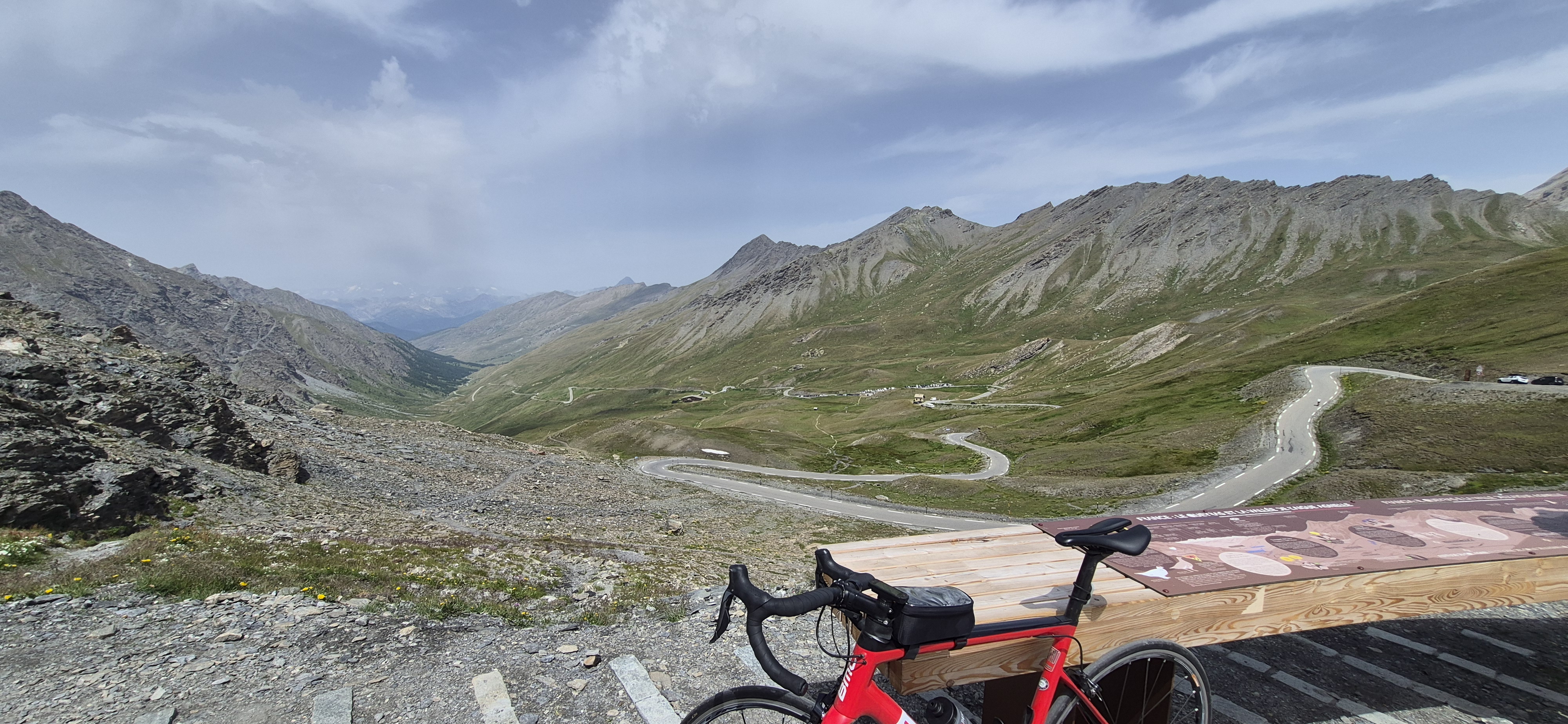
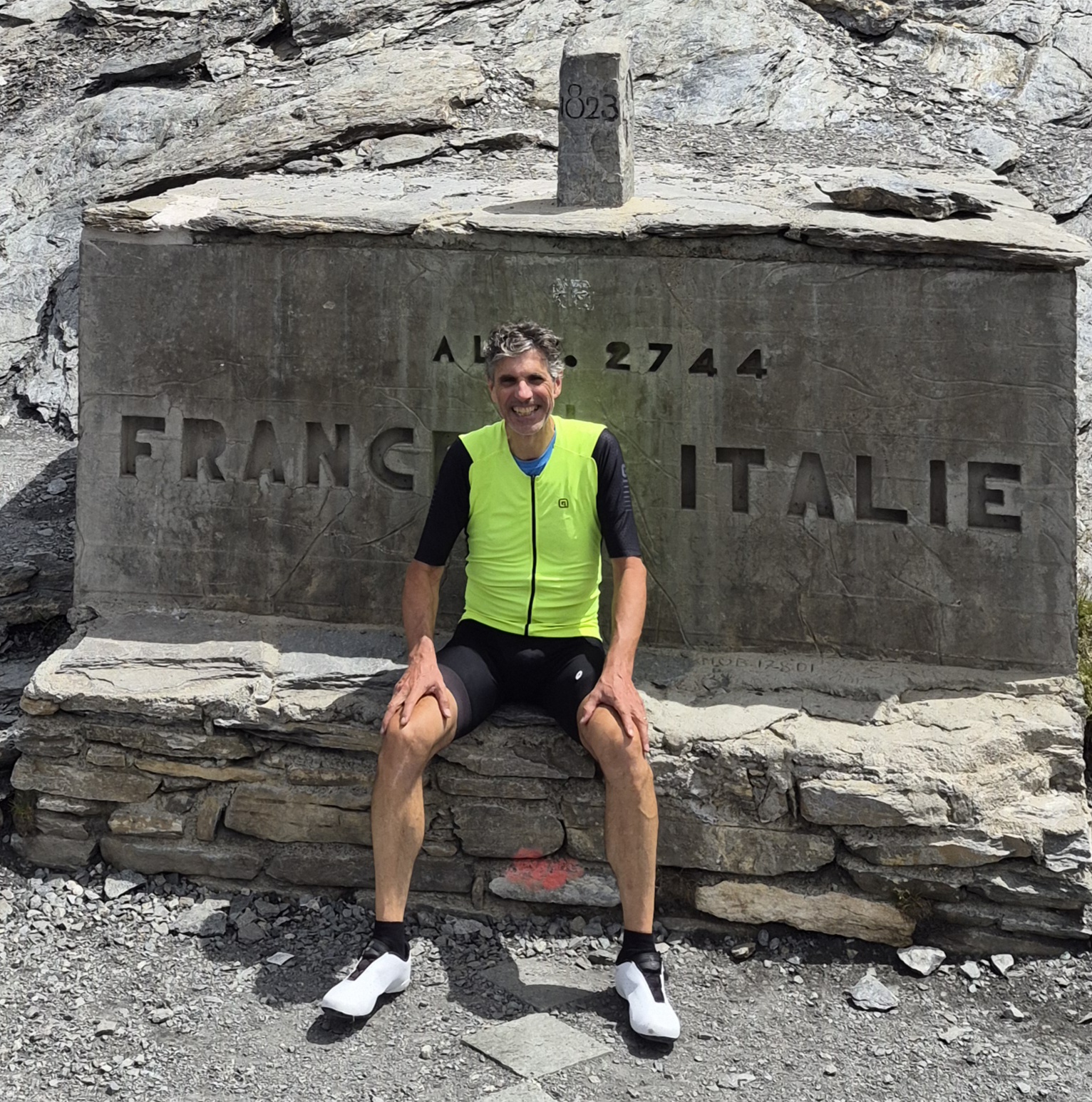
At 2,744 meters above sea level, it is the highest paved cross-border mountain pass in Europe. From the Italian side (starting in Casteldelfino), the ascent spans approximately 21 kilometers, with an elevation gain of over 1,450 meters. While the average gradient is around 7%, the final 10 kilometers—beyond the former customs post—become incredibly tough, featuring sustained stretches of 10–14% and peaks reaching 15%.
Situated between Italy (Val Varaita) and France, the road winds through stark, solitary landscapes, offering a pure cycling experience defined by physical exertion, silence, and nature.
The Colle dell’Agnello has played a memorable role in professional cycling, featuring in both the Giro d’Italia and the Tour de France. Notable moments include:
• In 1994, it was the stage for a spectacular attack by Marco Pantani during the Giro d’Italia. 1994 was also the first year the Colle dell’Agnello was introduced into the Giro d’Italia.
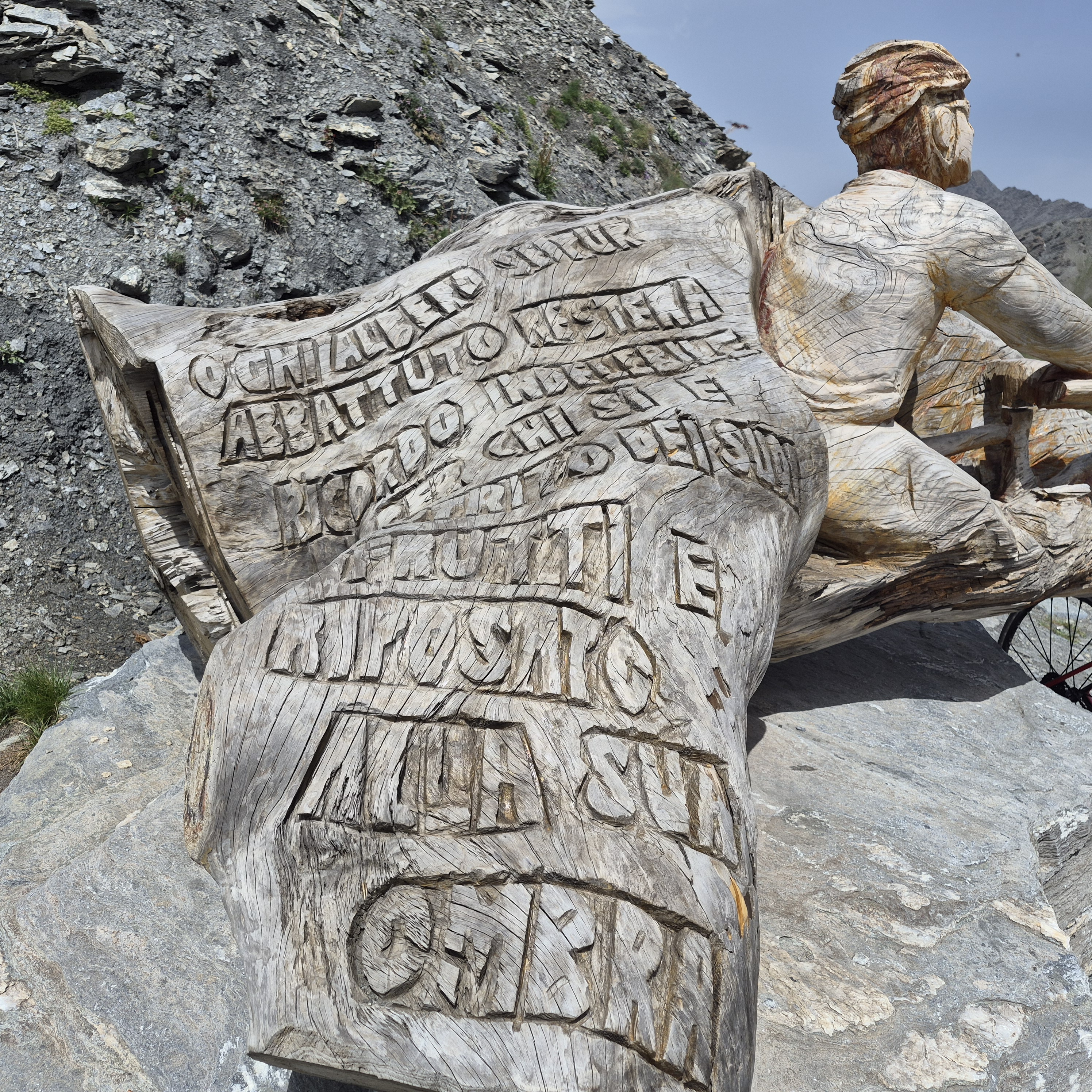
• In 2016, it was the pivotal point of a famous Giro d’Italia stage enlivened by Michele Scarponi; a wooden monument dedicated to him now stands at the summit of the pass. Michele Scarponi and Vincenzo Nibali on Colle dell’Agnello (Giro d’Italia 2016)
• It has also been included in the Tour de France route during the 2008 and 2011 editions.



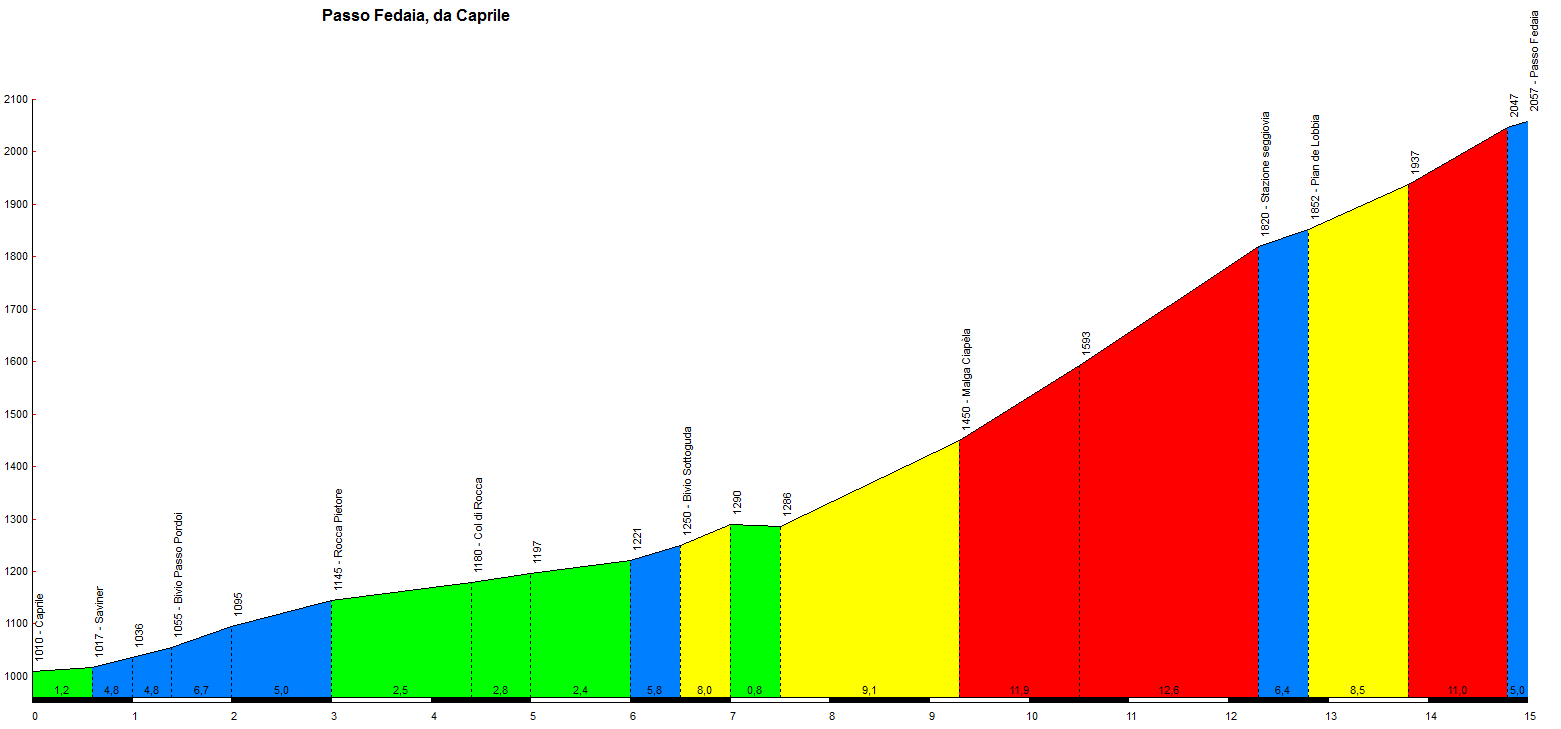
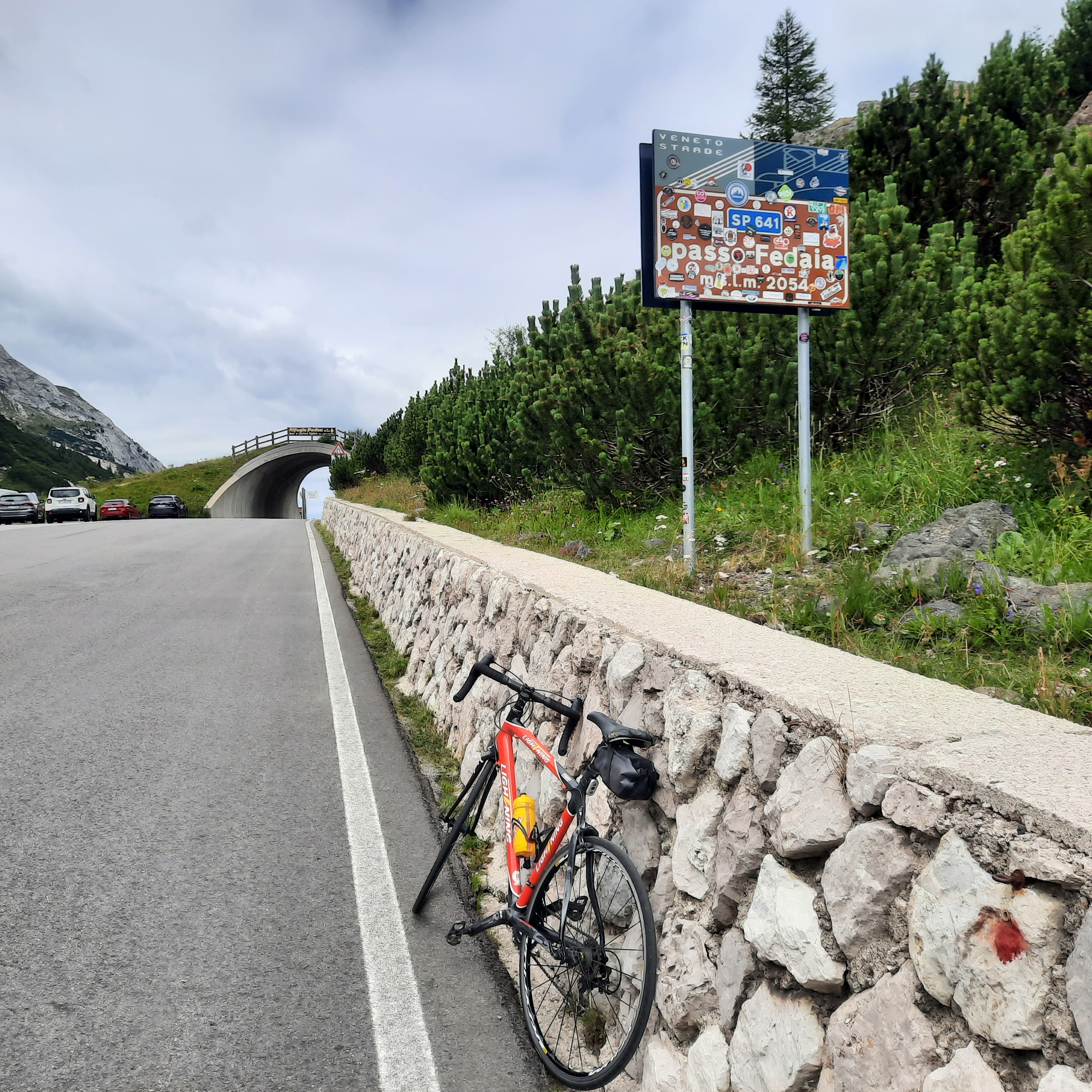
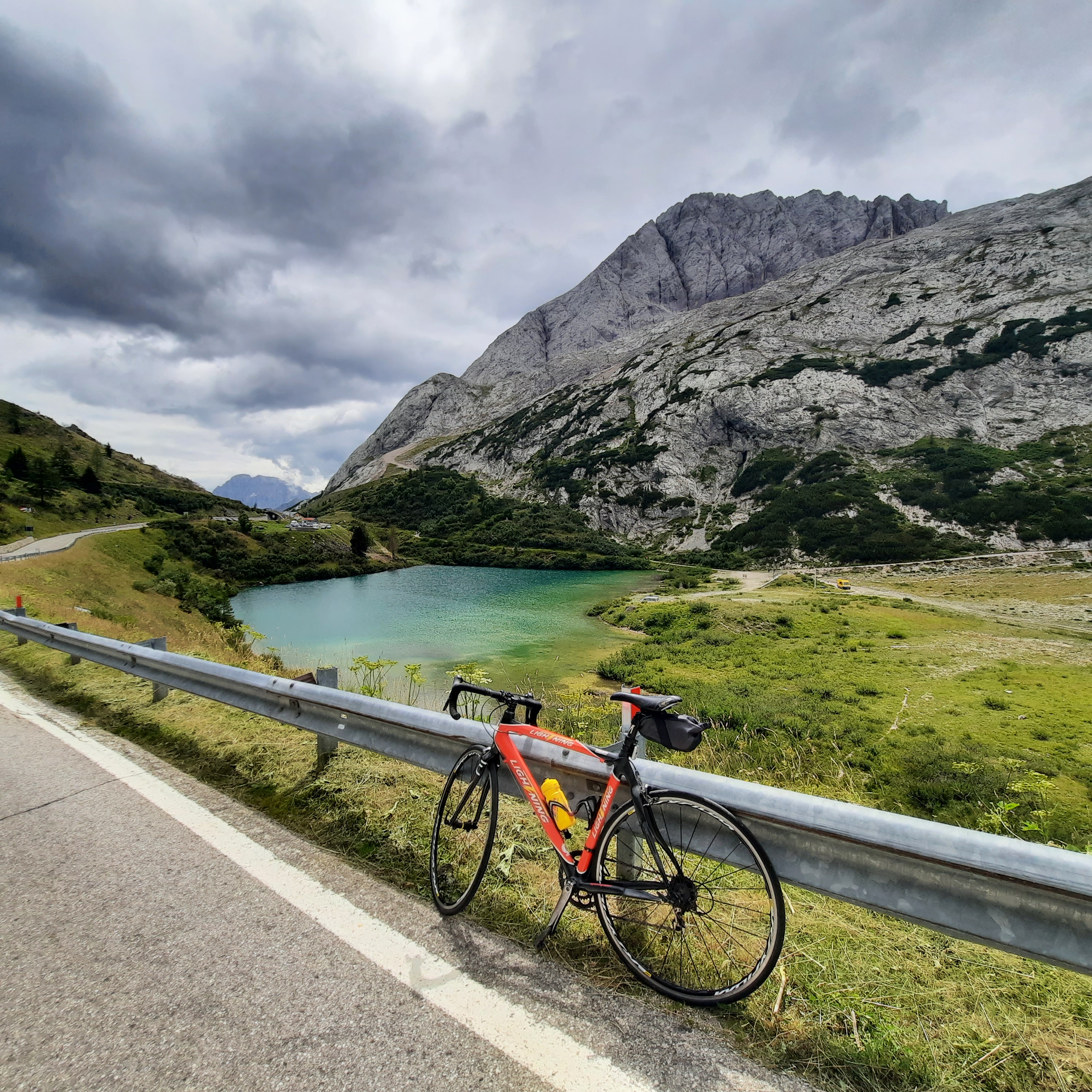
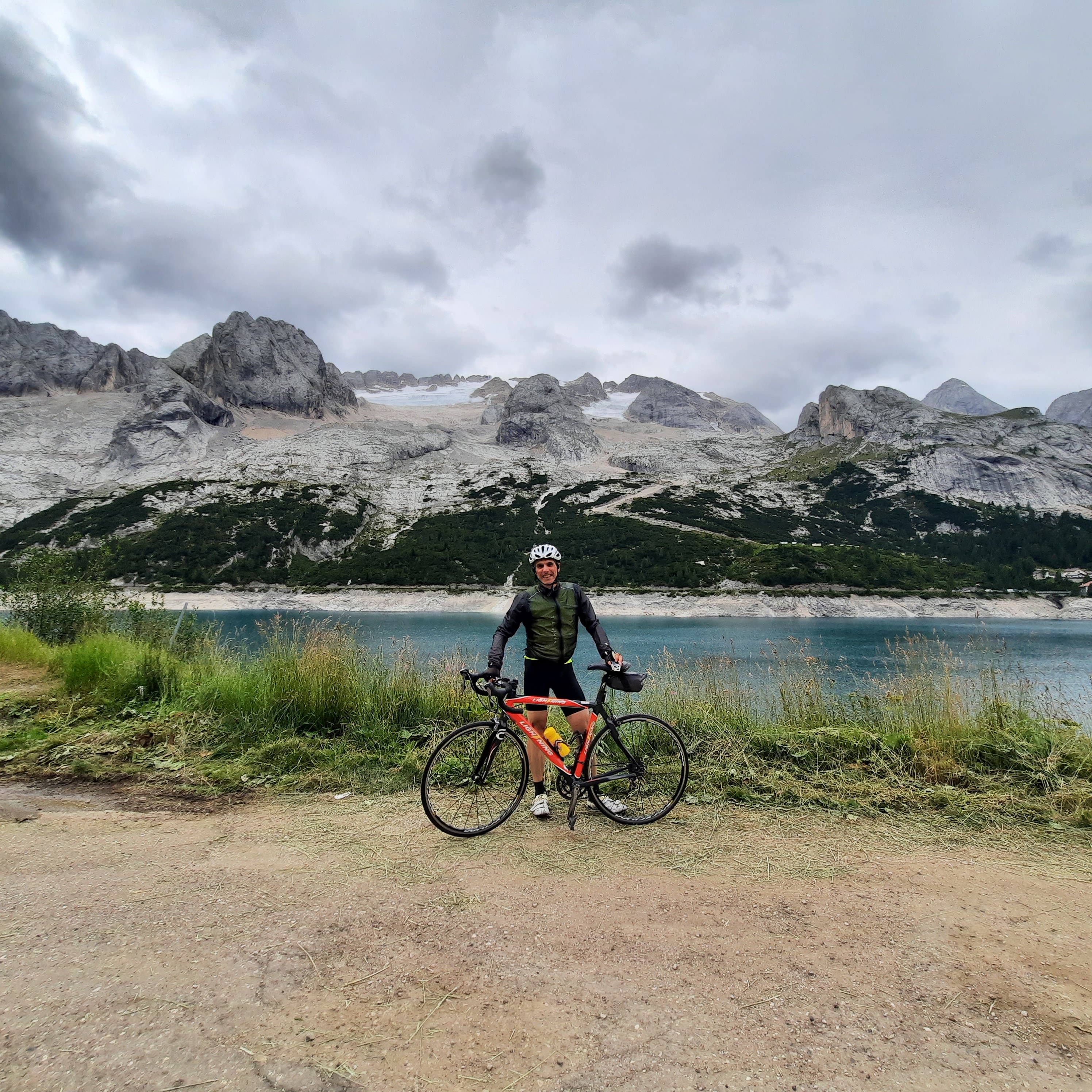
Passo Fedaia da Caprile
| Lunghezza | Altezza | Pendenza Media % | Scalata il |
| 14.1 | 1059 | 7.5 | 10 August 2023 |
The Fedaia Pass is a legendary climb in the Dolomites. It is famous for Marco Pantani’s epic breakaway during the 1998 Giro d’Italia. The climb has extreme gradients of up to 18%. The toughest section lies between Malga Ciapela and Capanna Bill.
On June 2, 1998, during Stage 17 of the Giro d’Italia (Asiago to Selva di Val Gardena), “Il Pirata” Marco Pantani made history on this mountain.
Pantani waited for the steepest section to launch his attack. He dropped all his rivals, including Pavel Tonkov.
By the time he reached the summit of the Fedaia, Pantani had already opened up a one-minute gap over the Russian rider Tonkov.
He then continued the breakaway alongside Giuseppe Guerini, winning the stage and claiming the maglia rosa (pink jersey)—a move that would ultimately lead him to win that year’s Giro d’Italia.


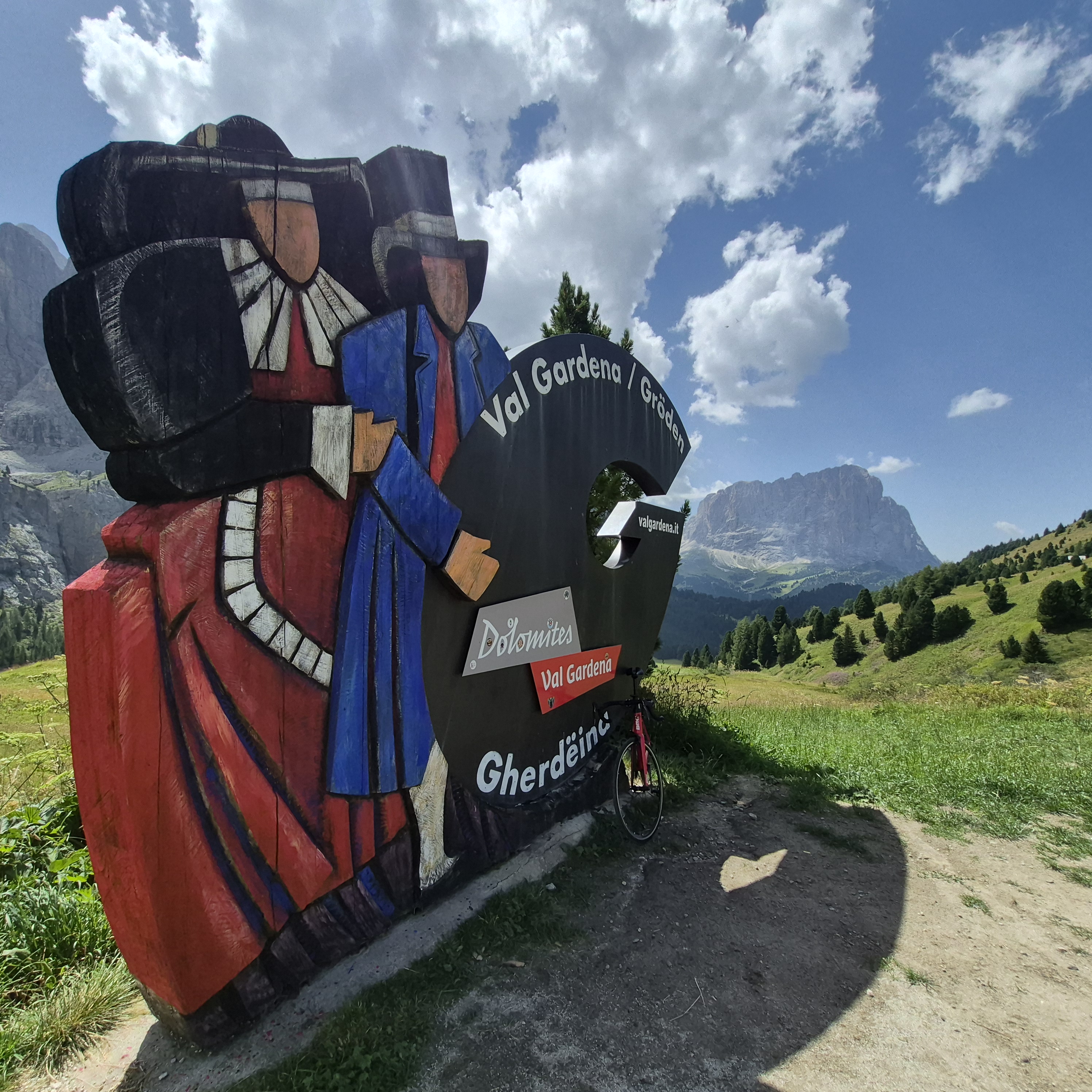
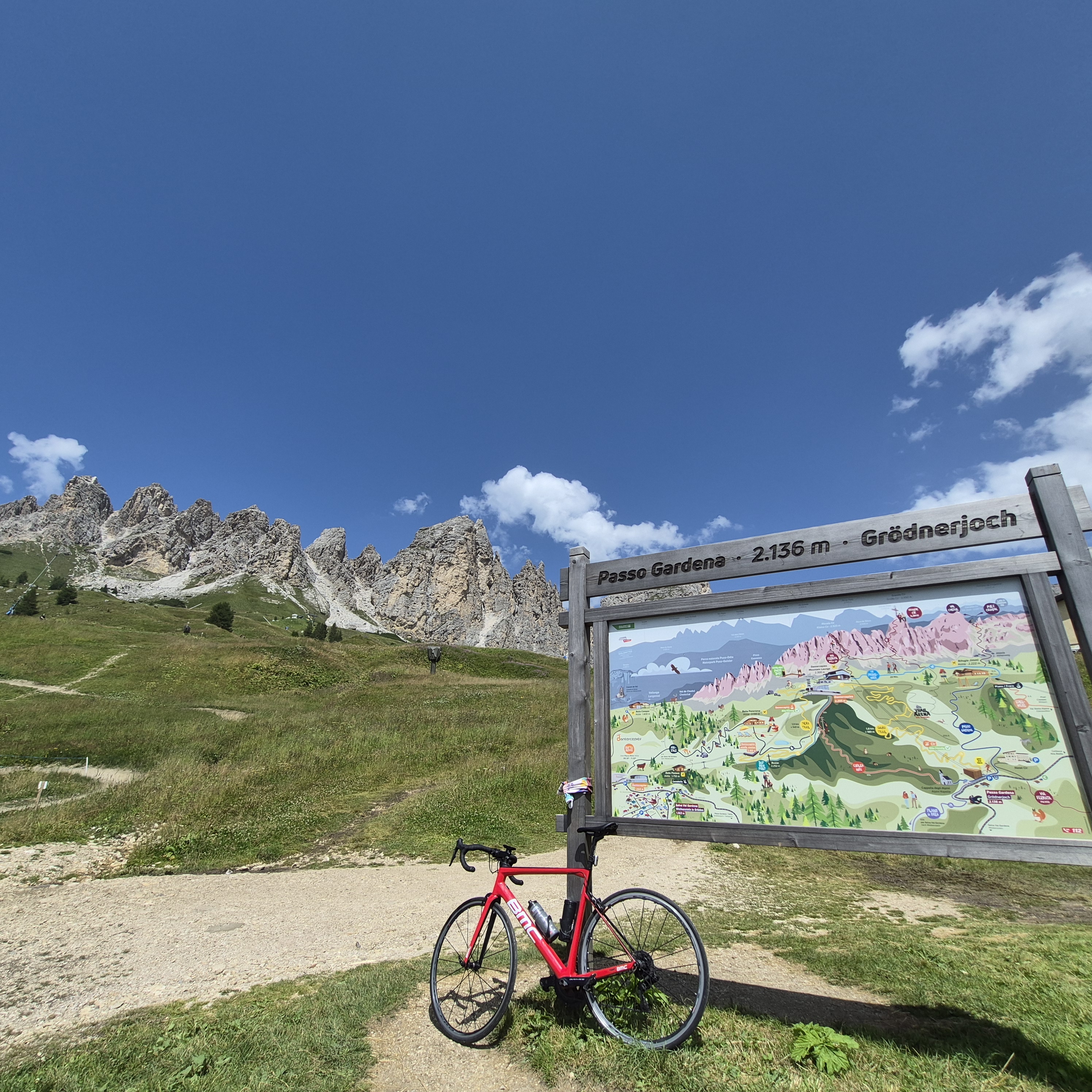
Passo Gardena da Corvara in Badia
| Lunghezza | Altezza | Pendenza Media % | Scalata il |
| 9.6 | 599 | 6.2 | 5 August 2026 |
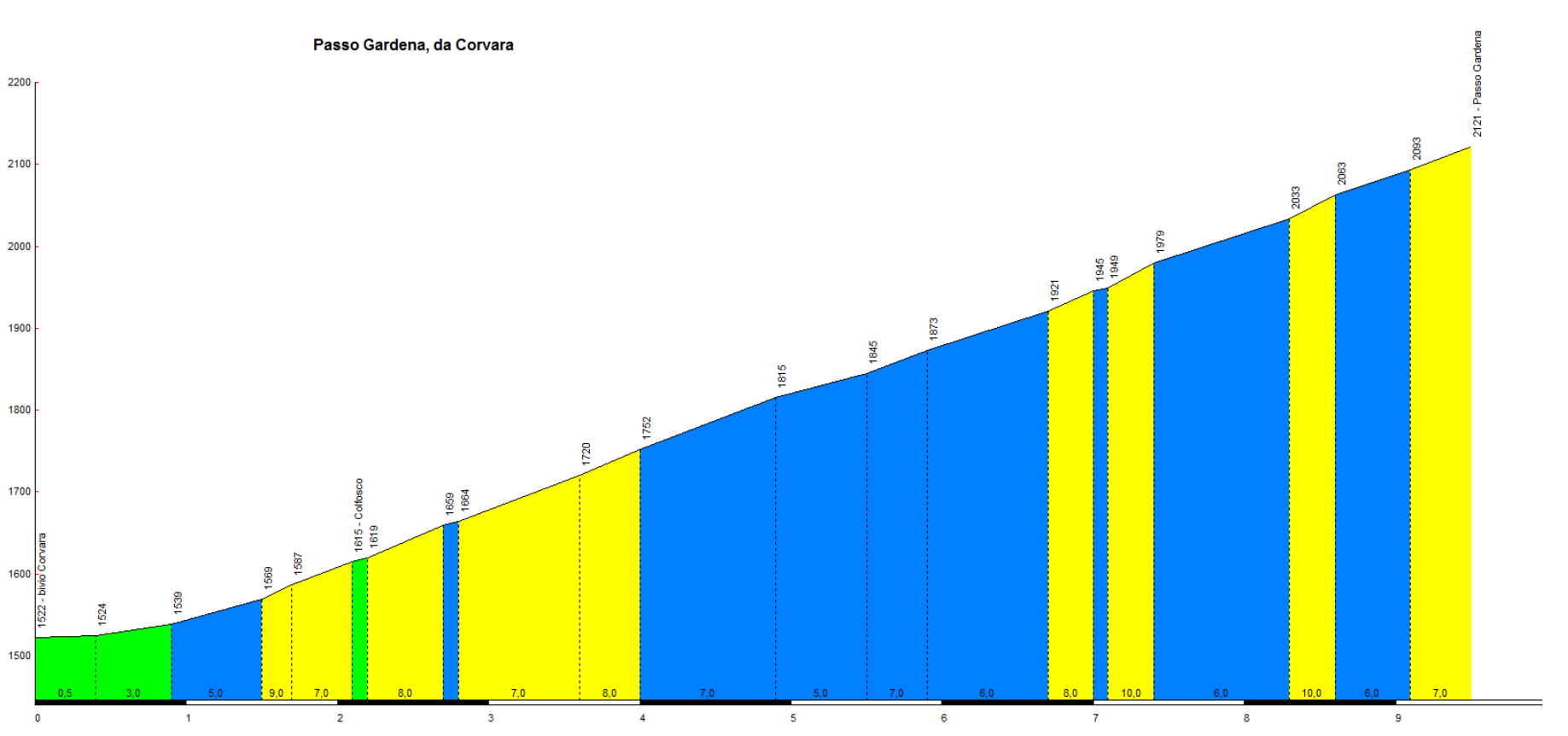
Passo Gardena (2,121 m) bridges the history of the Giro d’Italia with the magic of the Sellaronda alpine circuit.
Together with Passo Sella, Passo Pordoi, and Passo Campolongo, it forms the famous “Four Passes” loop in the Dolomites—a must-visit destination for any cyclist. It is one of the iconic passes of the world’s most famous international granfondo, where thousands of enthusiasts put their endurance to the test. The climb has hosted memorable stages of the Corsa Rosa, set amidst the toughest and most spectacular Dolomite scenery.
Passo Gardena was included in the Giro d’Italia route for the first time in 1949, specifically during the eleventh stage from Bassano del Grappa to Bolzano; Fausto Coppi was the first to reach the summit.
Its hairpin bends offer unique views of the rock faces of the Sella Group and Sassolungo.