Monuments and other climbs
Oude Kwaremont from Kluisbergen
| Lenght | Elevation | Average Gradient % | Done |
| 2.2 | 93 | 4.2 | 22 June 2026 |
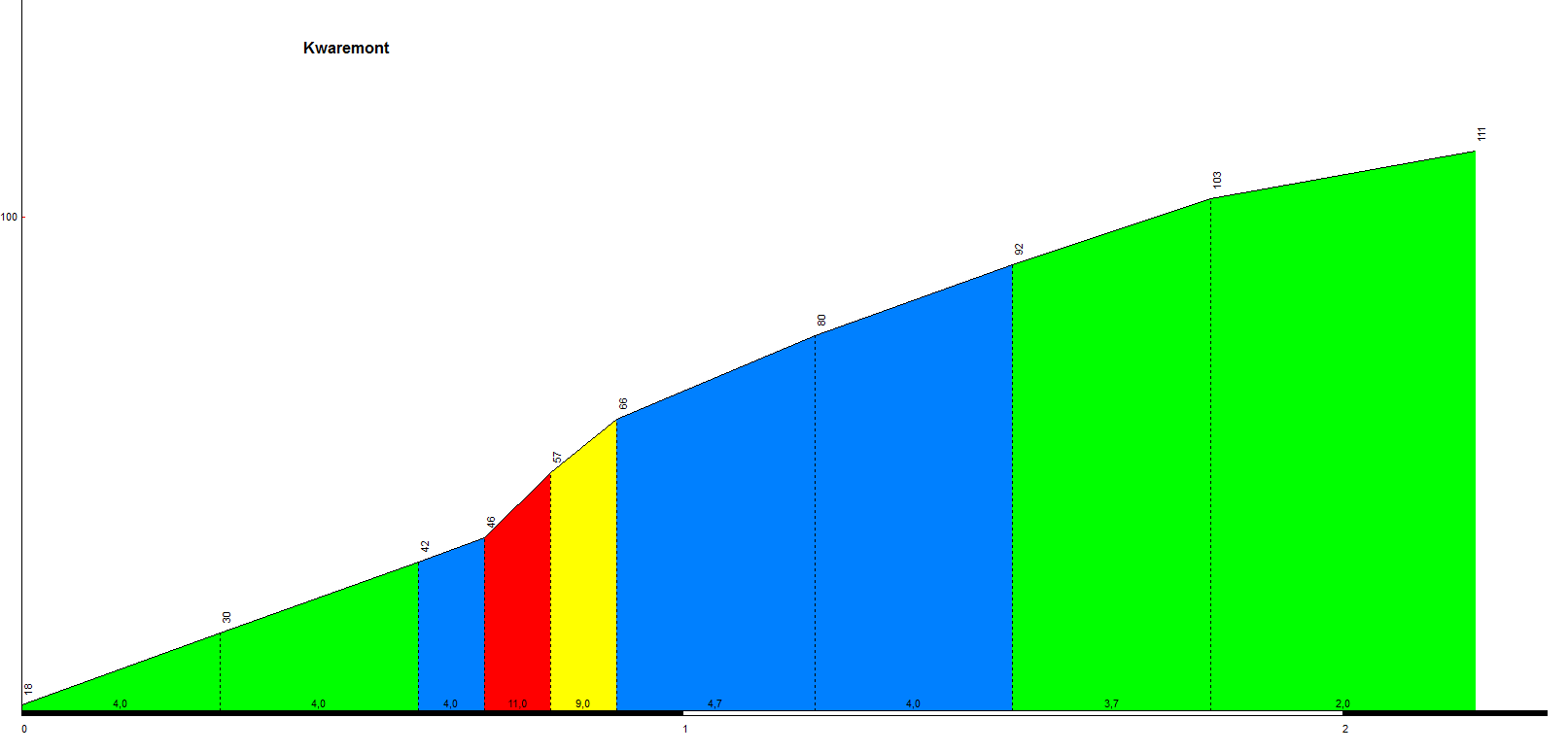
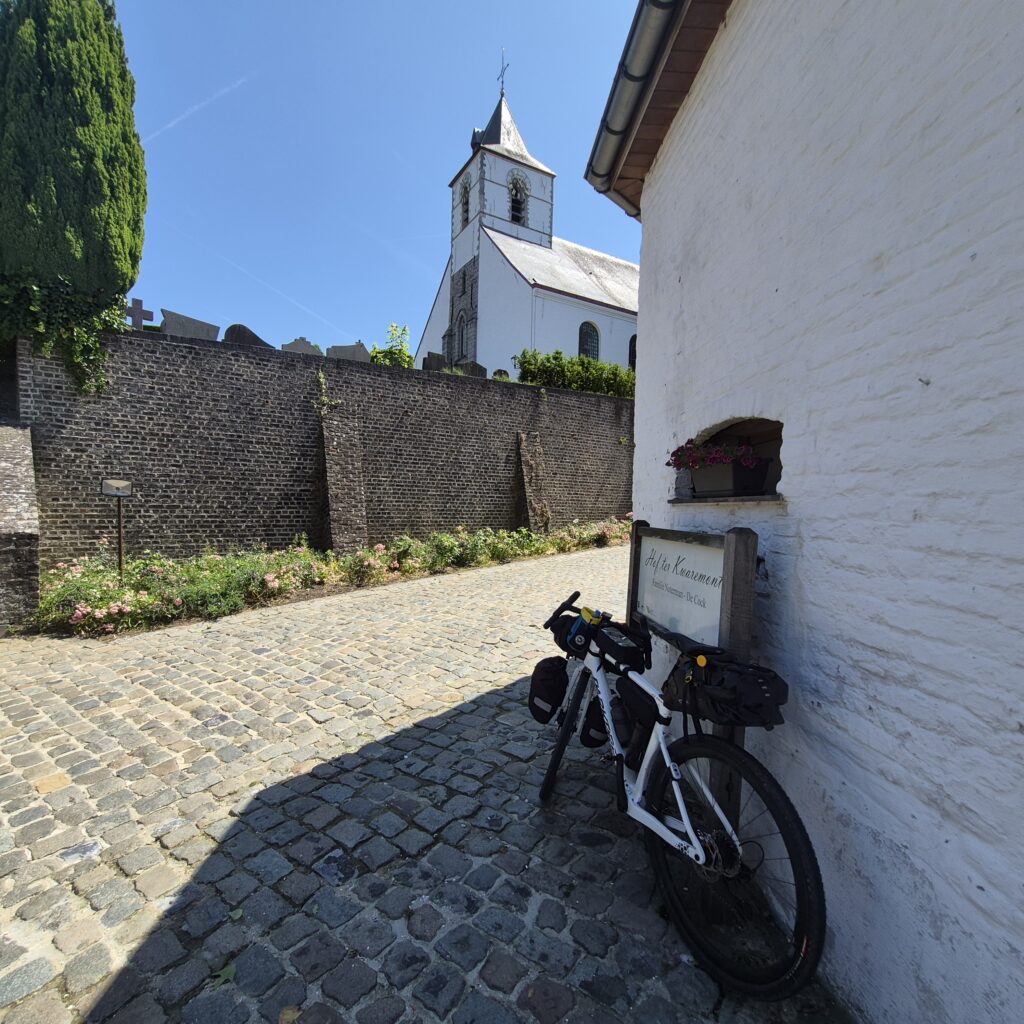
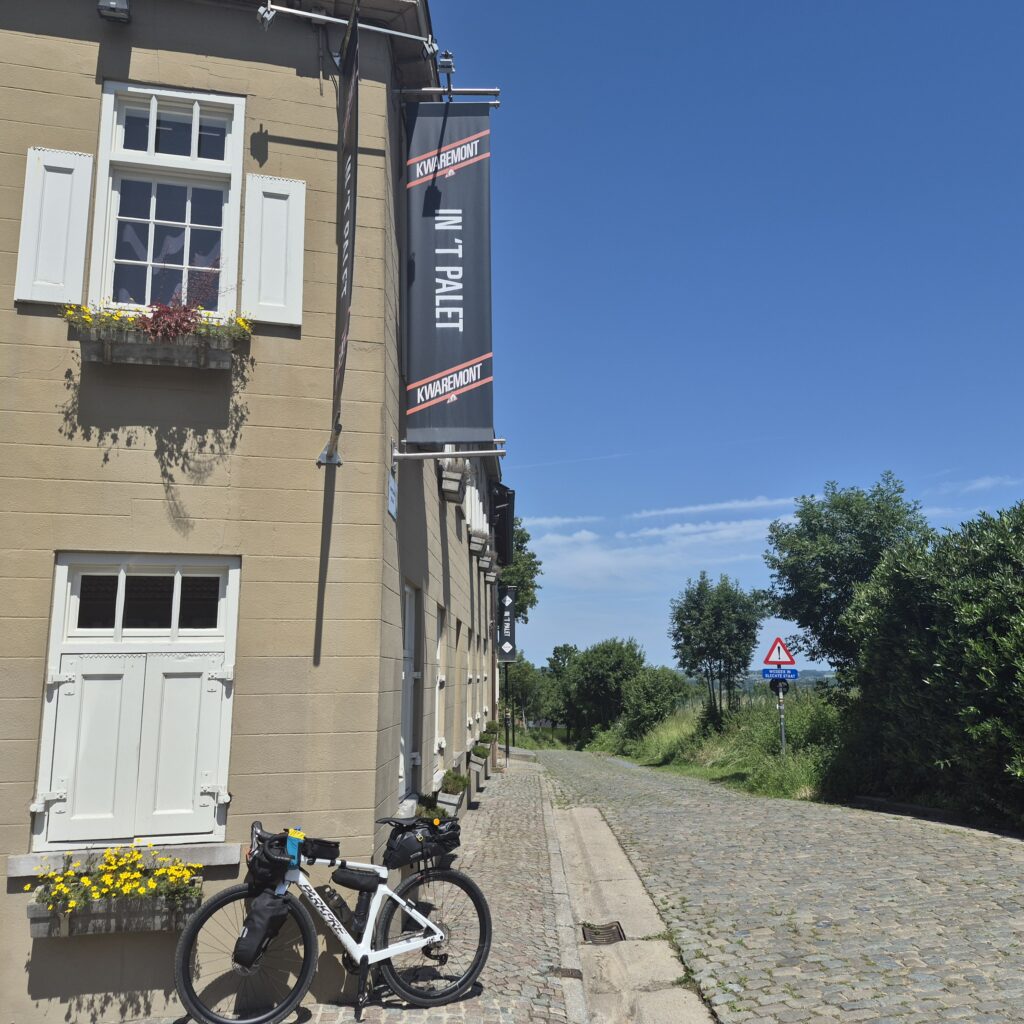
The Oude Kwaremont is the longest and most iconic of the cobbled climbs in the Tour of Flanders, capable of wearing down riders with its combination of length, rough surface, and stadium-like atmosphere.
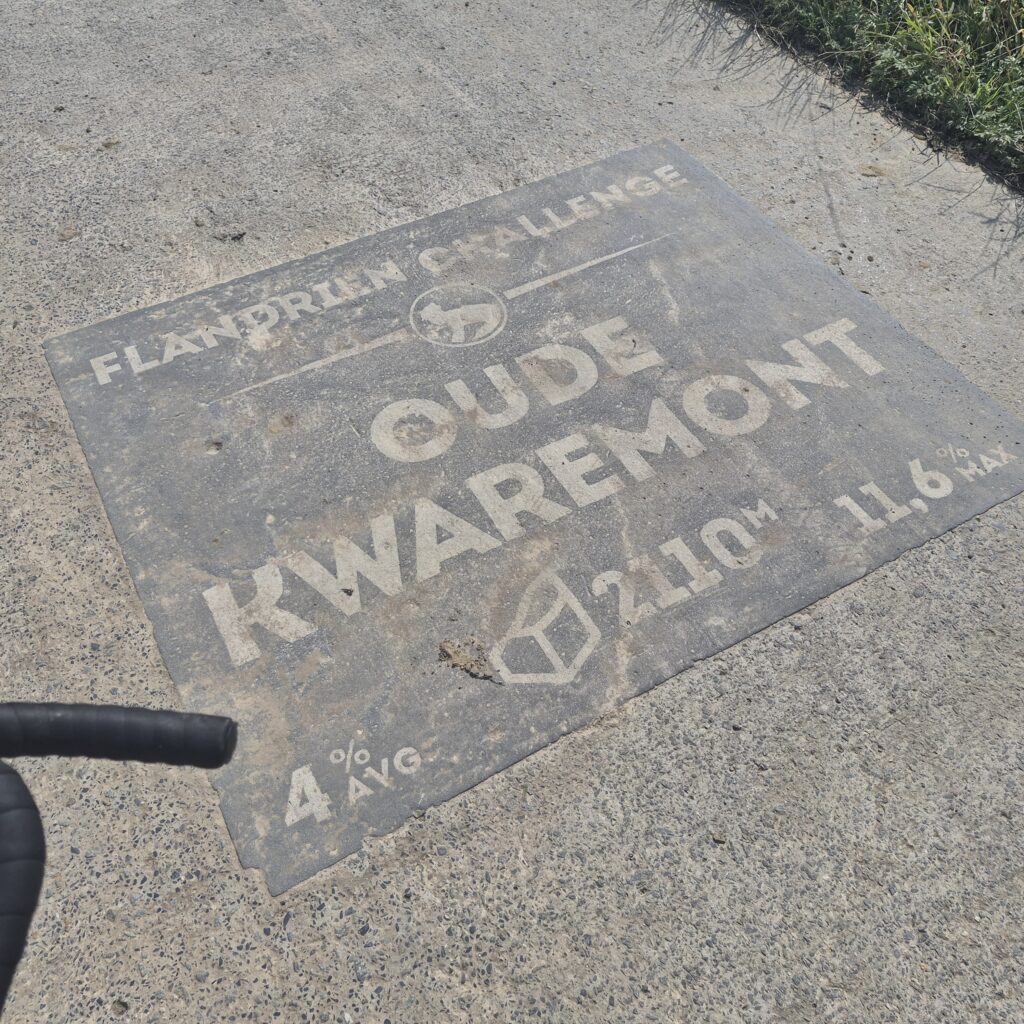
At 2.2 km in length, it is the region’s longest cobbled climb. While it lacks extreme gradients—averaging 4% with a maximum of around 11%—the cobblestones gradually sap the riders’ energy.
It is the beating heart of the Ronde. Tackled multiple times during the race, it becomes the ultimate arbiter where champions launch their decisive attacks.
Massive crowds line the roadside and packed grandstands transform the climb into a veritable open-air amphitheater.
Included in the route since 1974, its name derives from a mix of Flemish (kwade, meaning “bad”) and French (remonte, meaning “ascent”)—a truly “rude awakening” for the cyclists’ legs.
In the early days of the climb’s inclusion—specifically in 1975—Eddy Merckx launched an attack that would seem insane by today’s standards. There were still 104 kilometers to the finish when “The Cannibal” launched a brutal attack on the Kwaremont alongside Frans Verbeeck. The pair held off the peloton for nearly a hundred kilometers before Merckx dropped his companion 6 km from the line, going on to claim a solo victory in Oudenaarde.
The 2013 edition saw the Kwaremont bear witness to the devastating power of Fabian Cancellara. The Swiss rider accelerated over the cobbles with an unstoppable surge, crushing Peter Sagan’s resistance. This move paved the way for “Spartacus” to embark on a memorable solo ride to victory.
In 2019, during the third and final ascent of the Oude Kwaremont—roughly 18 km from the finish—Alberto Bettiol got the green light from his team and launched a lightning-fast attack. He gained a handful of seconds at the top of the climb, held off the world’s top specialists on the Paterberg, and claimed the Tour of Flanders as a true underdog.
In 2023, in one of the fastest and most spectacular editions ever, Tadej Pogačar delivered a monumental performance. After having already put his rivals under immense pressure during earlier climbs, the Slovenian launched his decisive attack on the final ascent of the Oude Kwaremont. Displaying impressive agility on the cobblestones, he decisively dropped specialist Mathieu van der Poel and Mads Pedersen, powering toward the finish line to write his name into the exclusive club of Ronde winners.
Colle del Ghisallo from Bellagio (Giro di Lombardia)
| Lenght | Elevation | Average Gradient % | Done |
| 10.6 | 552 | 5.2 | 3 November 2024 |
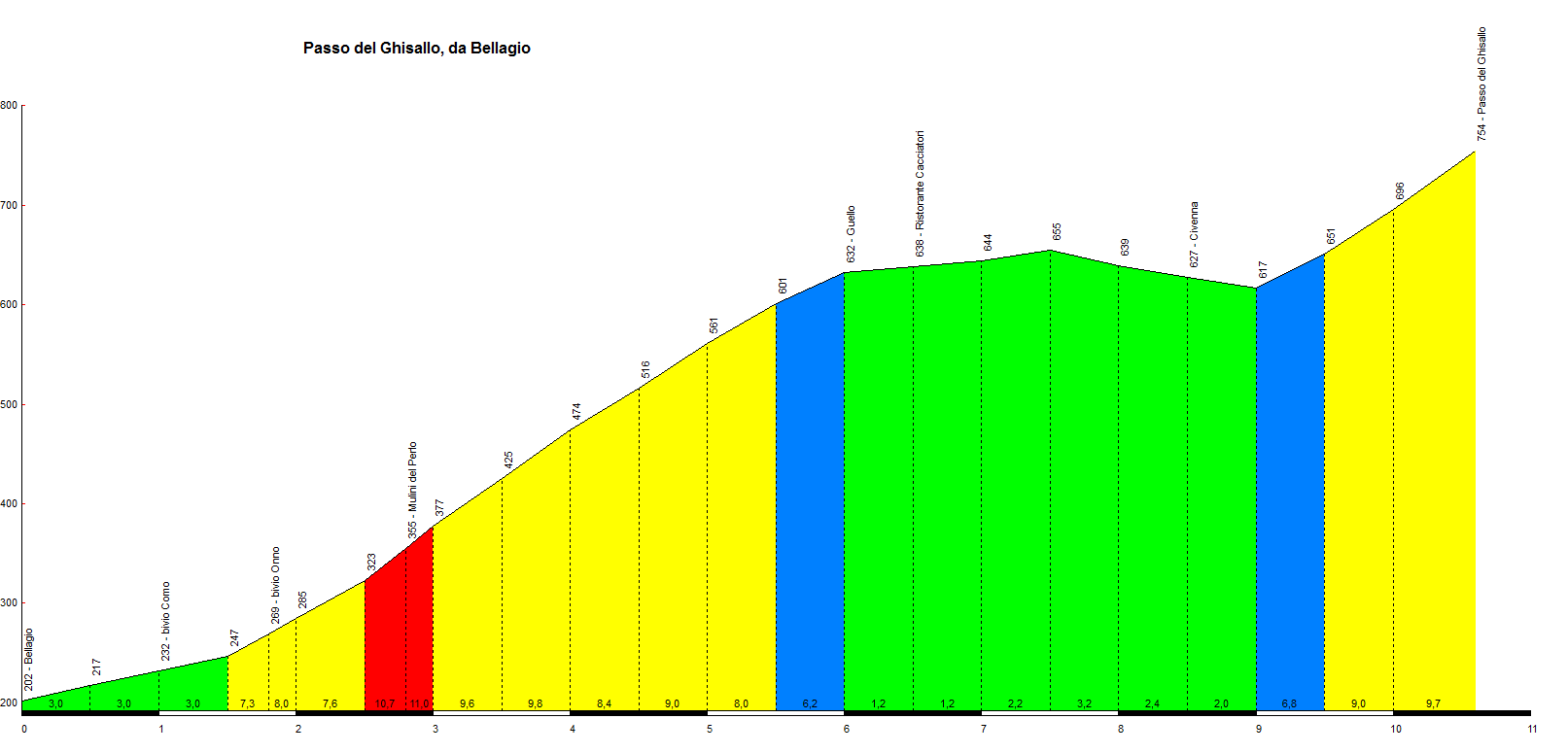
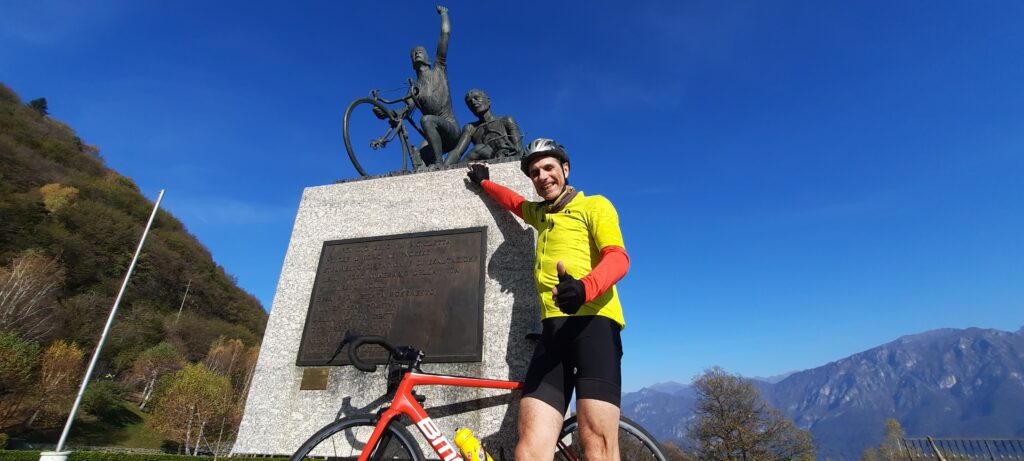
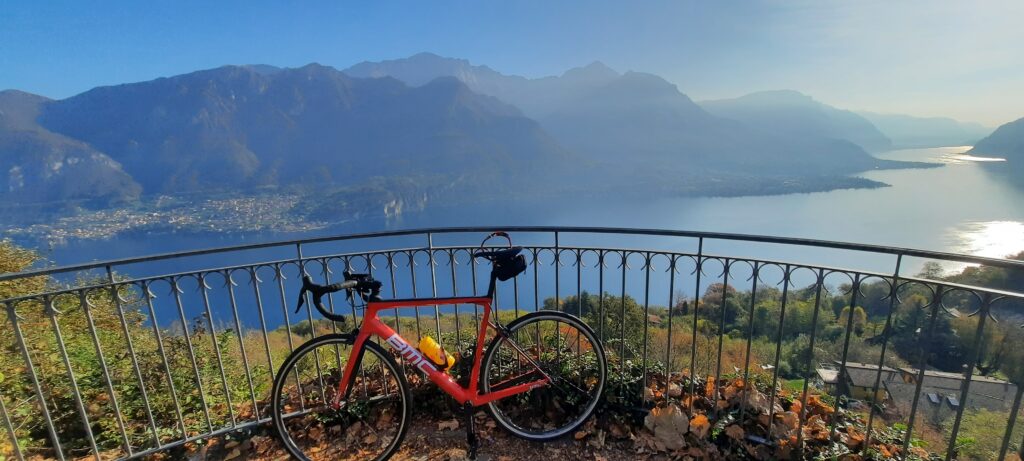
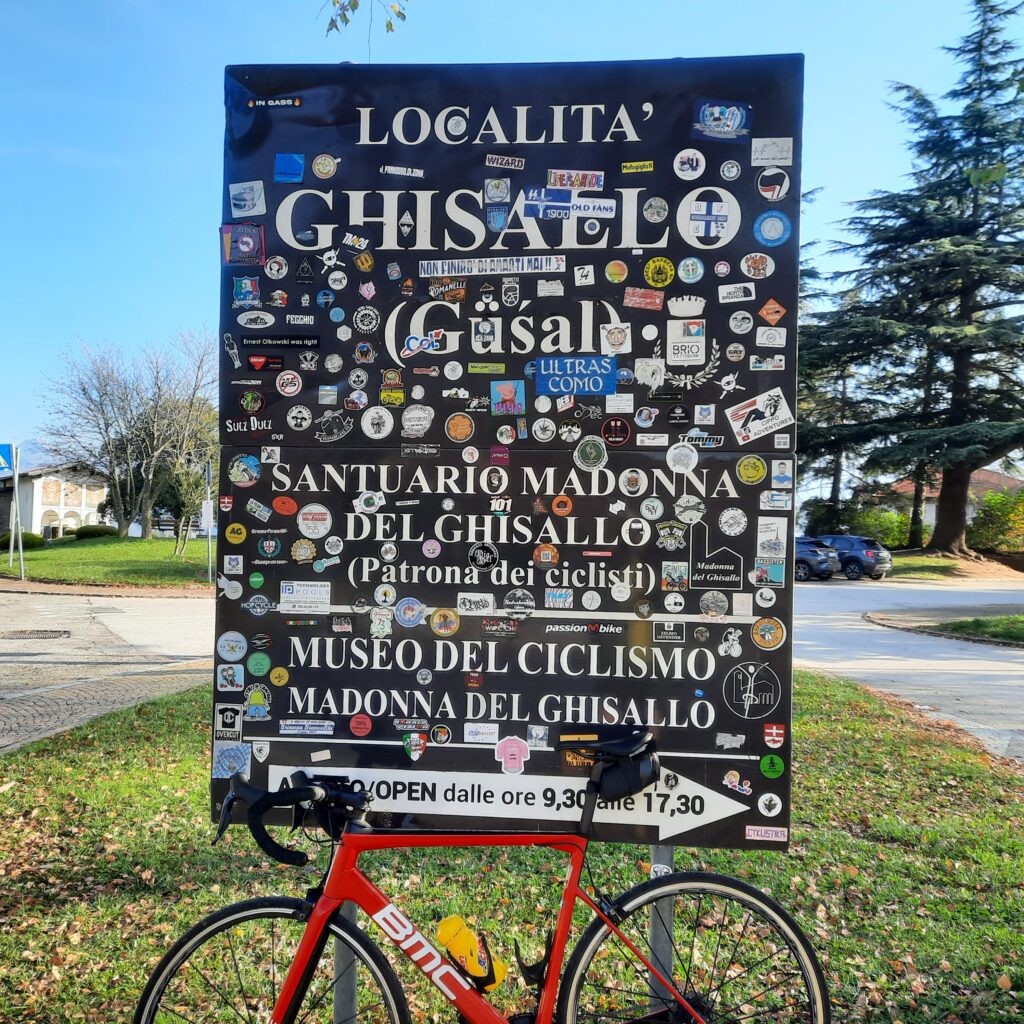
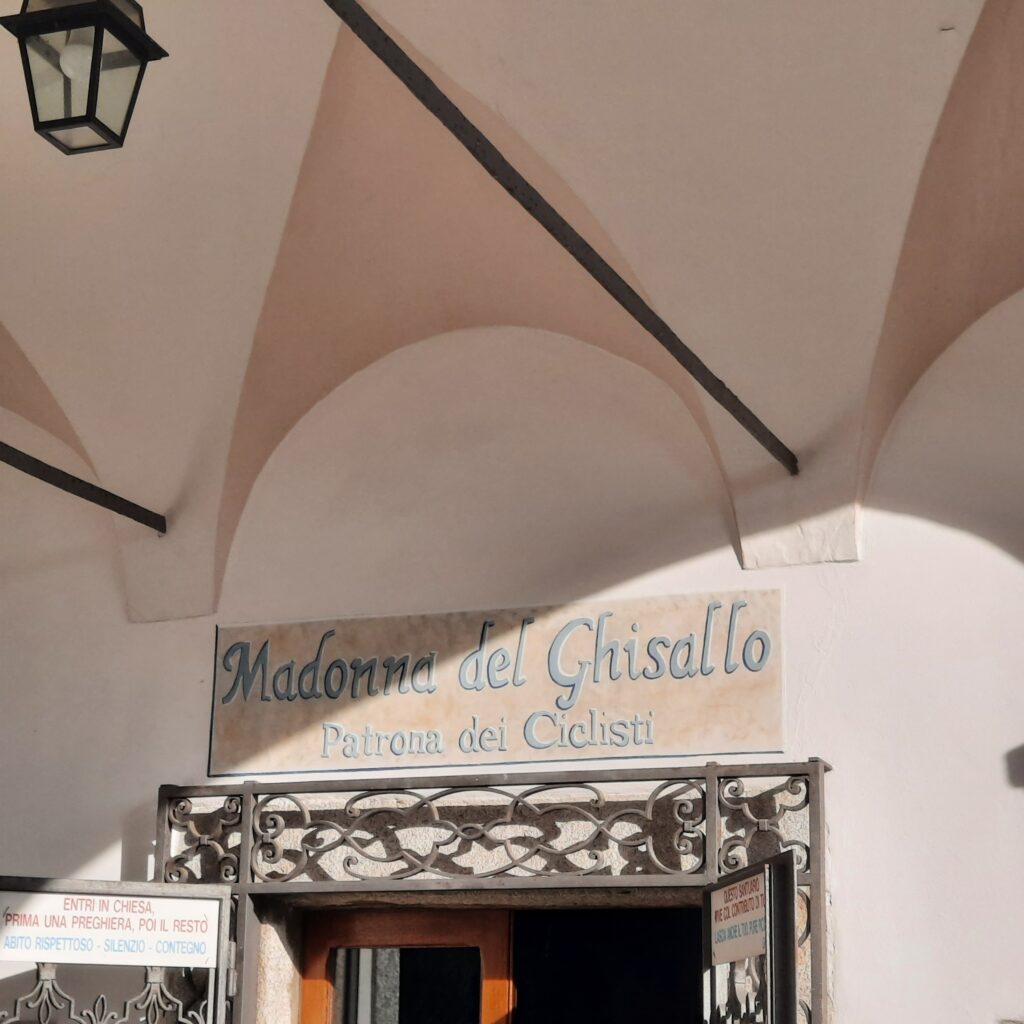
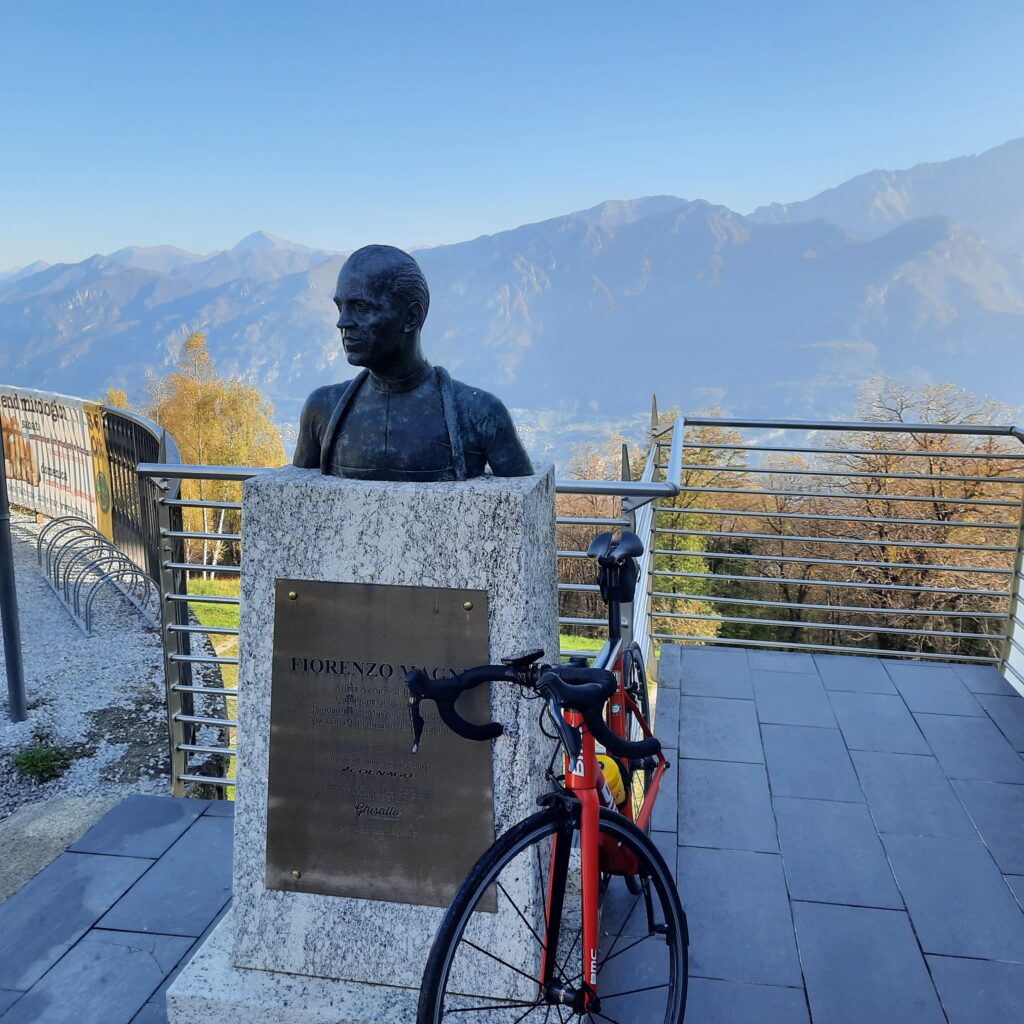
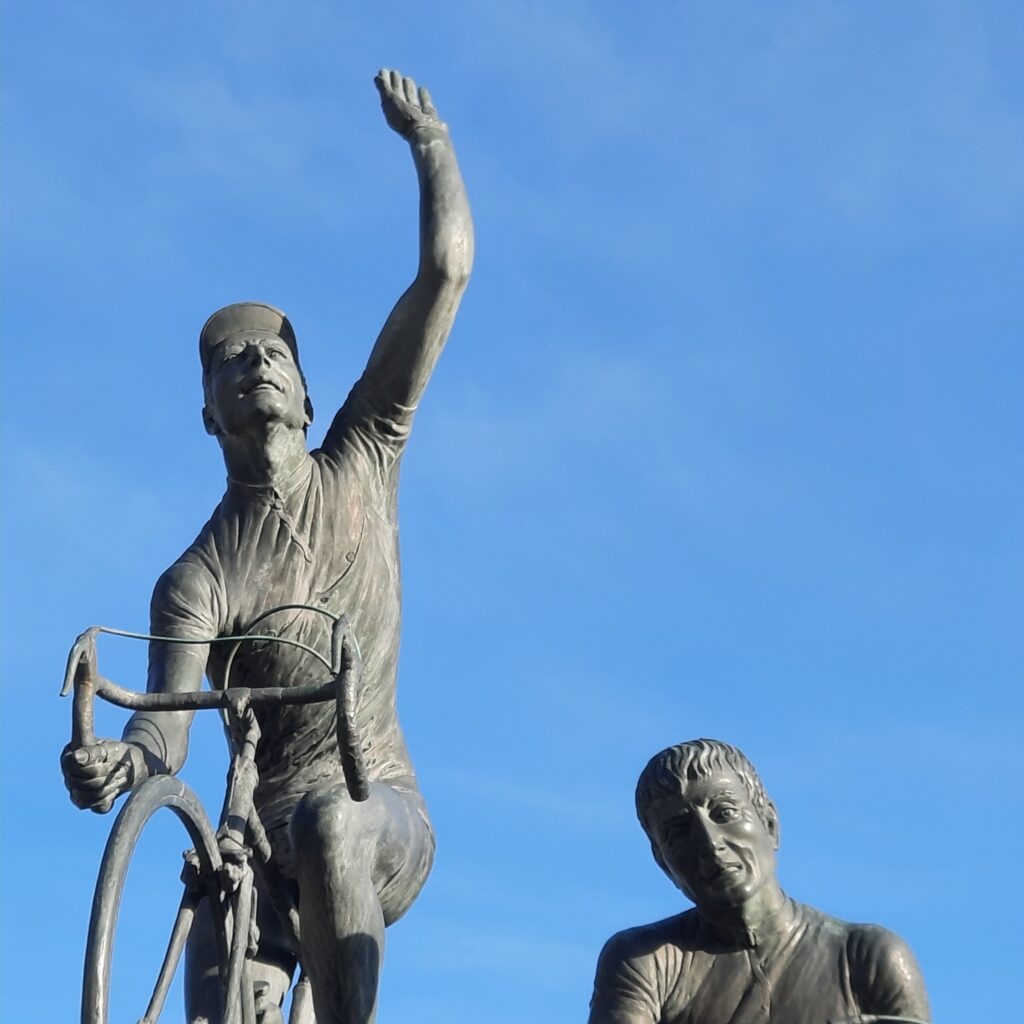
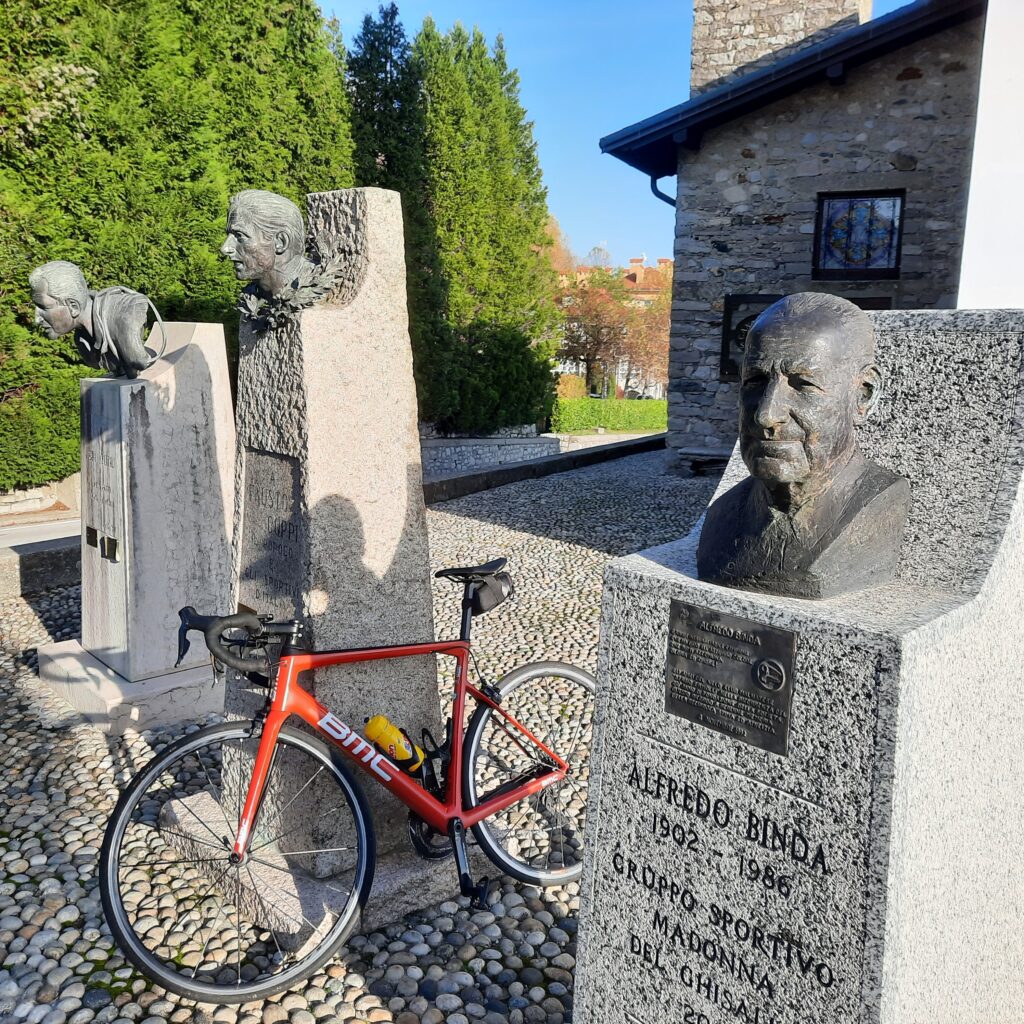
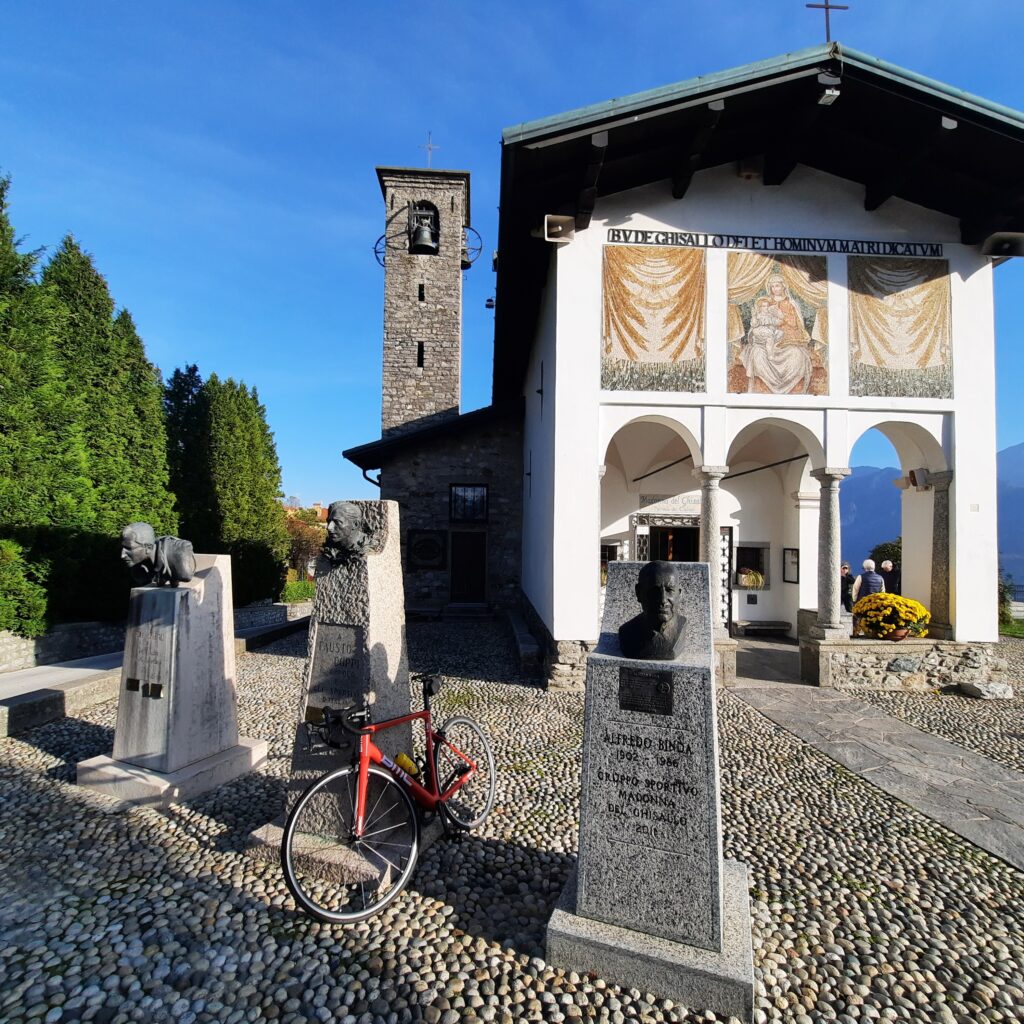
The Ghisallo Pass embodies the history of the Giro di Lombardia, the spirituality of the Sanctuary of the Madonna del Ghisallo—proclaimed the patron saint of cyclists—and the memory of great champions like Coppi and Bartali.
A fixture of the Giro di Lombardia route since 1919, it has been the stage for epic battles between history’s greatest cyclists.
At the summit stands the small church of the Madonna del Ghisallo; in 1949, Pope Pio XII declared her the universal patron saint of cyclists at the behest of Father Ermelindo Viganò.
The sanctuary houses memorabilia, historic jerseys, and bicycles that belonged to sporting legends.
While the climb is not prohibitively difficult in terms of gradient or length (approximately 9.5 km with an average gradient of under 6%), it represents a true site of secular and spiritual pilgrimage for cyclists.
Poggio di Sanremo from Bussana (Milano Sanremo)
| Lenght | Elevation | Average Gradient % | Done |
| 4 | 149 | 3.7 | 3 February 2024 |
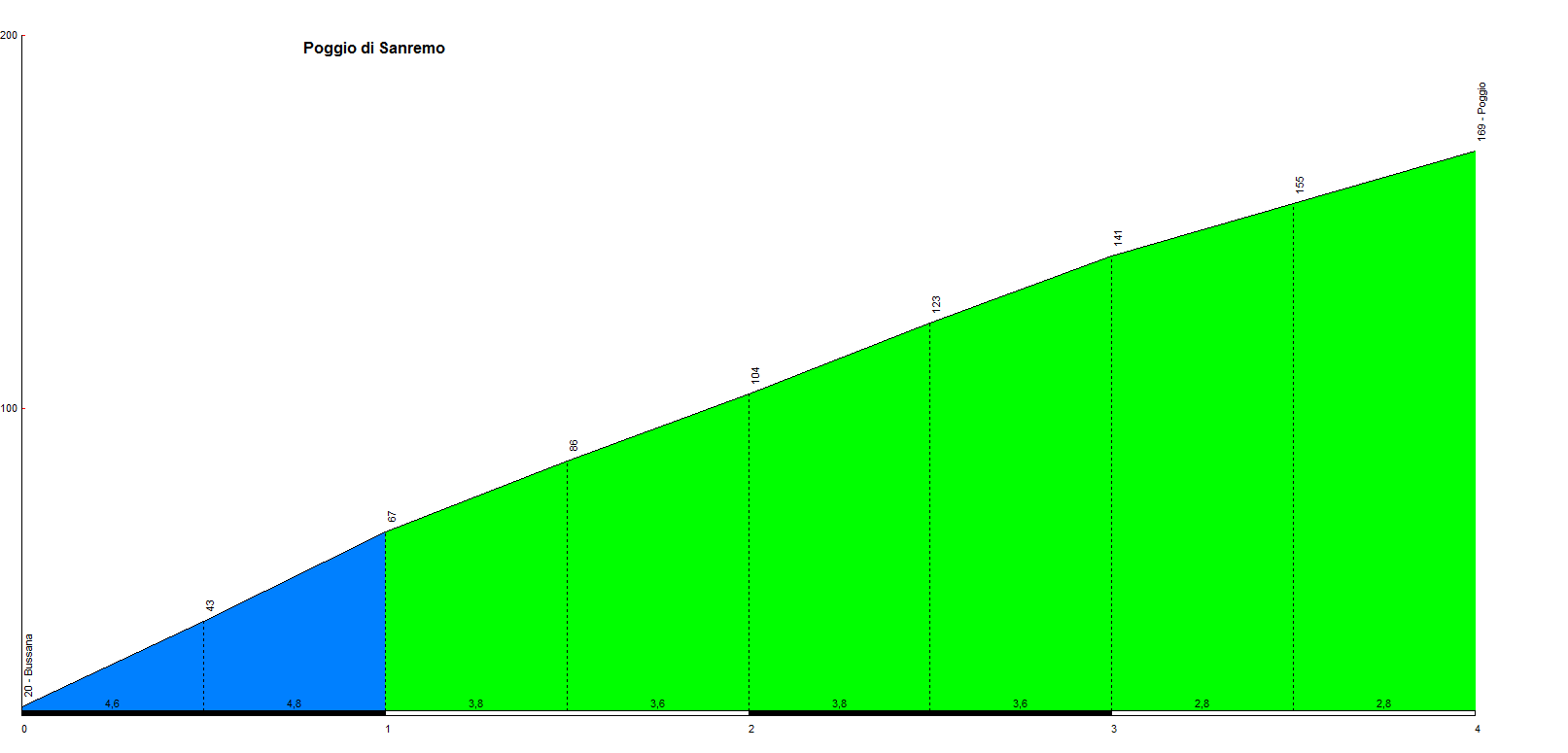
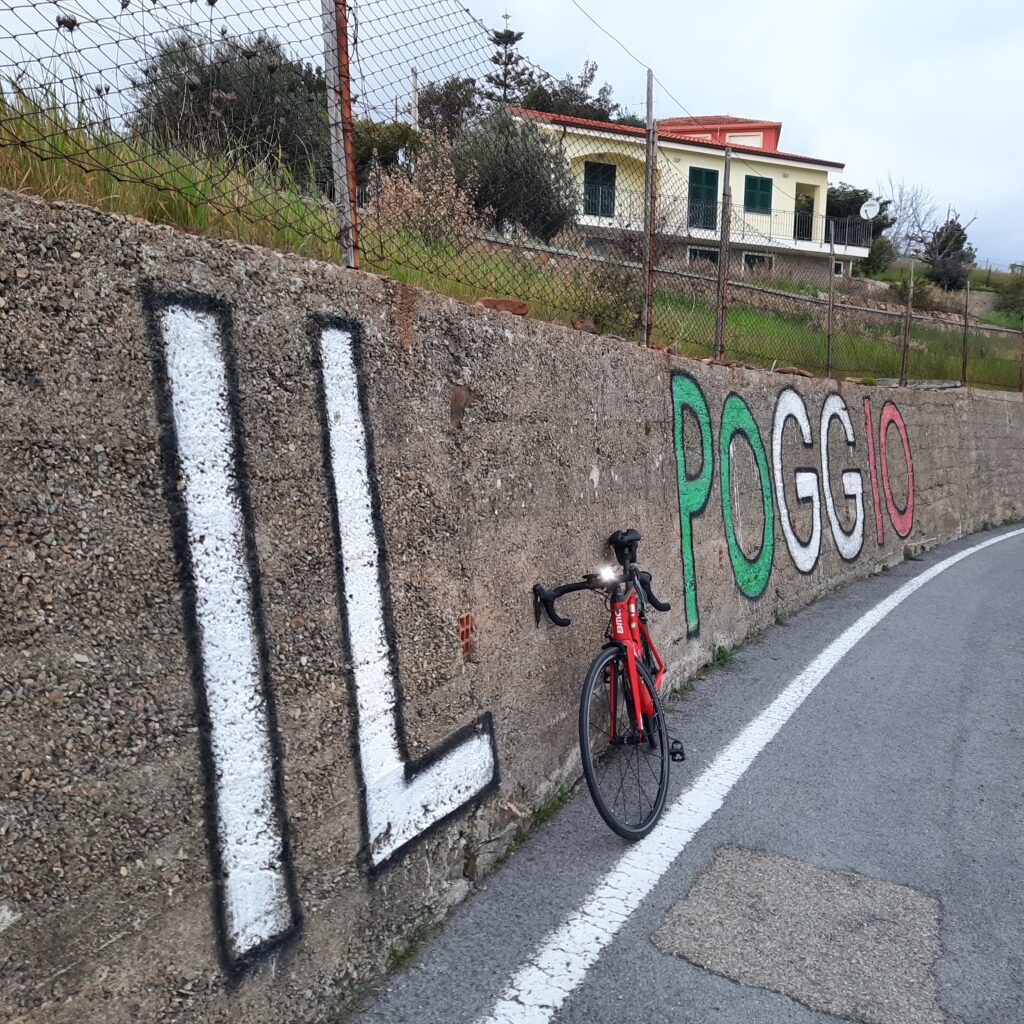
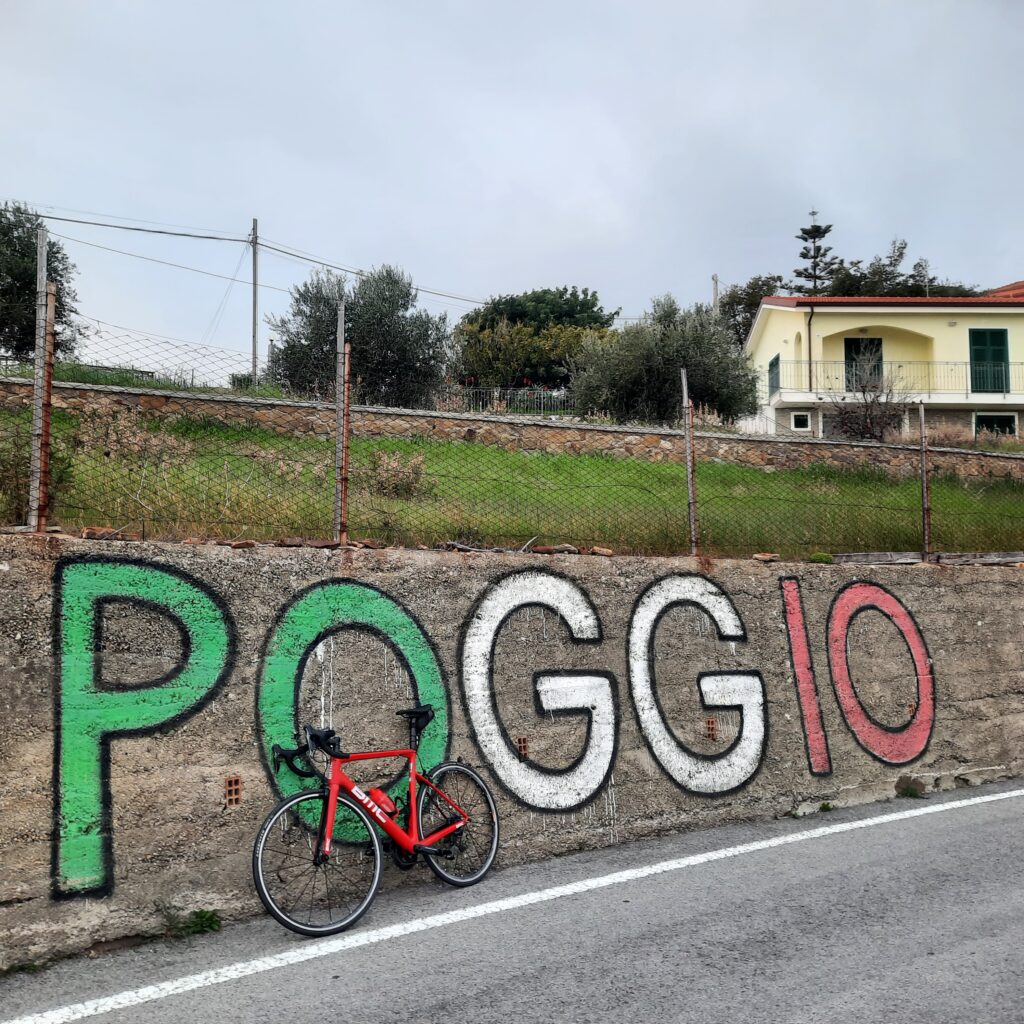
The Poggio di Sanremo climb is the ultimate arbiter and the decisive launchpad for attacks in Milano-Sanremo, one of cycling’s five “Monument” classics.
It is a short ascent—spanning approximately 3.7 kilometers—with an average gradient of 4% and peaks of 8% near the summit. Riders tackle it after having already covered more than 280 kilometers of racing. Professionals take it on at very high speeds, often exceeding 38–39 km/h.
It was introduced in 1960 by race organizer Vincenzo Torriani to break the monopoly of bunch sprints and make the race more unpredictable and spectacular.
While not exceptionally difficult on paper, its location just 5.5 kilometers from the finish line on Via Roma offers the perfect final opportunity to attack, make a decisive move, and hold off the pure sprinters.
It is the stage where great champions—such as Felice Gimondi, Eddy Merckx, Maurizio Fondriest, Erik Zabel, Vincenzo Nibali, and Mathieu van der Poel—have cemented their legacies, pulling off memorable moves on either the ascent or the descent.
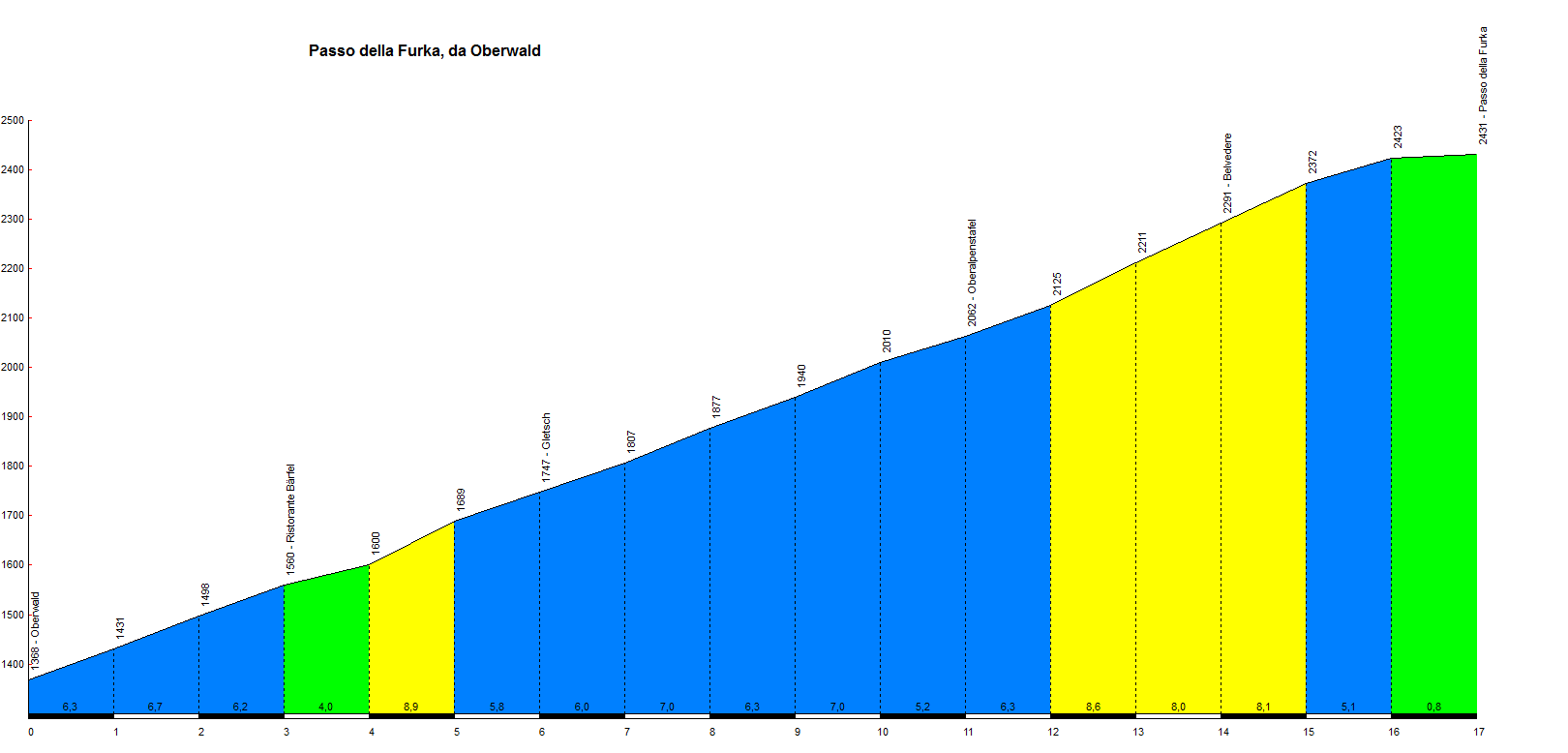
Furkapass from Oberwald
| Lenght | Elevation | Average Gradient % | Done |
| 16.5 | 1063 | 6.4 |
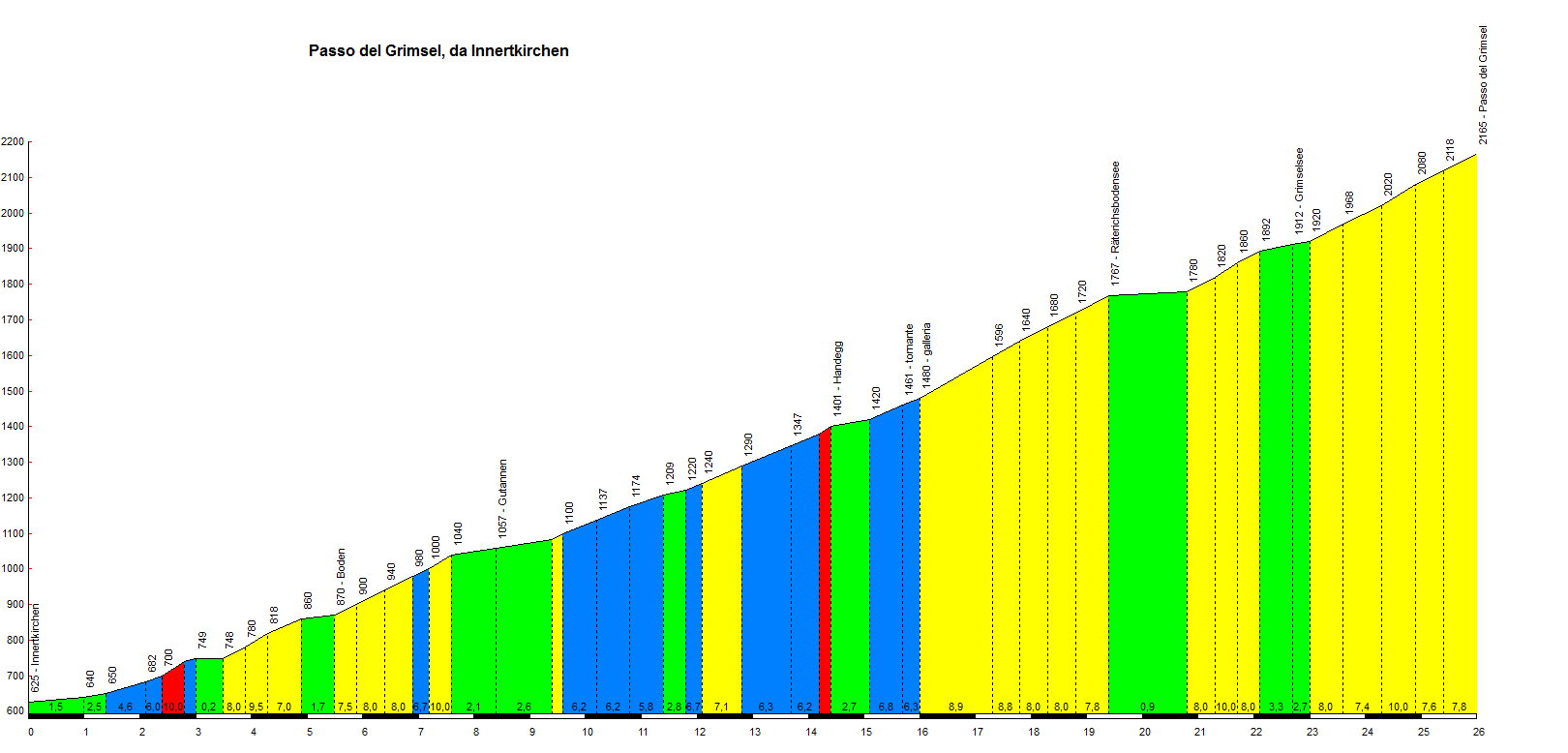
Grimselpass from Innertkirchen
| Lenght | Elevation | Average Gradient % | Done |
| 26 | 1540 | 5.9 |
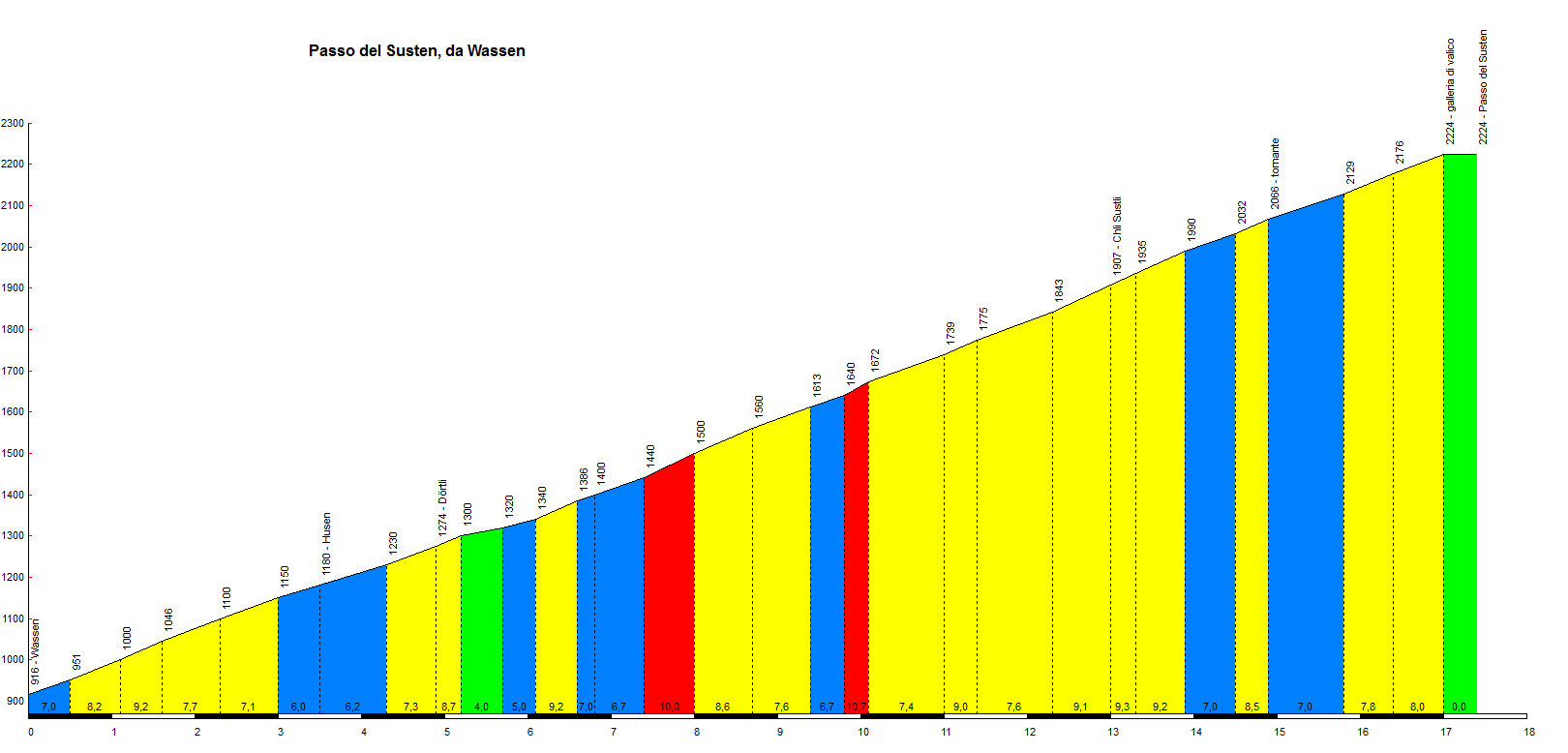
Sustenpass from Wassen
| Lenght | Elevation | Average Gradient % | Done |
| 17.4 | 1308 | 7.5 |
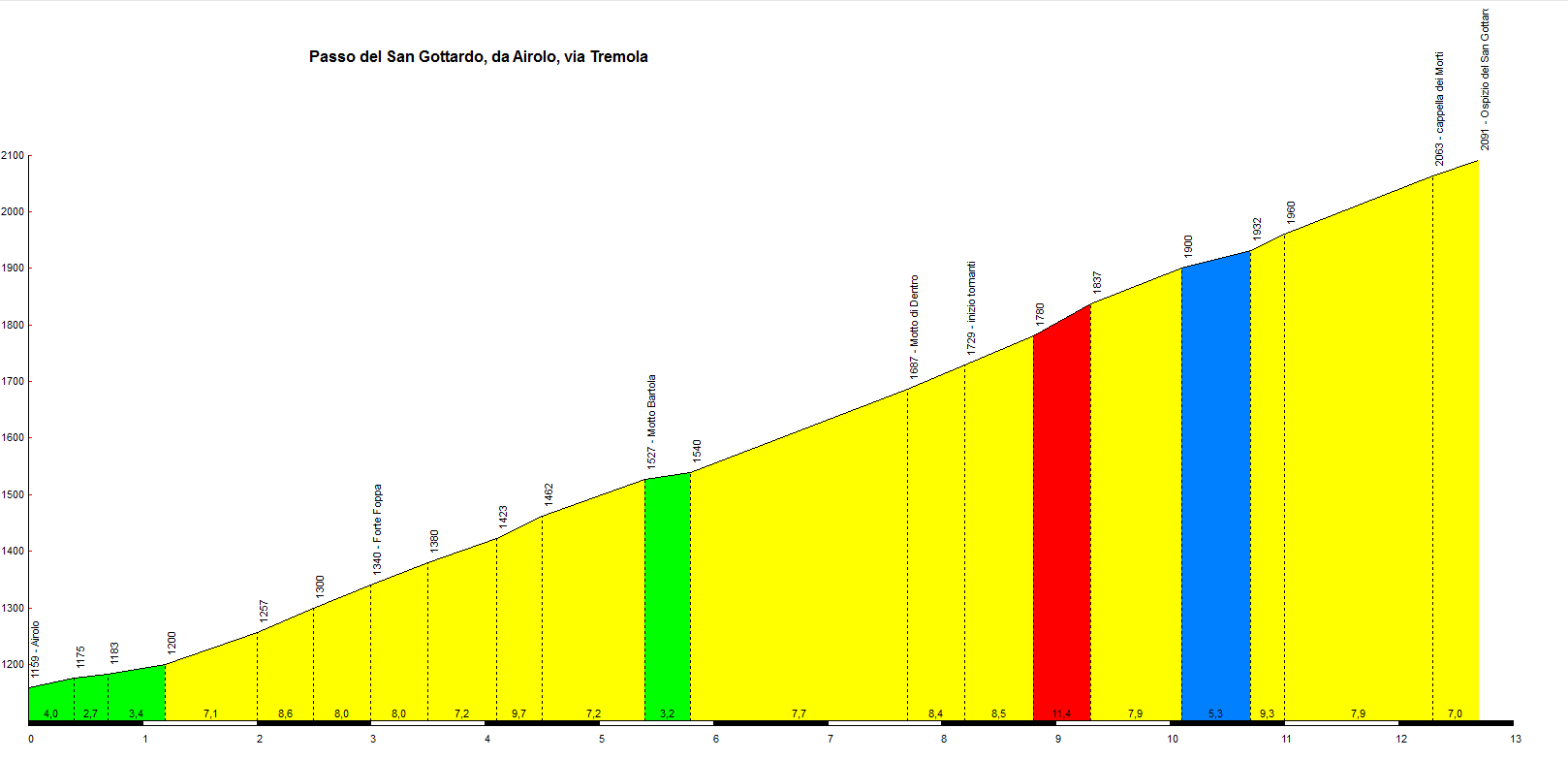
Passo del San Gottardo from Airolo
| Lenght | Elevation | Average Gradient % | Done |
| 12.7 | 932 | 7.3 |
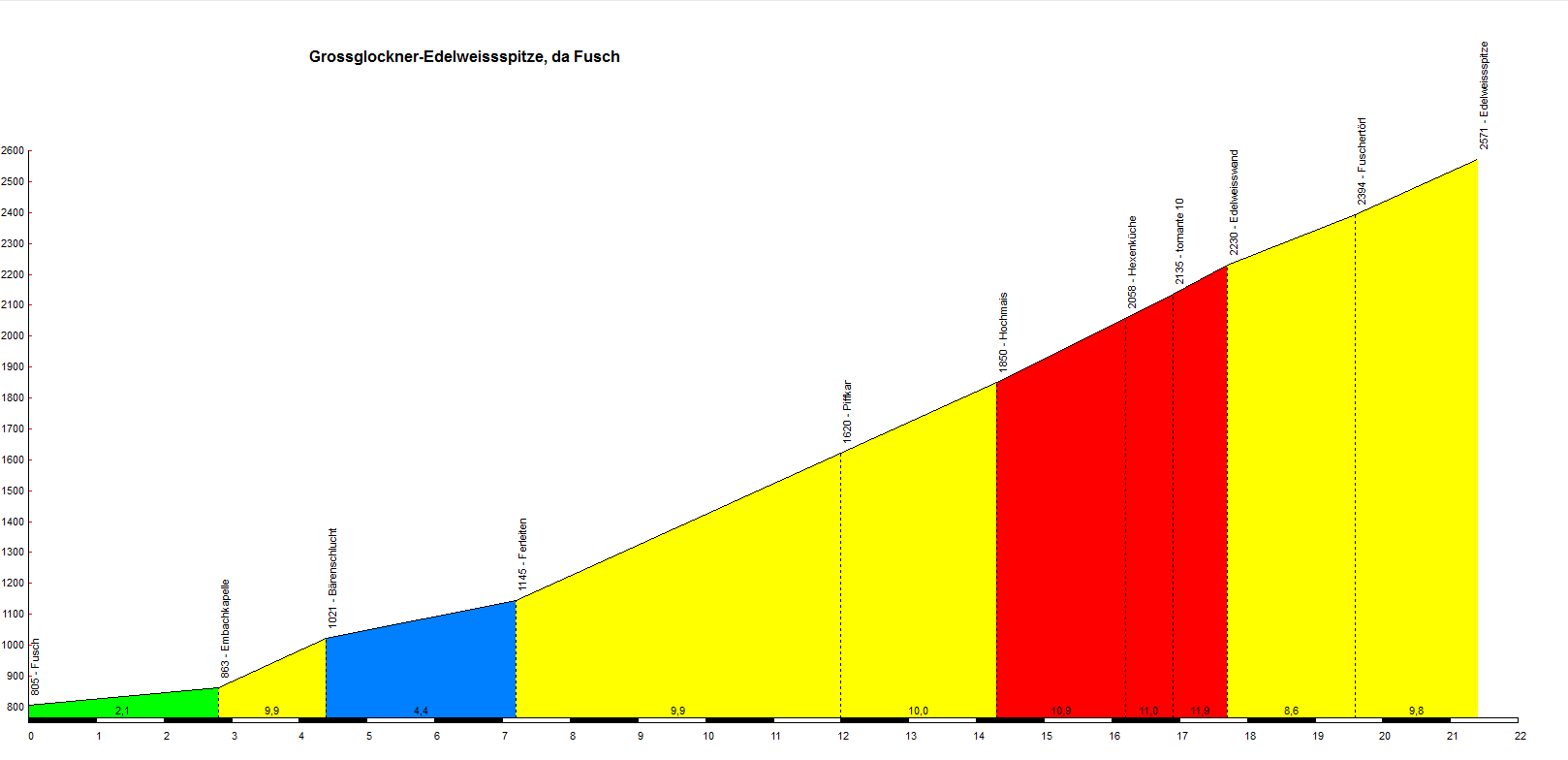
Grossglockner from Fusch
| Lenght | Elevation | Average Gradient % | Done |
| 21.4 | 1766 | 8.3 |
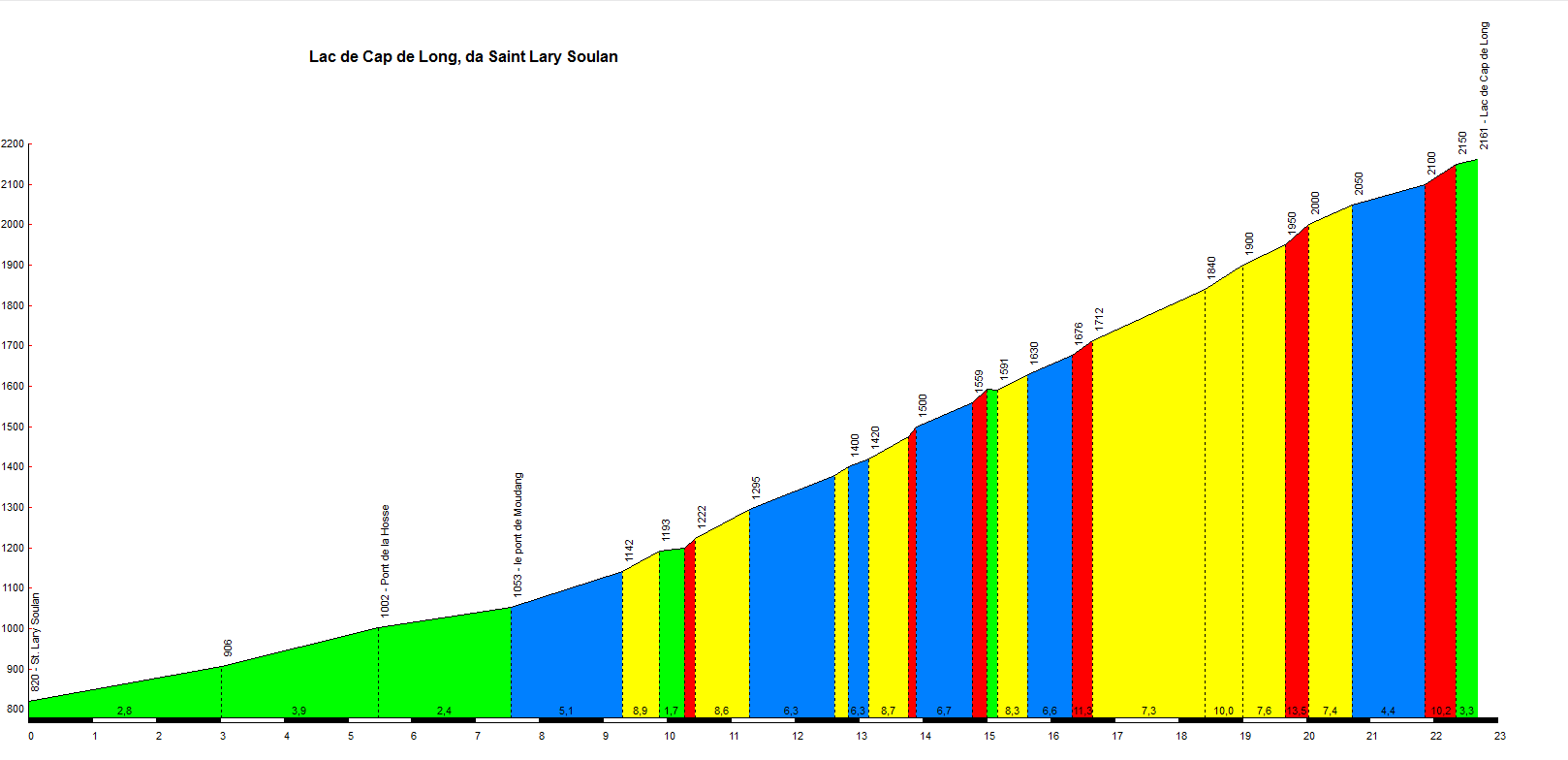
Cap de Long from Saint Lary Soulan
| Lenght | Elevation | Average Gradient % | Done |
| 22.6 | 1341 | 5.9 |
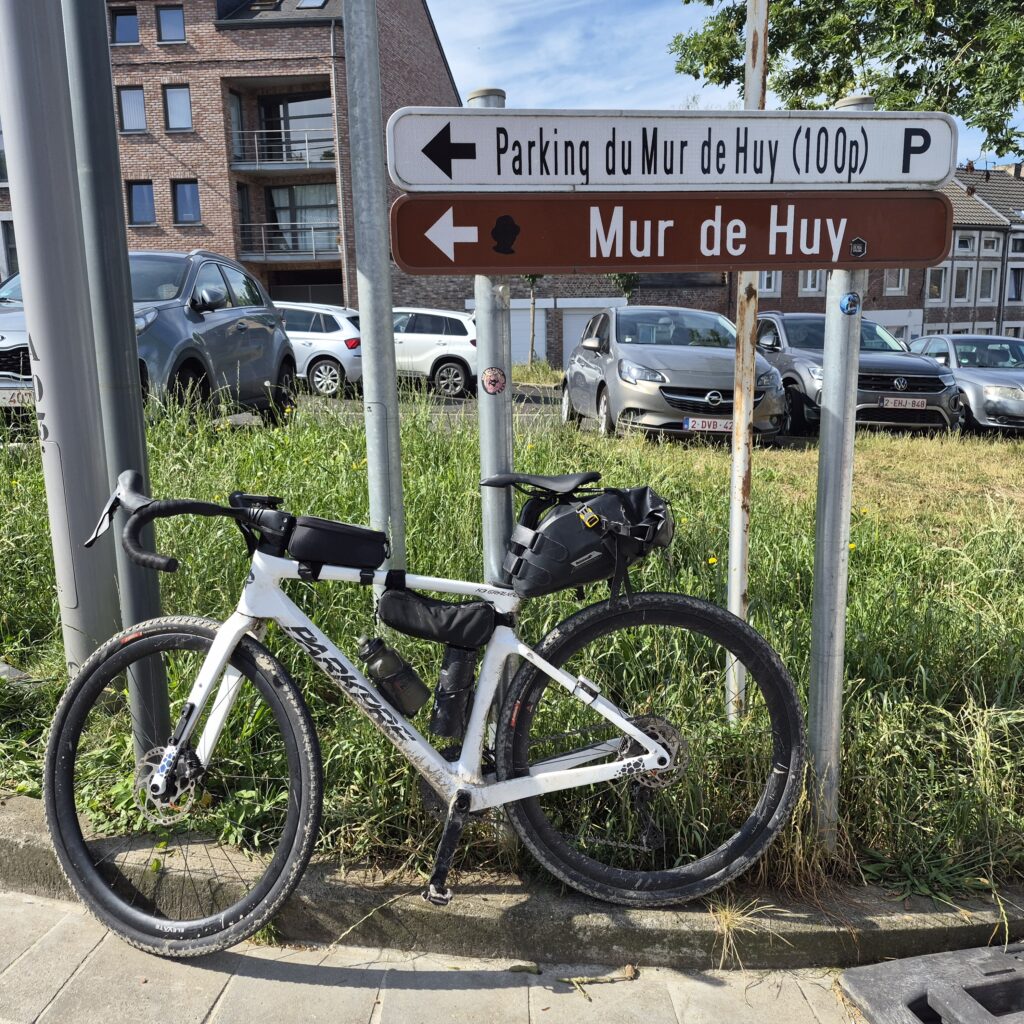
Mur de Huy from Huy (La Flèche Wallonne)
| Lenght | Elevation | Average Gradient % | Done |
| 1.3 | 128 | 9.8 | 29 June 2026 |
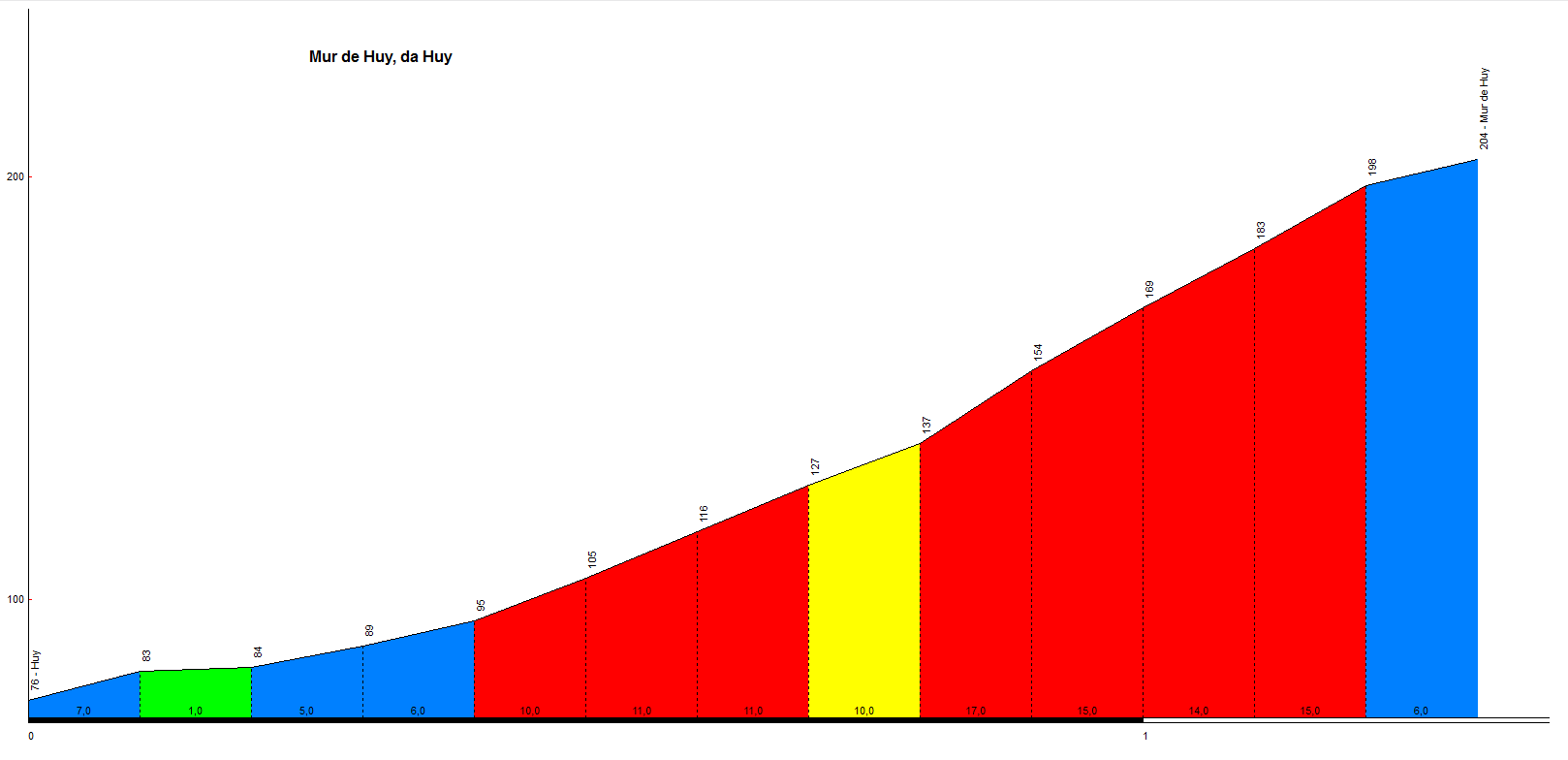
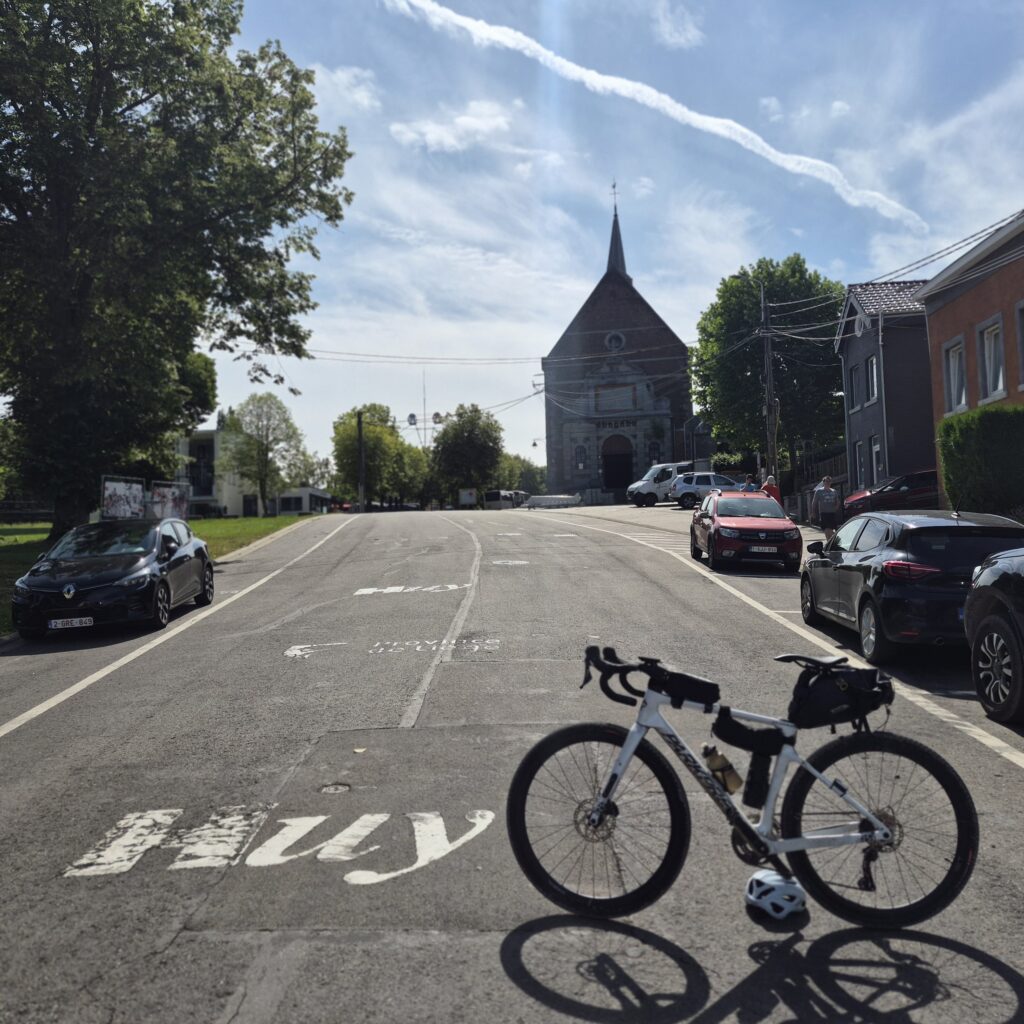
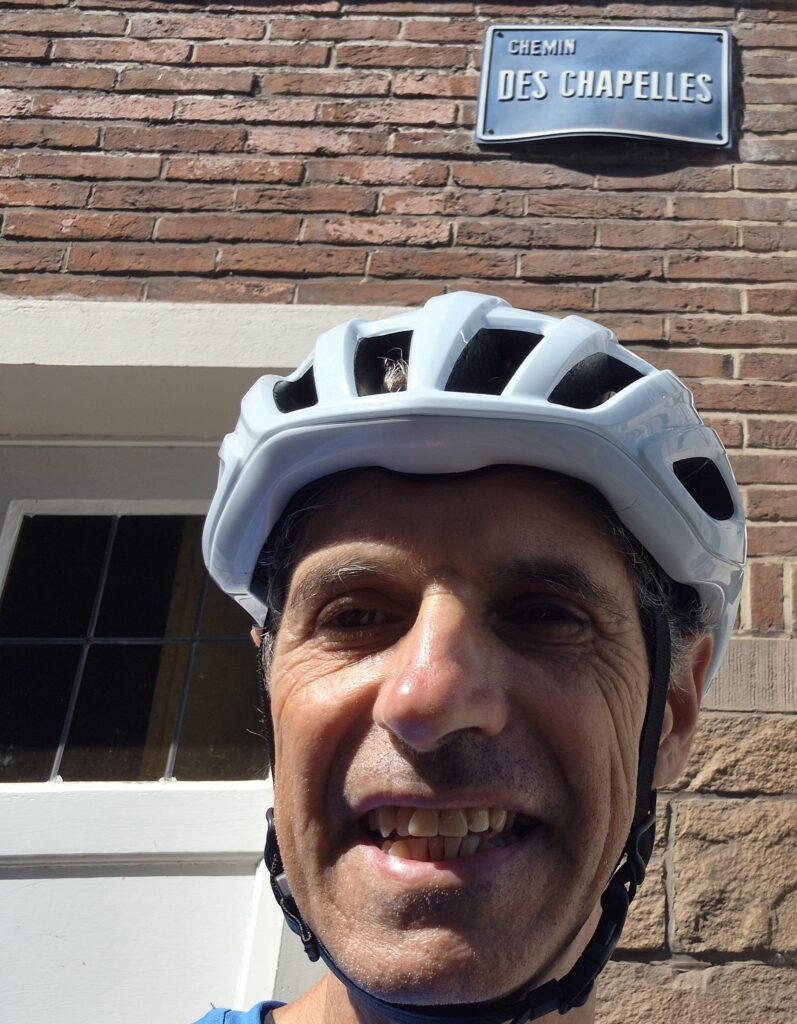
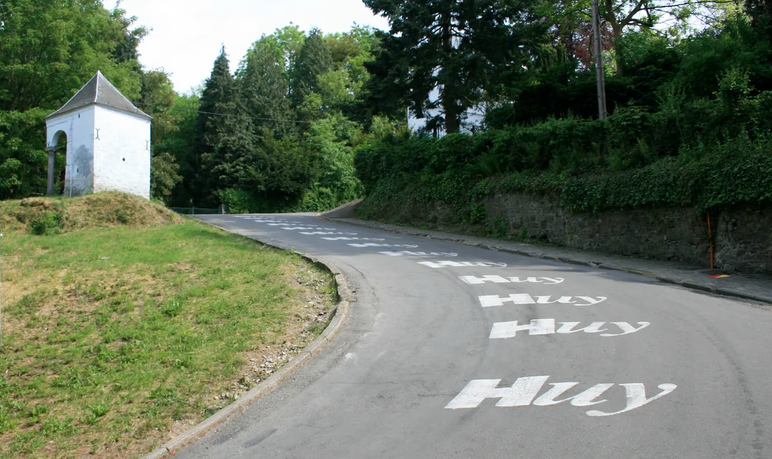
The Mur de Huy (also known as the Chemin des Chapelles) combines extreme gradients, explosive brevity, and the allure of serving as the ultimate arbiter of the Flèche Wallonne.
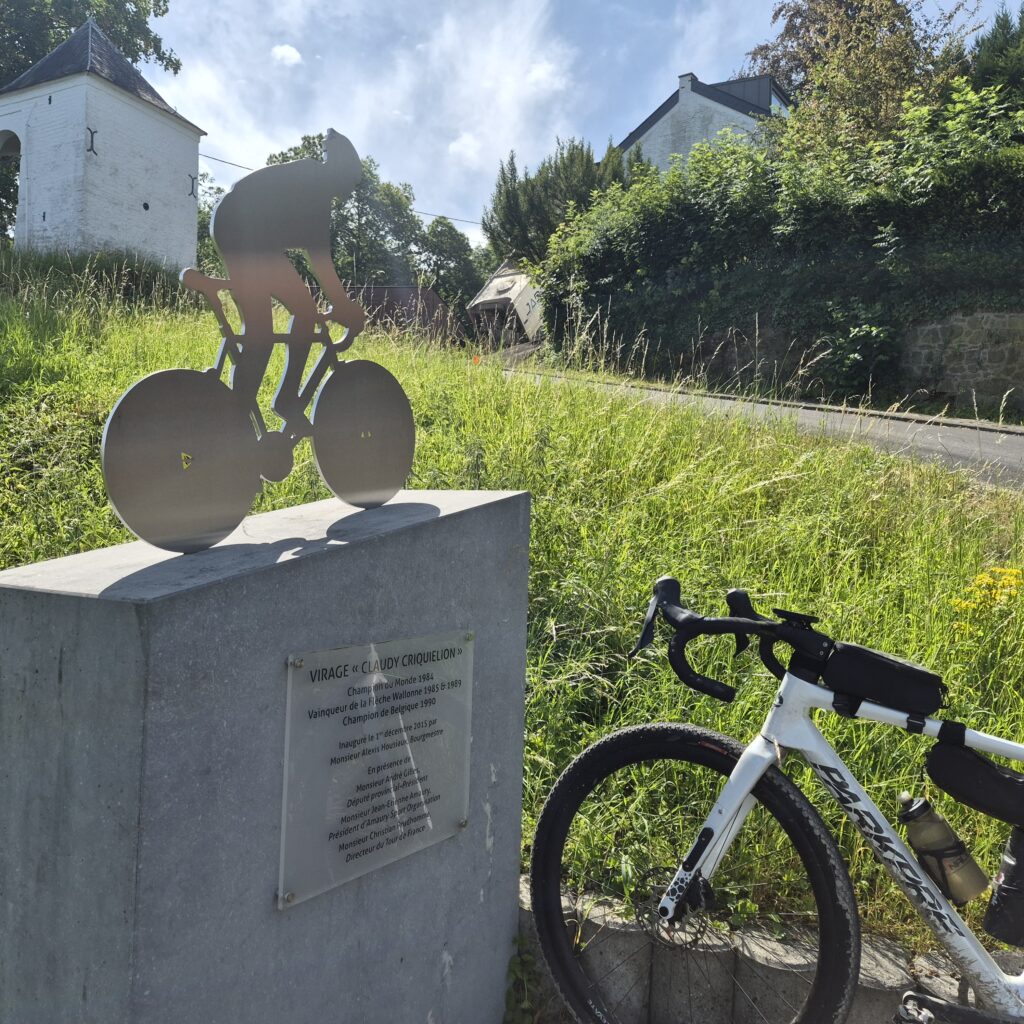
It is a short climb—1,300 meters long with an elevation gain of just 128 meters—yet it boasts an average gradient of 9.6%, rising to 12% over the final 900 meters and peaking at 26% at the bend named after Criquelion (the Virage Criquelion).
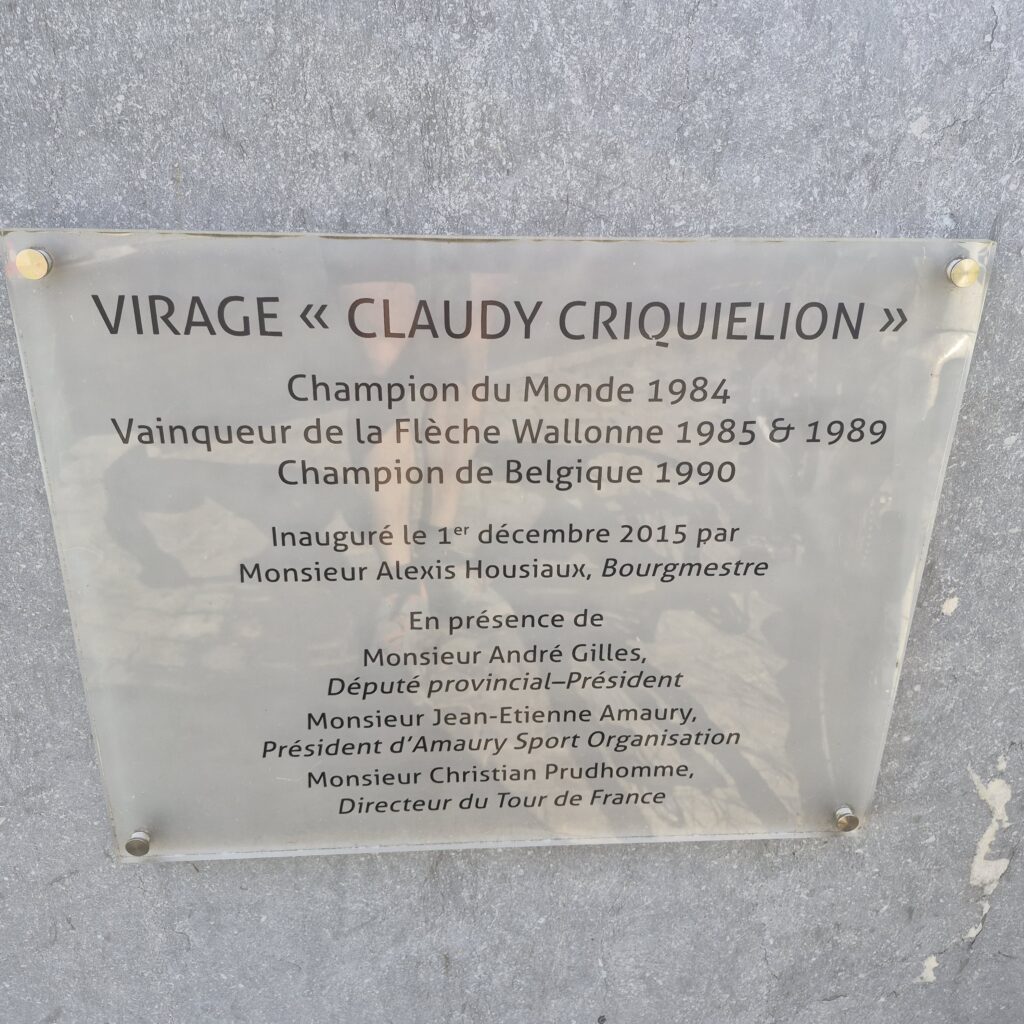
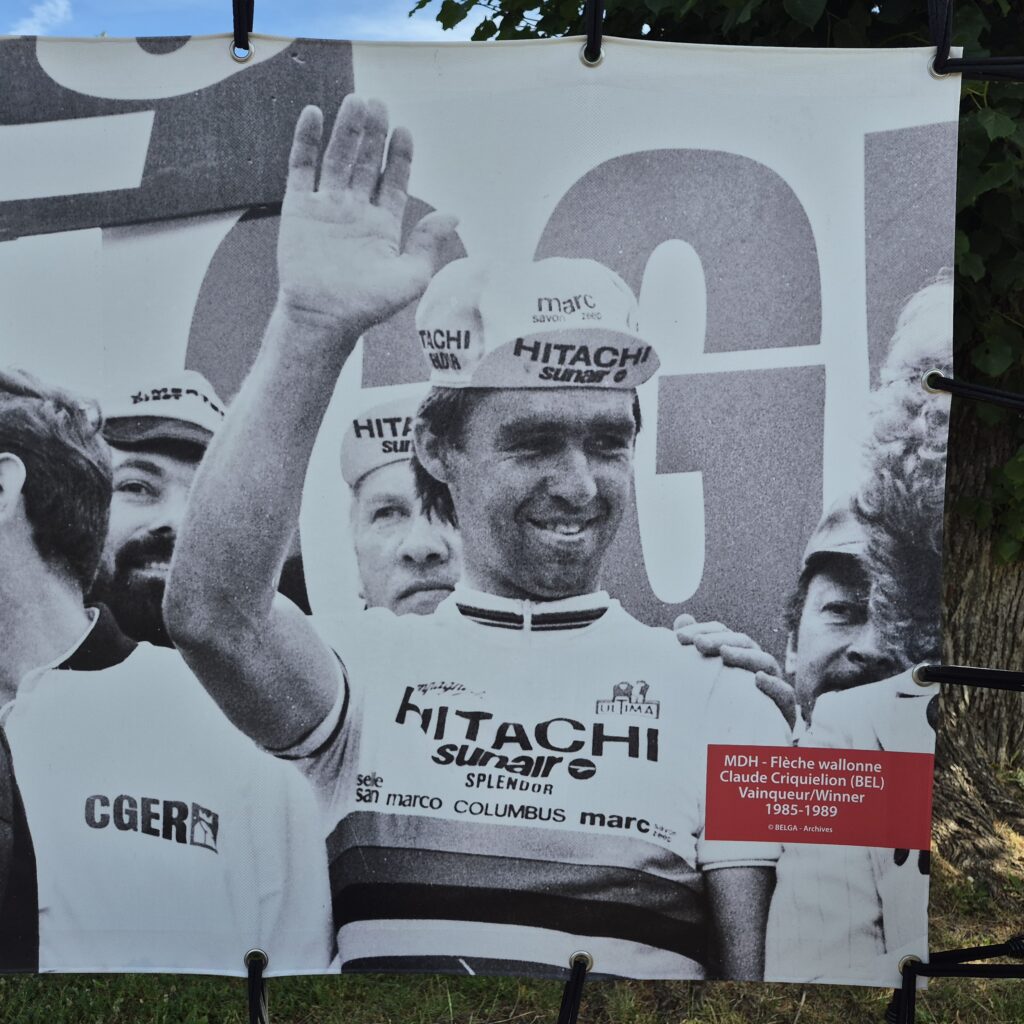
Since 1985, the famous Belgian classic, Flèche Wallonne, has concluded right at its summit. That inaugural edition was won by Criquelion, who was wearing the rainbow jersey as world champion. Criquelion also won the 1989 edition; following his passing in February 2015, the city of Huy officially named the famous S-bend after him on December 1st of that same year, placing a commemorative plaque at the climb’s steepest, most grueling point.
Over the final 400 meters, the packed crowds create a “human corridor” reminiscent of the Stelvio or Alpe d’Huez, yet contained within a tight, vertical space.
This is not a climb for pure mountain specialists or long-distance rouleurs, but rather an infernal, 2-to-3-minute “punchy” ascent where puncheurs and power riders push themselves to the brink of collapse, carefully timing their decisive attacks for the final 300 meters.
It is the stage where legends like Alejandro Valverde (the record-holder with five victories) cemented their status, and where the great names of modern cycling—from Tadej Pogačar to young prodigies—rise to greatness in a truly unique setting.